Top Landscaping Services in La Honda, CA, 94020 | Compare & Call
There are 209 landscaping companies server in La Honda CA

Ramirez Professional Tree Service is a locally owned and operated business serving Hayward, CA, with 12 years of hands-on experience in tree care and landscaping. Founded by a family man dedicated to ...
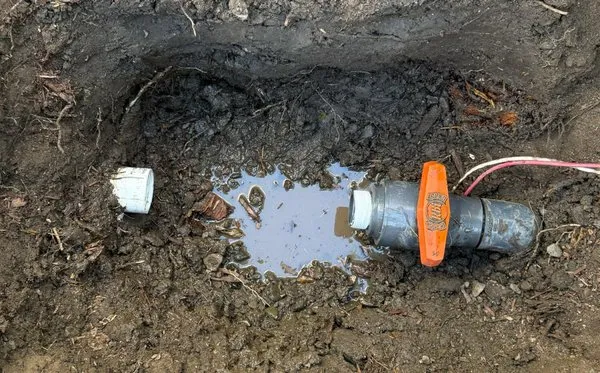
Baylands Landscape Management
For over two decades, Baylands Landscape Management has served as a trusted partner for commercial and residential clients in Santa Clara and the wider Bay Area. Founded by Ruben Oseguera, the company...
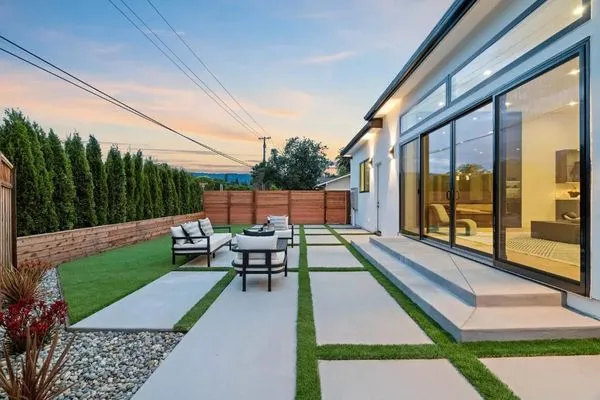
Urban Builders & Remodeling
Urban Builders & Remodeling is a licensed, San Jose-based general contractor founded in 2006. We focus on medium to large-scale residential projects, from comprehensive kitchen and bathroom remodels t...
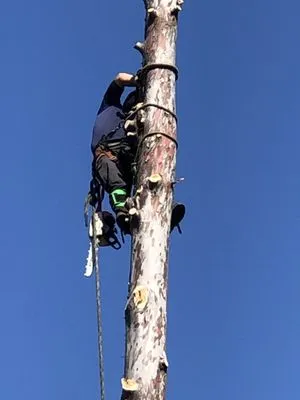
JC Tree Care & Landscape
JC Tree Care & Landscape is a family-owned, licensed arborist service based in Redwood City, serving the Peninsula since 2003. As ISA-certified professionals, our focus is on creating safe, healthy, a...
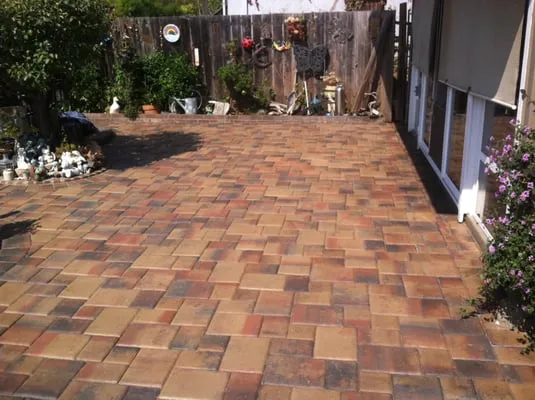
Miguel Dorantes is a trusted local landscaping professional serving Redwood City, CA, and the surrounding communities. Specializing in diagnosing and repairing the specific irrigation and edging issue...
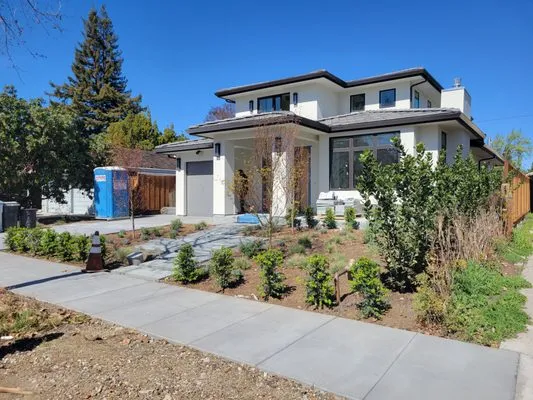
Contractors Central serves La Honda, CA, as a licensed network of general contractors and landscape designers specializing in comprehensive home and outdoor projects. We focus on significant renovatio...
Bonilla’s Landscaping and Service is a full-service landscaping company serving Woodside, CA. We specialize in both hardscape and softscape solutions, from irrigation systems and retaining walls to tr...
Lasaga Landscape is a La Honda-based landscaping company dedicated to solving common local yard problems like dry lawn patches and poor lawn grading. Serving the La Honda community, we provide expert ...
Junior's Landscaping is your trusted local partner for creating and maintaining beautiful, resilient outdoor spaces in Palo Alto. We understand the specific challenges homeowners face, from lawn droug...
Estimated Landscaping Service Costs in La Honda, CA
Questions and Answers
We have significant runoff and erosion on our sloped lot. What's a durable solution?
High erosion potential on La Honda's steep slopes requires managing surface flow. The acidic sandy loam has low cohesion, so installing permeable decomposed granite pathways and patios increases ground absorption. This hardscape material meets San Mateo County runoff standards by reducing velocity and filtering water into the subsoil, effectively mitigating sheet erosion and protecting downstream areas from sediment discharge.
A storm caused a tree to fall, blocking our driveway. What's your emergency response protocol?
For emergency cleanup in La Honda, our crew is dispatched from the La Honda Country Store area. We travel CA-84 (La Honda Road), with a standard storm response window of 45-60 minutes during peak conditions. Our fleet is equipped with electric chainsaws and chippers to comply with county noise limits, allowing us to work within restricted hours to clear hazards and secure the site safely and efficiently.
We've spotted invasive English Ivy and Himalayan Blackberry. How should we handle it?
Invasive species like these outcompete natives and increase fire fuel. Manual removal is the first line of defense. For follow-up treatment, use a targeted, herbicide-free approach such as concentrated horticultural vinegar during dry periods, strictly adhering to the Regional Water Quality Control Board's discharge restrictions. Avoid any soil amendments or treatments during seasonal blackout dates to prevent nutrient runoff into local watersheds.
We want to reduce maintenance and noise. What's the best long-term approach?
Transitioning to a landscape anchored by natives like California Huckleberry, Western Sword Fern, and Coast Redwood understory dramatically reduces upkeep. These plants are adapted to local rainfall and require no supplemental water once established, eliminating the need for frequent mowing. This shift inherently complies with upcoming gas-powered leaf blower restrictions, as these plantings generate minimal debris and support a quiet, electric maintenance regimen.
How can we keep our landscape healthy with the current water restrictions?
Under Stage 1 voluntary conservation, precision is key. A smart Wi-Fi ET-based drip system is essential, as it schedules irrigation based on real-time evapotranspiration data from local weather stations. For a Fine Fescue or native meadow mix, this technology applies water directly to the root zone only when needed, often reducing usage by 30-50% compared to traditional sprinklers while maintaining plant health within municipal guidelines.
Our property has older landscaping and the soil seems tired. Is this just an age issue?
Properties in La Honda Village, often developed around 1945, have soils with an 80-year history of use. The native acidic sandy loam likely suffers from severe compaction, which restricts root growth and water infiltration. This condition is common in established lots and directly reduces soil percolation. Core aeration followed by incorporating 2-3 inches of composted organic matter is the foundational step to rebuild soil structure and microbial activity.
Is decomposed granite a better choice than wood decking for our fire-prone area?
In a Very High Fire Hazard Severity Zone, non-combustible materials are critical for defensible space. Permeable decomposed granite is a superior choice to wood, as it provides a stable, fire-resistant surface that will not ignite. It also maintains the required ember-resistant zone around structures without contributing to fuel loads, while offering better longevity and drainage than wooden structures which require constant fire-retardant treatment.
What permits and credentials are needed for regrading and new landscaping on our acreage?
For any significant grading or earthwork on a 1.5-acre lot, you must engage a contractor holding a C-27 Landscaping license from the CSLB. The San Mateo County Planning & Building Department will require a permit for projects altering drainage patterns or moving over 50 cubic yards of soil, especially on slopes. This ensures compliance with erosion control and septic setback regulations, protecting both your property and the surrounding ecosystem.
