Top Landscaping Services in Joshua Tree, CA, 92252 | Compare & Call


Fuentes Landscaping is your trusted local partner for keeping your Joshua Tree property beautiful and functional. We understand the unique desert landscape, where issues like rock garden shifting and ...
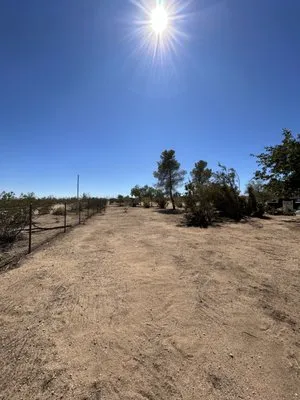
Mojave Landscaping
Mojave Landscaping serves Joshua Tree, CA, and the surrounding desert communities with comprehensive landscaping, construction, and disposal services. Our team specializes in creating and maintaining ...
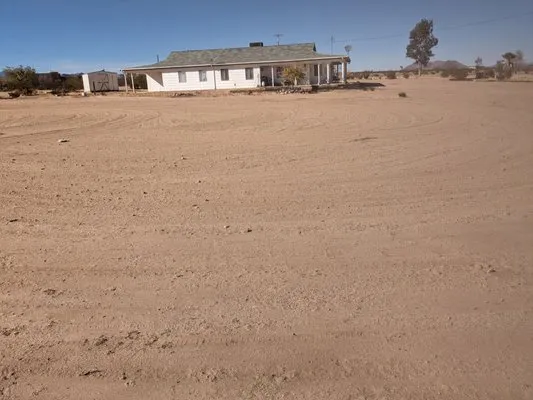
Yucca Landscaping is a trusted local landscaping company serving Joshua Tree, CA, specializing in comprehensive outdoor solutions. We address common local challenges like mulch erosion and tree root d...
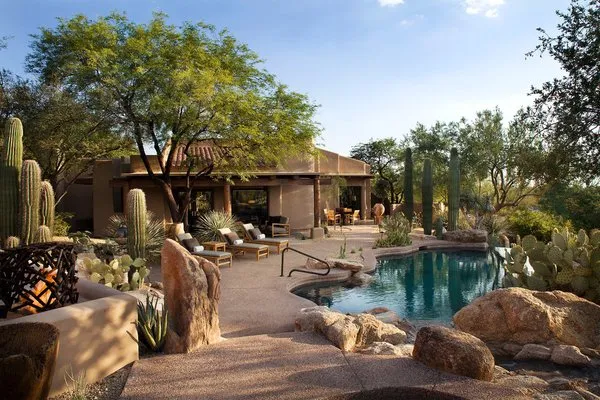
Zenscapes Landscaping is a Joshua Tree, CA-based landscaping and design firm specializing in creating resilient, beautiful outdoor spaces for the unique High Desert environment. Understanding common l...
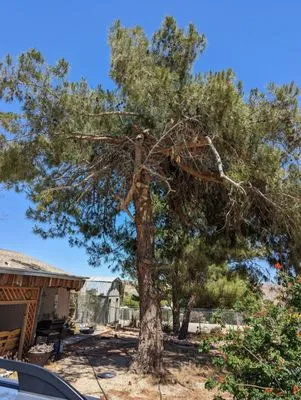
Yucca Landscaping & Handyman Services is a locally owned and operated business serving Joshua Tree, CA and the surrounding Morongo Basin. Founded in 2019 by residents who grew up in the area, we are a...

Serving Joshua Tree, CA, Joshua Tree Landscaping Svcs specializes in creating resilient, beautiful outdoor spaces that thrive in the local climate. A common challenge in our area is landscape slope er...

Moon Scape Landscaping and Hauling is your local Joshua Tree solution for clearing out and cleaning up. We specialize in junk removal, hauling, and comprehensive landscaping services tailored to the u...
Raven Construction & Remodeling is your trusted local partner for resilient landscaping solutions in Joshua Tree, CA. We understand the unique challenges of the high desert, where weed growth and poor...
Question Answers
My property channels water during heavy rains, creating erosion. What's a good solution for this high desert flash flood potential?
Hydrophobic desert pavement and compacted soils common here exacerbate rapid runoff. Installing permeable pathways using Decomposed Granite (Desert Gold) allows water to percolate into the ground, reducing flow velocity and erosion. For significant swales or basins, San Bernardino County Land Use Services may require a grading permit to ensure the design meets runoff management standards and protects downstream properties.
Why does the soil in my Joshua Tree Village yard seem so hard and compacted, even after watering?
Properties developed around 1981 have soils with a 45-year history of disturbance, compaction from construction, and exposure to the elements. The native Calcareous Sandy Loam (pH 8.1) tends to form a hardpan layer, reducing permeability and water infiltration. Core aeration, followed by incorporating a low-volume organic compost, can help mitigate this compaction and improve soil structure without significantly altering the high pH that native plants prefer.
What should I verify before hiring someone to do major grading or earthwork on my 2.5-acre lot?
Any significant grading, drainage alteration, or construction on a 2.5-acre parcel in Joshua Tree typically requires permits from San Bernardino County Land Use Services. You must hire a contractor licensed by the California Contractors State License Board (CSLB) for this work. The CSLB license ensures they carry the necessary bond and insurance, and are qualified to execute plans that meet county codes for erosion control and fire-wise defensible space.
How quickly can a crew respond for emergency debris cleanup after a windstorm to meet HOA compliance?
For urgent compliance or storm response, dispatch from the Joshua Tree National Park West Entrance area via CA-62 allows for a 45-60 minute arrival during peak conditions, accounting for local traffic and road debris. We prioritize electric equipment for immediate use to comply with local noise preferences and begin work upon arrival. This timeline is critical for mitigating fire risk by quickly removing combustible material in this Extreme Fire Wise rated zone.
How can I maintain my native plant xeriscape effectively under the current Stage 2 voluntary water conservation rules?
Stage 2 water budgets are managed efficiently with drip irrigation paired with soil moisture sensors. This system applies water directly to the root zone of approved natives like Desert Willow and Creosote Bush, minimizing evaporation and runoff. The sensors prevent irrigation during or after rain events, ensuring you stay within voluntary limits while supporting deep, drought-resilient root systems essential for survival in Zone 9a.
I've noticed invasive grasses like Red Brome in my native beds. What's the safest way to control them?
Red Brome (Bromus rubens) is a significant fire fuel and competitor with natives. Manual removal before seed set is most effective, avoiding herbicide use that could violate the local recommendation against high-nitrogen synthetic runoff. For larger infestations, targeted, organic-approved treatments applied during cooler morning hours prevent drift and align with safe application practices, preserving the health of your desirable Aridisol soil microbiome.
What are the long-term benefits of replacing any remaining high-water-use plants with full xeriscaping?
Transitioning entirely to a palette of Joshua Tree, Desert Mallow, and other natives eliminates water-intensive maintenance and aligns with evolving regulations. It preempts stricter water budgets and upcoming gas-powered blower restrictions under noise ordinances, as these plants require minimal debris management. This creates a resilient, low-input landscape that supports local biodiversity and requires only electric equipment for upkeep.
Is Decomposed Granite a better choice than wood mulch for patios and pathways in this area?
For defensible space compliance in Extreme Fire Wise Zone 1, non-combustible Decomposed Granite is superior to wood mulch. It provides a stable, permeable surface that withstands intense sun and wind without decomposing or fueling fire. The 'Desert Gold' color blends with the native environment and, when properly compacted, creates a durable surface resistant to erosion from seasonal flash floods.
