Top Landscaping Services in Jones Valley, CA, 96003 | Compare & Call
There are 93 landscaping companies server in Jones Valley CA
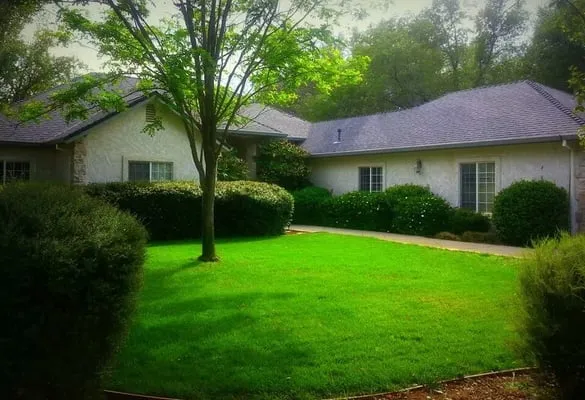
New Vision Landscaping brings over three decades of dedicated service to Redding homeowners, rooted in a legacy that began as Potter's Lawn Service in 1989. Founder Jeff's diverse background—from mana...
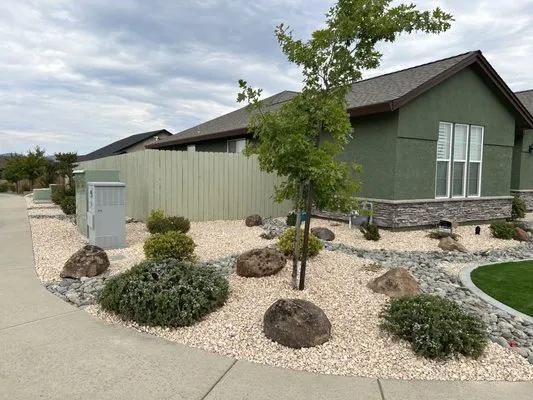
Lassen Design Scape Inc. in Anderson, CA, is a trusted partner for homeowners looking to enhance their property through thoughtful landscaping and hardscaping. We specialize in a full suite of service...
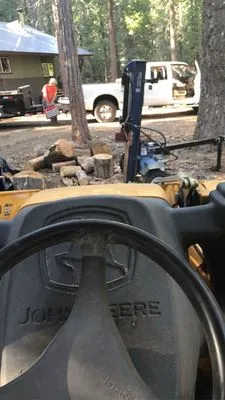
Shasta Tree Service is your trusted local partner for comprehensive tree and landscape care in Redding, CA. We specialize in tree removal, stump grinding, and expert tree care to keep your property sa...
Anything Maintenance in Susanville, CA is a local, community-focused handyman, lawn care, and plumbing service dedicated to providing honest, reliable help for homes and businesses in the Lassen Count...
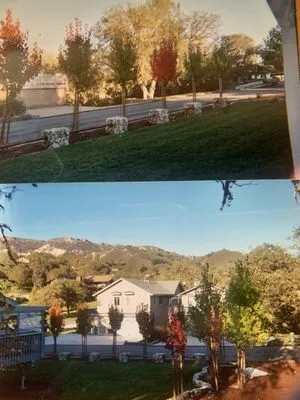
For over two decades, Eagle Landscape has been a trusted partner for Redding homeowners, providing comprehensive outdoor solutions that enhance both beauty and function. We specialize in creating and ...
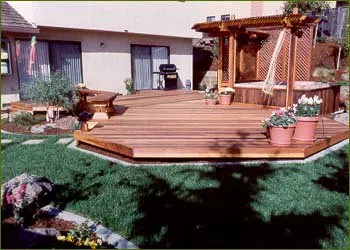
Don's Handyman Service is your trusted local expert in Redding, CA, specializing in comprehensive handyman, landscaping, and irrigation solutions. We understand that many Redding homes face common lan...

A-1 Tree Service & Stump Removal
A-1 Tree Service & Stump Removal is a trusted, full-service tree care provider in Redding, CA, with roots in the community dating back to 2003. Under the ownership of Michael Bertell since 2016, the b...
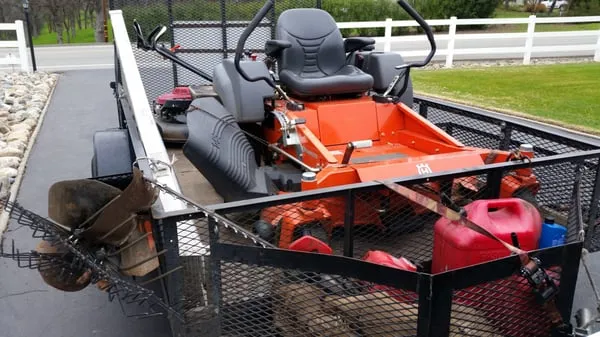
Espinoza's Landscaping Service is a trusted, family-owned provider in Red Bluff, CA, dedicated to solving the common local issues of poor lawn grading and irrigation timer failure. Serving Tehama Coun...
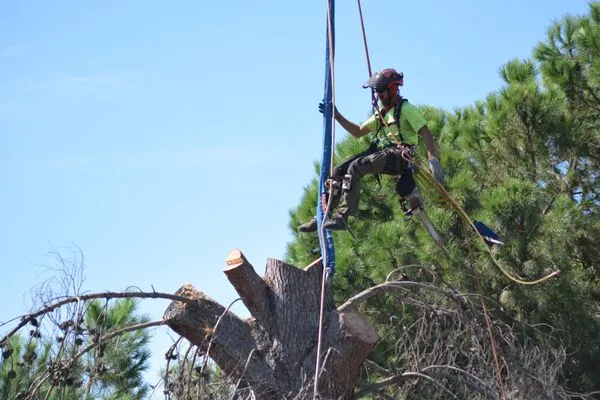
Since 1999, About Trees has been a trusted, locally-owned tree and shrub care provider serving Redding, Chico, and the surrounding North State communities. Our team of certified arborists brings over ...
For 27 years, Environmental Hydroseeding has been the trusted local source for establishing and caring for lawns in Redding. Specializing in hydroseeding since 1998, owner Randy ensures you get a dens...
Estimated Landscaping Service Costs in Jones Valley, CA
Common Questions
Our soil feels hard and nothing grows well. Is this normal for Jones Valley Estates?
Given the average construction date of 1984, your Ultic Haploxeralfs soil has had over 40 years to mature and compact. This type of soil, common in this neighborhood, develops a restrictive layer that impedes root growth and water percolation. The slightly acidic pH (6.2-6.5) is suitable for many plants but the primary issue is physical. Core aeration combined with incorporating composted organic matter is the recommended practice to rebuild soil structure and biological activity.
We need emergency storm debris cleanup to meet HOA compliance deadlines. How quickly can a crew arrive?
For emergency HOA compliance work, dispatch from our staging area near the Jones Valley Boat Launch allows for quick access to CA-299. During peak conditions, the travel time to Jones Valley Estates is 45-60 minutes. Our protocol prioritizes these calls, and crews equipped with electric chippers and loaders—which comply with the 7am-7pm noise ordinance—can mobilize immediately to clear driveways and public sightlines.
Is decomposed granite or wood better for patios and paths in our high-fire-risk area?
Decomposed granite is the definitive choice for Extreme (WUI Zone 3) fire zones. It provides a non-combustible, mineral surface that contributes to the required defensible space. Wood mulches and structures are a significant fuel source. DG's longevity and permeability also outperform wood, which decays and requires replacement. For any hardscape within the defensible space zone, non-flammable materials are a non-negotiable aspect of Firewise compliance.
We want to reduce mowing, gas usage, and noise. What's a good alternative to our traditional lawn?
Transitioning to a native plant landscape featuring Manzanita, California Poppy, Deerbrush, and Western Redbud eliminates the need for bi-weekly mowing and frequent irrigation. This xeriscape approach creates habitat, conserves water, and stays ahead of regulatory trends like gas-blower restrictions. Once established, these plants require minimal maintenance, operate silently with hand tools, and provide superior fire resistance compared to a dry, irrigated turfgrass monoculture.
Water runs straight down our slopes, causing erosion. What's the best way to manage this?
High erosion potential on slopes with Ultic Haploxeralfs soils requires interrupting flow and increasing permeability. Creating a series of shallow, vegetated swales (bioswales) lined with native, deep-rooted plants is more effective than solid barriers. For paths, using decomposed granite as a hardscape material provides a stable, permeable surface that reduces runoff velocity and meets Shasta County Department of Resource Management standards for stormwater management.
We've spotted Yellow Starthistle and Medusahead grass. How do we remove them safely here?
Those are high-priority invasive species that degrade pasture and increase fire risk. Manual removal before seed set is critical. For larger infestations, a targeted, professional-grade herbicide application may be necessary, but it must be planned around strict Nitrogen runoff management protocols from the CA Water Board. Treatment should avoid blackout dates preceding forecasted rain. Promoting dense, competitive native plant cover is the long-term biological control strategy.
We want to regrade our backyard for drainage. What permits and contractor qualifications are needed?
Grading on a 0.50-acre lot in Shasta County typically requires an Erosion and Sediment Control Plan permit from the Department of Resource Management. The contractor must hold a C-27 (Landscaping) or a C-12 (Earthwork and Paving) license from the Contractors State License Board (CSLB). This ensures they are bonded, insured, and legally accountable for managing runoff and slope stability, which is critical given the local soil's high erosion potential.
How can we keep our Tall Fescue lawn alive during Stage 1 water restrictions without wasting water?
Wi-Fi ET-based weather sensing controllers are the precise tool for this. They automatically adjust irrigation runtimes by downloading local evapotranspiration data, applying water only as needed to compensate for atmospheric loss. This technology often reduces water use by 20-30% while maintaining turf health, keeping you well within voluntary conservation guidelines. Deep, infrequent watering cycles programmed through this system encourage deeper root growth, further enhancing drought tolerance.
