Top Landscaping Services in Ivanhoe, CA, 93235 | Compare & Call

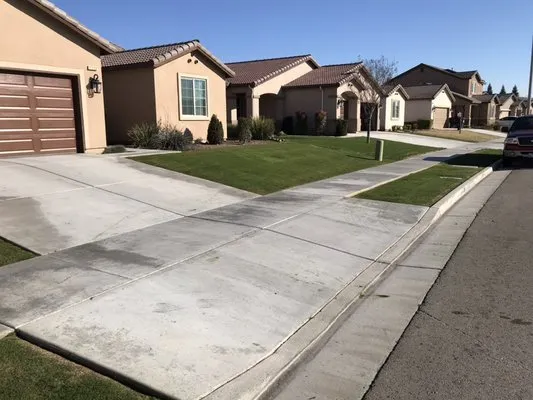
Silva's Landscaping Co. is a family-owned business serving Ivanhoe and the Central Valley since 1990. Founded by Valentin Silva after 15 years of industry experience, the company has grown to include ...
Dos Bros Handy Work
Dos Bros Handy Work is a trusted local handyman and landscaping service based in Ivanhoe, CA, with over 25 years of combined experience in the construction industry. We specialize in drywall installat...
Frequently Asked Questions
What are low-water alternatives to my high-maintenance lawn?
Transitioning to a climate-adaptive landscape with natives like Deergrass, Western Redbud, and California Poppy eliminates weekly mowing and reduces irrigation needs by over 70%. This xeriscaping approach builds biodiversity and soil health. It also future-proofs your property against evolving noise ordinances that may restrict gas-powered blowers, as these plantings require minimal seasonal cleanup with electric equipment.
What permits and licenses are needed to regrade my backyard?
Regrading a 0.22-acre lot typically requires an engineered grading plan and a permit from the Tulare County Resource Management Agency to ensure proper drainage and erosion control. The contractor must hold a C-27 Landscaping license or a C-61/D-12 Earthwork and Paving license from the California Contractors State License Board. This licensing verifies bonding and insurance, protecting you from liability for improper work that could affect neighboring properties.
My yard pools water after rain. What's the best long-term fix?
Moderate runoff is a common issue due to the clay subsoil in San Joaquin Loam. A functional solution involves integrating subsurface French drains with surface grading to direct water away from foundations. Replacing solid concrete with permeable decomposed granite pathways can significantly improve onsite infiltration. These designs often meet the Tulare County Resource Management Agency's standards for managing stormwater runoff on residential lots.
Is decomposed granite or wood better for a new patio?
Decomposed granite is superior for longevity and fire resilience in our Moderate Wildland-Urban Interface zone. Unlike wood, it is non-combustible and contributes to defensible space requirements. As a permeable material, it also mitigates heat island effect and manages runoff more effectively than concrete pavers. With proper compaction and edging, a DG patio requires minimal maintenance and integrates seamlessly with native plantings.
Why does my soil feel so hard, and what can I do about it?
Properties built around 1980 in the Ivanhoe Town Center have approximately 46 years of soil maturity on San Joaquin Loam. This soil type, with its pH of 6.5-7.5, is prone to significant subsoil compaction from decades of traffic and conventional irrigation. The resulting low permeability restricts root growth and water infiltration. Core aeration and the incorporation of 2-3 inches of composted organic matter are critical annual practices to rebuild soil structure and biology.
How can I keep my Tall Fescue healthy under Stage 2 water restrictions?
Effective irrigation under voluntary conservation mandates using evapotranspiration (ET)-based smart controllers. These systems adjust runtime based on local weather data, applying water only when the landscape needs it, which can reduce usage by 20-30%. For Tall Fescue in Zone 9b, this typically means 2-3 deep watering sessions per week during peak season, promoting deeper roots and drought resilience while staying well within municipal guidelines.
How quickly can a crew respond for an urgent HOA compliance cleanup?
An emergency cleanup dispatch can typically be routed from our staging area near Ivanhoe Memorial Park. Using CA-216, the estimated travel time to most Ivanhoe Town Center properties is 20-30 minutes during standard operating hours. For time-sensitive compliance, coordinating arrival before the 7 AM noise ordinance start allows for immediate debris removal and mowing to meet inspection deadlines without disruption.
What invasive weeds should I watch for, and how are they treated?
In Ivanhoe, watch for yellow starthistle and field bindweed, which thrive in disturbed soils. Treatment involves a combination of manual removal before seed set and targeted, organic-compliant herbicidal applications during specific growth phases. All treatments must adhere to the Statewide Urban Water Management Plan nutrient guidelines, avoiding application before forecasted rain to prevent runoff into the watershed.
