Top Landscaping Services in Indian Wells, CA, 92210 | Compare & Call


Ponderiffic Adventures
Ponderiffic Adventures is a licensed landscape construction company serving Indian Wells, CA since 2004. Founded by Edward Brown, a second-generation landscaper with a Master's in Horticulture from Te...

Scape
Scape is a full-service landscaping company serving Indian Wells, CA, specializing in both design and construction. We handle everything from irrigation systems and hardscaping like driveways, patios,...
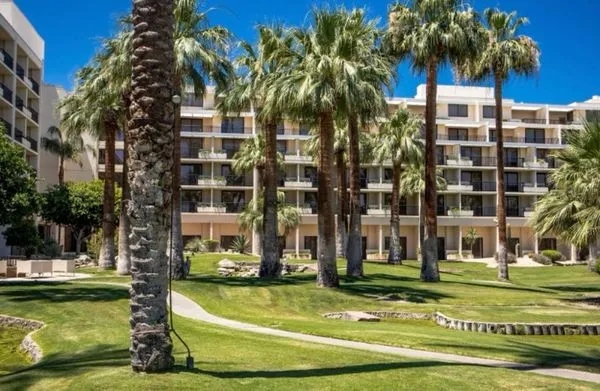
Treestora in Indian Wells, CA, is a local landscaping and tree care business founded by an artist with deep roots in the Coachella Valley community. After years as a professional faux artist painting ...

Valleycrest Landscaping is a trusted, local provider serving the Indian Wells, CA community. We specialize in designing and maintaining landscapes that thrive in our unique desert climate, directly ad...
Frequently Asked Questions
How quickly can a crew respond for emergency storm debris cleanup to avoid HOA fines?
For urgent HOA compliance issues, our peak storm response window is 20-30 minutes from dispatch. A crew routed from the Indian Wells Tennis Garden north via CA-111 can access Indian Wells Country Club Estates efficiently. We maintain an electric-powered maintenance fleet to operate within the city's restricted noise ordinance hours (7 AM to 6 PM for gas equipment), ensuring rapid, compliant service even during early morning emergencies.
Our soil seems hard and doesn't absorb water well. Is this normal for a home built in the late 80s?
Properties in Indian Wells Country Club Estates from the 1989 average build era have over 35 years of soil maturity, but it's often degraded. The prevalent alkaline sandy loam naturally compacts, forming a surface crust that impedes percolation. Decades of irrigation with mineral-rich water can exacerbate soil salinity and sodicity. Core aeration and incorporating composted organic matter are critical to rebuilding soil structure and microbial life for long-term landscape health.
Is decomposed granite better than wood mulch for patio areas in our fire zone?
Yes, stabilized decomposed granite is superior for durability and fire safety. Unlike wood mulch, which is combustible, decomposed granite is a mineral-based, non-flammable material. This is critical for maintaining the defensible space required in Indian Wells' Moderate Fire WUI zone. It also provides excellent permeability, reduces dust, and offers a clean, modern aesthetic that withstands our high UV exposure without degradation or termite risk.
We want to reduce mowing and blower noise. What are our options?
Transitioning to a climate-adaptive xeriscape with native plants significantly reduces maintenance demands and noise. Species like Desert Willow, Brittlebush, and Ocotillo are evolved for this zone, requiring minimal water and no weekly mowing. This shift future-proofs your property against tightening noise ordinances on gas blowers and aligns with 2026 biodiversity goals. It also reduces your water budget, a prudent move under permanent conservation mandates.
What permits and licensing are needed to regrade our half-acre lot?
Grading on a 0.35-acre lot typically requires a permit from the Indian Wells Planning Department to ensure proper drainage and erosion control. The contractor must hold a C-27 Landscaping license or a related classification from the California Contractors State License Board (CSLB). This state licensing is mandatory for any project involving earthmoving over a certain volume, as it guarantees training in structural and hydrological principles, protecting you from liability and substandard work.
With Stage 2 water restrictions, how do we keep our overseeded Bermuda lawn green?
Stage 2 mandates require precise water management. A Wi-Fi ET-based smart controller is essential, as it automatically adjusts schedules using local weather data to apply only the water lost to evapotranspiration. For Tifway 419 Bermuda overseeded with ryegrass, this technology allows for deep, infrequent watering that promotes root depth while staying within allotments. Proper calibration ensures the ryegrass establishes without overwatering the dormant Bermuda base.
We see invasive weeds like fountain grass. How can we treat them safely here?
Invasive species like fountain grass compete with natives and increase fire risk. Treatment must avoid violating the local fertilizer ordinance, which prohibits nitrogen-based runoff into storm drains. A targeted, systemic herbicide applied during the plant's active growth phase is effective. For organic control, manual removal before seed set is crucial. Always coordinate treatments outside of seasonal fertilizer blackout dates to ensure compliance and protect water quality.
Water pools on our property after irrigation. What's the best fix for our soil type?
High runoff and soil crusting are common in alkaline sandy loam due to its low organic content and surface sealing. The solution involves improving permeability. Subsurface French drains or dry wells can capture water, while amending soil with gypsum helps break up crusting. For hardscapes, using stabilized decomposed granite—a permeable material—meets Indian Wells Planning Department runoff standards by allowing water to infiltrate rather than sheet flow.
