Top Landscaping Services in Huntington Park, CA, 90001 | Compare & Call

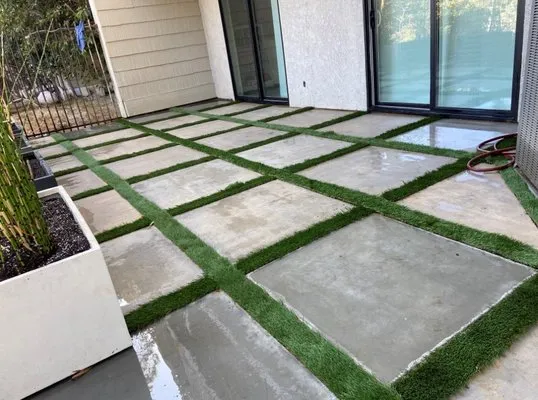
Four Seasons Landscaping
Four Seasons Landscaping has been the trusted landscaping and tree care provider for Huntington Park and the surrounding communities for over 14 years. Our licensed, bonded, and insured team specializ...
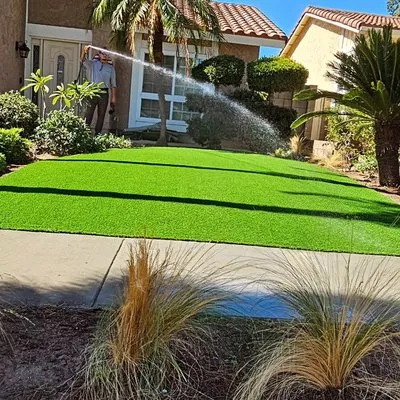
TandScape Landscaping is a family-owned business serving Huntington Park, CA, dedicated to providing quality work with a great attitude for every customer. We believe no job is too small or too big, a...
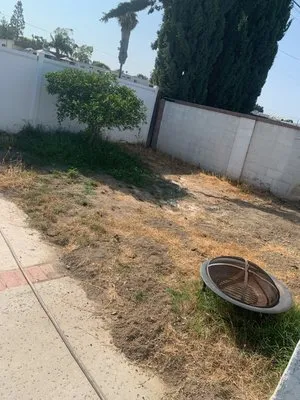
David's Lawn Care and Landscaping is a trusted, locally-owned service provider in Huntington Park, CA, dedicated to keeping neighborhood lawns healthy and vibrant. We understand that a common local is...
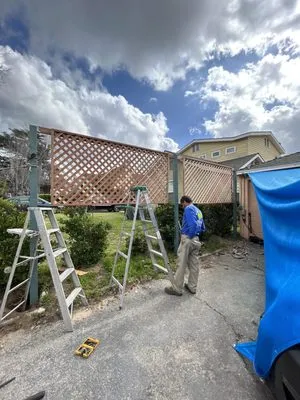
Alejairos Landscaping is a family-owned business serving Huntington Park and the greater Los Angeles area, founded by Jose Gonzalez and now continued by his son, Jairo. We take pride in transforming a...

Jbg Lawn Service is a trusted local lawn care provider serving Huntington Park, CA. We specialize in comprehensive lawn maintenance and landscape solutions tailored to the specific needs of our commun...
Questions and Answers
A storm damaged trees and my HOA requires immediate cleanup. How fast can a crew arrive?
For emergency storm response, a crew can typically be dispatched from our staging area near Salt Lake Park within the hour. The route utilizes the I-710 corridor for direct access to the Huntington Park Residential Core, ensuring an arrival time of 20-30 minutes during peak dispatch windows. All equipment complies with the city's electric-only mandate, allowing work to proceed immediately upon arrival without noise ordinance restrictions. This operational model prioritizes safety and compliance while addressing urgent property damage.
Should I use permeable pavers or wood for a new patio, considering fire safety?
For durability and fire resilience in Huntington Park's Moderate Fire Wise zone, permeable concrete pavers are a superior choice over wood. They provide a non-combustible surface that contributes to defensible space and will not rot, warp, or require chemical treatments. Their permeability also directly addresses local drainage concerns by reducing runoff. While initial cost may be higher, pavers offer a permanent, low-maintenance solution that integrates seamlessly with both water conservation mandates and urban interface safety standards.
How can I keep my TifTuf Bermuda lawn healthy under Stage 2 water restrictions?
Stage 2 restrictions necessitate precision irrigation, which is achievable with Wi-Fi ET-based weather sensing controllers. These systems automatically adjust runtime based on real-time evapotranspiration data, micro-climate, and soil type, applying water only when the lawn actually needs it. For alkaline sandy loam, this technology prevents both underwatering stress and the wasteful runoff common with traditional schedules. Properly calibrated, it maintains turf health within municipal allotments by aligning irrigation directly with plant physiology.
My soil feels hard and drains poorly. What's the issue with lots in the Huntington Park Residential Core?
Homes built around the 1957 average were often constructed on compacted urban fill, a common practice that disrupts natural soil structure. Over nearly 70 years, this alkaline sandy loam has become dense and depleted of organic matter, severely limiting permeability and root growth. To restore soil function, we recommend core aeration followed by amending with compost to introduce biology and improve water infiltration. This process addresses the fundamental compaction issue rather than just treating surface symptoms.
I want to reduce mowing and gas blower noise. What are my options?
Transitioning high-maintenance turf areas to a climate-adapted landscape featuring natives like Cleveland Sage, Toyon, and Desert Mallow significantly reduces mowing and eliminates gas-powered leaf blowing. These plants thrive in Zone 10b with minimal summer irrigation once established, aligning with water conservation goals. This conversion not only stays ahead of the city's electric equipment mandate but also provides critical habitat, supporting local biodiversity far more effectively than a monoculture lawn.
I see invasive weeds taking over. How do I treat them without harming the environment?
Effective invasive species management, such as for common mustards or annual grasses, requires a methodical approach that prevents seed set and avoids soil contamination. Manual removal or targeted spot treatments using organic herbicides are preferred first steps. All applications must be planned carefully to comply with the Regional Water Quality Control Board's MS4 regulations, which strictly prohibit fertilizer or herbicide runoff into storm drains. Building healthy, dense plantings with natives is the best long-term defense against reinfestation.
What do I need to know about permits and licenses for a backyard grading project?
Any significant grading or earthwork on a standard 0.12-acre lot typically requires a permit from the Huntington Park Planning & Building Department to ensure proper drainage and compliance with codes. The contractor must hold a valid C-27 Landscaping license from the California Contractors State License Board, and potentially a C-12 Earthwork license if moving over 50 cubic yards of material. Hiring a licensed professional is non-negotiable; it guarantees that the work meets structural and environmental standards, protecting your property from liability and future issues.
My yard floods during heavy rain. What's a lasting solution for this high-runoff area?
Flooding is a direct result of the high runoff from compacted urban fill, a prevalent condition in Huntington Park. The solution involves improving site permeability through strategic grading and the installation of permeable concrete pavers for patios or walkways. These pavers allow stormwater to infiltrate the ground rather than sheeting into the street, which helps meet Huntington Park Planning & Building Department runoff standards. Integrating a dry creek bed or rain garden can further capture and slowly release water, mimicking natural hydrology.
