Top Landscaping Services in Huntington Beach, CA, 90742 | Compare & Call
There are 238 landscaping companies server in Huntington Beach CA
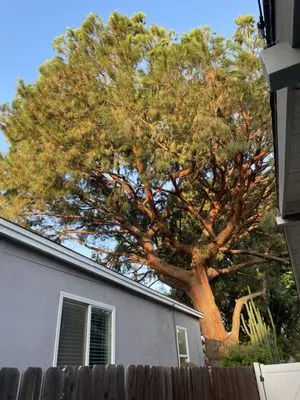
Eli Landscaping is a full-service landscaping company serving Garden Grove and the surrounding Orange County area. We provide comprehensive solutions from initial design to ongoing maintenance, helpin...
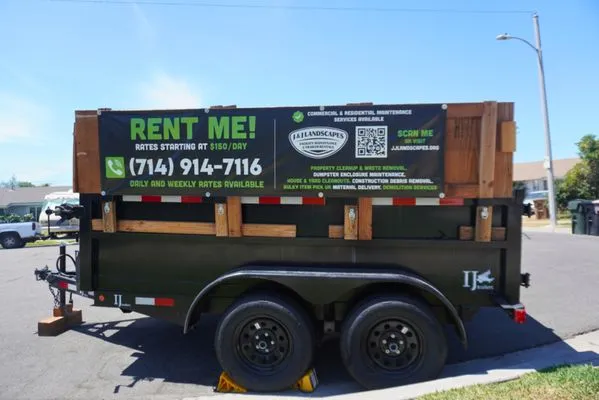
J&J Landscapes is a Garden Grove-based landscaping and property services company owned by Jordan, a lifelong Orange County resident. Founded in 2019 after Jordan identified a need for reliable, skille...
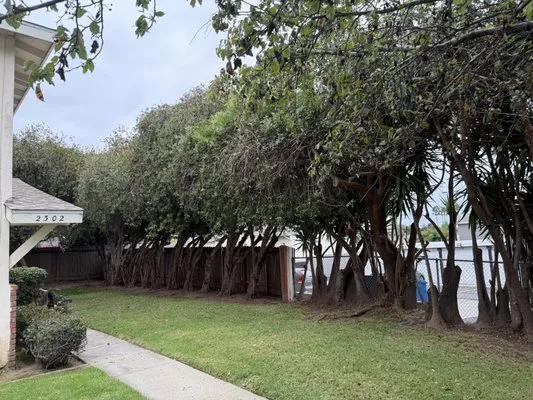
I'm Genaro, the owner of Genaro Landscape, and Huntington Beach is my home as well as the heart of my business. Since 1999, I've been dedicated to serving both residential and commercial clients throu...
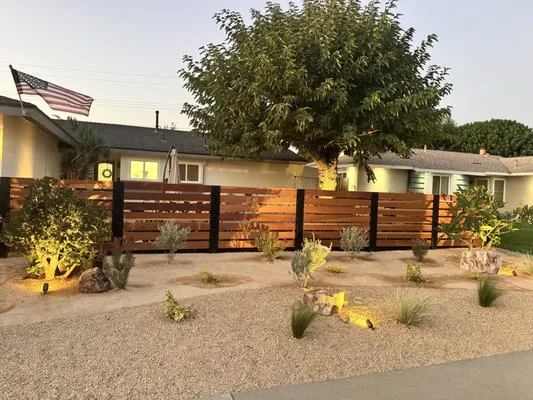
Franco Landscape Inc. is a family-owned outdoor construction firm based in North Tustin, CA. What started as a tree-trimming service has evolved into a comprehensive, licensed contractor specializing ...
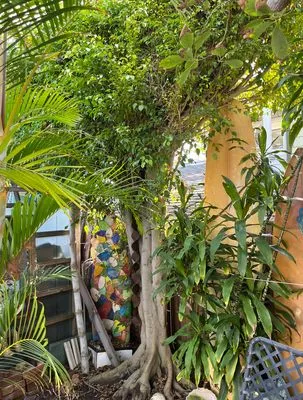
Golden Tree Care is a licensed, full-service provider based in Santa Ana, specializing in tree care, landscaping, and masonry. With years of hands-on experience in Orange County, we understand the spe...
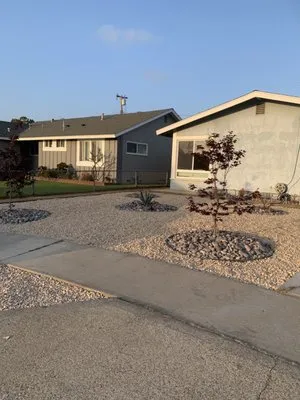
Icon Commercial Landscapes is a trusted, local landscaping partner serving Stanton, CA, and the surrounding commercial sector. We understand the unique challenges of Southern California landscapes, es...
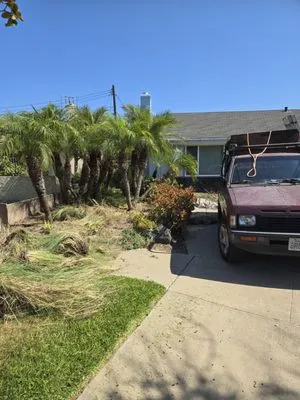
Jesus Landscape has been serving the Irvine community for over 10 years, bringing more than three decades of combined experience to every project. As a full-service landscaping company, we specialize ...
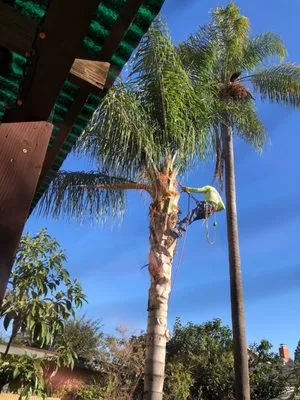
Ortiz Landscape & Tree Care is a fully licensed and insured family-owned business serving Santa Ana and surrounding Orange County communities. Founded on principles of reliability and clear communicat...
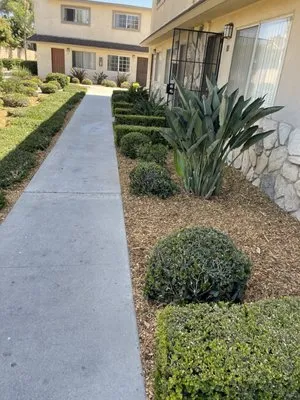
L&E Landscape Solutions, a Costa Mesa-based company with over a decade of local experience, provides comprehensive outdoor services for Orange County residents. Accredited by the Better Business Burea...
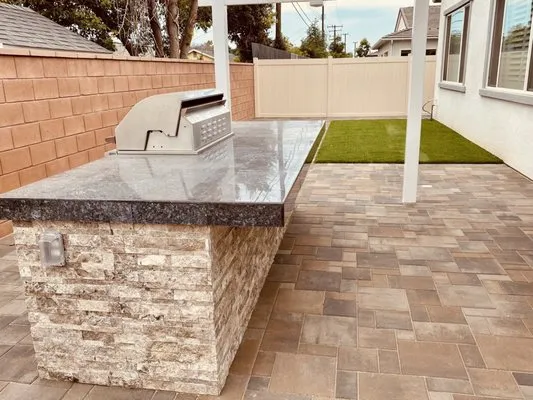
Cypress Landscaping, led by owner Ray Chen, has been beautifying Orange County properties since 1994. As a licensed and bonded California contractor (#691333), we bring over 30 years of hands-on exper...
Estimated Landscaping Service Costs in Huntington Beach, CA
Question Answers
Are permeable pavers better than wood for coastal properties?
Permeable concrete pavers offer 25-30 year lifespans versus wood's 10-15 years in Huntington Beach's saline environment. Their non-combustible nature supports Moderate Fire Wise ratings by creating defensible space around structures. Unlike wood, pavers don't require chemical treatments that could violate runoff standards. Proper installation with jointing sand maintains permeability while preventing weed intrusion in high-use areas.
Can I maintain St. Augustine grass under Stage 1 water restrictions?
Wi-Fi ET-based weather sensing controllers adjust irrigation to actual evapotranspiration rates, reducing water use 20-30% while preserving turf health. These systems integrate with Huntington Beach's voluntary conservation program, scheduling watering during optimal 4-6 AM windows. Properly calibrated smart controllers maintain St. Augustine's 1-inch weekly water requirement without exceeding municipal limits. Regular system audits ensure uniform distribution across 0.15-acre lots.
What solutions address poor infiltration in my sandy loam soil?
Coastal Sandy Loam develops impermeable layers where clay pockets accumulate, creating surface pooling during winter rains. Permeable concrete pavers installed with 4-inch gravel bases achieve 5-8 inch per hour infiltration rates. This exceeds Huntington Beach Community Development Department's runoff standards while reducing salinity buildup. French drain systems with clean washed gravel provide additional subsurface drainage for problem areas.
Why does my Huntington Beach lawn have drainage issues despite regular watering?
Downtown Huntington Beach properties average 53 years of soil development since 1973 construction. Coastal Sandy Loam soil with pH 7.2-7.5 becomes compacted over decades, reducing permeability to 0.5 inches per hour. This compaction creates clay pockets that trap water and increase salinity. Core aeration with 3-4 inch depth and organic amendments like composted bark improve soil structure for better root penetration.
What permits and licenses does grading work require on my lot?
Grading on 0.15-acre Huntington Beach properties requires Huntington Beach Community Development Department permits for any elevation change exceeding 6 inches. Contractors must hold CSLB C-27 Landscaping licenses with grading endorsements for earthmoving over 50 cubic yards. Unlicensed grading risks $5,000+ fines and mandatory restoration orders. Professional licensing ensures proper soil compaction testing and drainage compliance with municipal codes.
How quickly can you respond to storm damage for HOA compliance?
Emergency cleanup crews dispatch from Huntington Beach Pier within 15 minutes of notification. Using I-405 access, electric equipment fleets reach Downtown properties in 20-30 minutes during peak conditions. Our response prioritizes fallen branch removal and drainage system clearing to meet HOA 48-hour compliance windows. All equipment operates within municipal noise ordinances for immediate neighborhood deployment.
How do I control invasive species without violating runoff standards?
Huntington Beach faces persistent threats from Bermuda grass invasion in turf areas and iceplant along coastal zones. Manual removal during dry periods prevents seed dispersal while avoiding Regional Water Quality Control Board fertilizer blackout dates. Spot treatments with EPA-registered herbicides require precise application to prevent urban runoff. Regular monitoring and immediate response to new invasions prove more effective than reactive chemical programs.
Should I replace high-maintenance turf with native plants?
Transitioning to California Poppy, Coast Sunflower, White Sage, and Deergrass reduces water needs by 70-80% compared to St. Augustine turf. These natives require minimal maintenance, eliminating weekly mowing and aligning with electric-only equipment mandates. Established native landscapes provide year-round habitat while surviving on natural rainfall after establishment. This approach future-proofs properties against tightening water regulations and equipment restrictions.
