Top Landscaping Services in Happy Valley, CA, 96007 | Compare & Call
There are 147 landscaping companies server in Happy Valley CA

Anderson Bobcat and Landscape Services is your trusted, full-service landscaping and irrigation partner in Redding, CA. We specialize in transforming outdoor spaces with expert landscape construction,...
Woods Pest Control is a trusted, family-owned business serving Redding and the surrounding communities since 1954. Originally founded by Wesley Woods, the Harmon family purchased the company in 1980 a...
Will’s Landscaping And Handyman Service
Will's Landscaping And Handyman Service is a Redding-based business with deep roots in Shasta County. Since 2016, Will has been providing reliable home and property services, drawing on years of hands...

Londono Lawncare has been a trusted provider of lawn and tree care services in Redding for over five years. We specialize in weekly maintenance programs designed to improve and preserve the health of ...
Based in Redding, CA, Jake Of All Trades is a locally-owned, multi-skilled service provider specializing in auto repair, landscaping, and handyman work. We understand the unique challenges of maintain...
Bobcat Rob in Redding, CA is a locally owned and operated handyman, tree service, and landscaping business run by Robert Milner. With over 40 years of hands-on experience and college-level training, R...
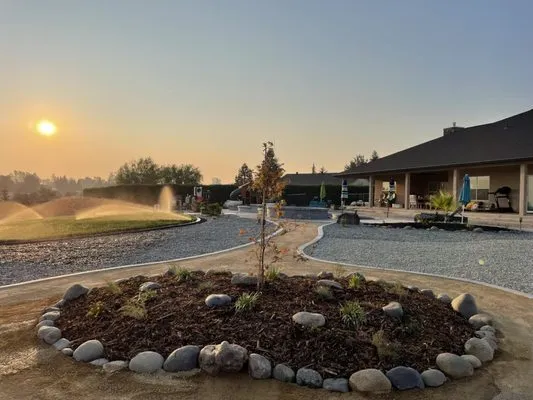
Yard Birds Landscaping & Maintenance
For over a decade, Yard Birds Landscaping & Maintenance has been a trusted name for Redding homeowners and businesses. Founded on the principle of delivering quality, timely service at a fair price, o...
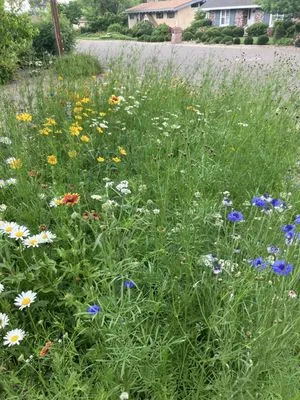
Wynscape Designs
Wynscape Designs is a Redding-based landscaping and irrigation specialist dedicated to creating beautiful, functional, and resilient outdoor spaces for Northern California homeowners. We understand th...
Espinoza Gardening Service has been a trusted presence in Red Bluff for over 30 years, providing comprehensive landscape care to the local community. We specialize in a full range of services from rou...
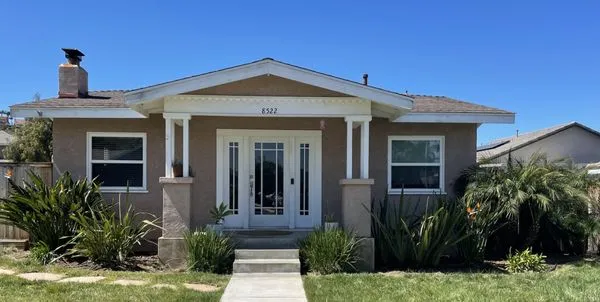
Tree of Righteousness is a locally owned and operated landscaping and tree service company serving Redding and Shasta County. We are fully licensed and insured, providing a comprehensive range of serv...
Estimated Landscaping Service Costs in Happy Valley, CA
Frequently Asked Questions
Water pools in a low corner of my yard every winter—what's a lasting solution?
Moderate ponding in low-lying areas is common where clay pockets exist within the loam soil. A French drain system, daylighting to a safe dispersal area, is the engineered solution. For patios or paths in these zones, using permeable decomposed granite allows water to percolate directly into the subgrade. This integrated approach manages runoff on-site and typically meets the Shasta County Department of Resource Management's standards for new hardscape.
Do I need a permit to regrade my backyard for better drainage?
Regrading a 0.45-acre lot often triggers permit requirements from the Shasta County Department of Resource Management, especially if moving more than 50 cubic yards of earth or altering natural drainage patterns. This work must be performed by a contractor licensed by the California Contractors State License Board (CSLB). The CSLB 'A' (General Engineering) or 'C-27' (Landscaping) license ensures the contractor has the bonding and expertise to execute the plan correctly and assume liability.
I've spotted what looks like Yellow Starthistle—how do I handle it safely?
Yellow Starthistle is a listed invasive species in our region. Manual removal before seed set is most effective for small infestations. For larger areas, a targeted, systemic herbicide applied in the rosette stage is necessary. All chemical applications must follow statewide runoff prevention guidelines, which prohibit treatment within 48 hours of predicted rainfall. A licensed professional will plan the application using CIMIS weather data to ensure compliance and protect watersheds.
Why does the soil in my yard feel so compacted, and what's the best way to improve it?
Properties built around 1981, like many in Happy Valley Estates, have 45-year-old soil profiles. Decades of foot traffic, mowing, and minimal organic input have depleted the native structure of your slightly acidic loam. This has reduced permeability, a primary cause of the seasonal ponding noted in the area. Core aeration followed by an application of compost is the foundational correction, reintroducing pore space and stimulating microbial activity to rebuild soil health.
We have an HOA inspection next week and need an emergency cleanup—how fast can you get here?
Our dispatch prioritizes HOA compliance calls from the Happy Valley Community Center. Crews travel via CA-299, with a standard arrival window of 20-30 minutes during peak periods. We maintain an electric-only fleet for quiet operation, which meets local decibel ordinances. This allows us to perform intensive cleanup, including debris removal and detail edging, without violating neighborhood noise restrictions.
We're adding a patio—is decomposed granite durable, and is it safe for our fire zone?
Decomposed granite, when properly stabilized, forms a highly durable, permeable surface superior to wood for longevity and fire resistance. In Happy Valley's High Fire Wise Rating (WUI Zone 2), creating defensible space is paramount. Non-combustible materials like DG and local basalt pavers are recommended within the critical 0-5' zone of the home. They do not contribute fuel load and maintain the required clearance from flammable vegetation.
How can I keep my Tall Fescue lawn healthy while following the Stage 1 water conservation rules?
Stage 1 voluntary conservation in Happy Valley is best managed with precision. Wi-Fi ET-based controllers, paired with in-ground soil moisture sensors, schedule irrigation only when evapotranspiration data and sensor readings indicate a true deficit. This system applies water directly to the root zone of dwarf Tall Fescue varieties during pre-dawn hours, minimizing loss. It often reduces total water use by 20-30% compared to traditional timer-based systems while maintaining turf vigor.
I want to reduce mowing and water use—what are my options beyond lawn?
Transitioning high-input turf to a climate-adapted landscape is a forward-thinking move. A palette of natives like Deergrass, Manzanita, and California Poppy establishes deeply rooted, low-water plant communities. This shift significantly reduces the weekly mowing and blowing schedule from April to September. It also aligns with the industry transition to electric-only equipment, as these plantings generate less fine debris than traditional lawns.
