Top Landscaping Services in Granite Hills, CA, 92019 | Compare & Call
There are 199 landscaping companies server in Granite Hills CA
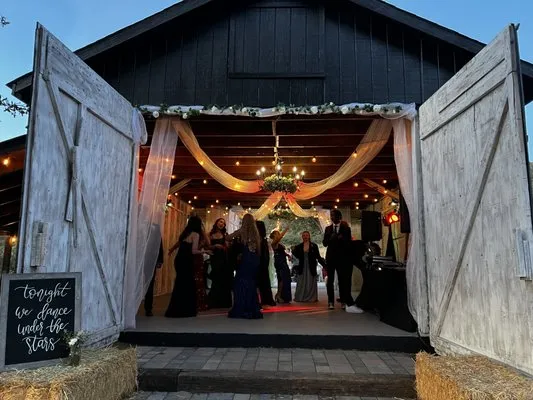
Founded on a passion for transforming outdoor spaces, K5 Landscaping is a family-owned and operated business serving El Cajon with over 30 years of combined expertise. Owner Isaiah brings a contractor...

Meier's Yard Polishing and Landscape is a locally owned and operated landscaping company serving El Cajon and the greater San Diego area. With over 25 years of hands-on experience, we specialize in cr...
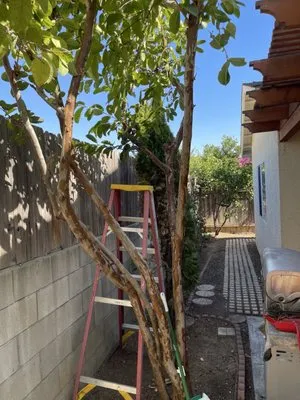
Kniffing's Landscape + Maintenance is a family-owned El Cajon landscaping company with roots in the community dating back to 1980. Specializing in comprehensive care for both residential and commercia...
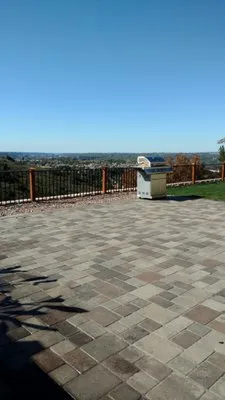
Southern California Landscaping has been a trusted provider of landscaping services in El Cajon and surrounding areas for many years. We specialize in lawn maintenance, vinyl fence installation, tree ...
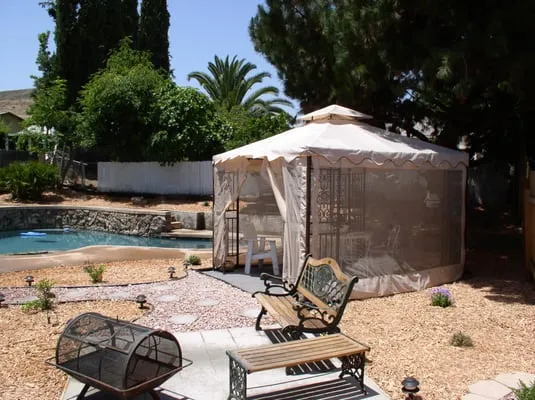
Stillson Landscaping is a Santee-based, family-run business founded in 2002 by local resident Jason Stillson. With over two decades of hands-on experience, Jason's passion for transforming yards start...

Laguna Legacy Landscaping is a trusted local landscaping company serving El Cajon, CA, specializing in landscape maintenance and lawn care. We understand the unique challenges El Cajon homeowners face...
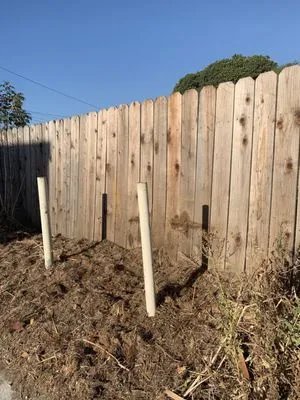
Lopez Tree Care Inc is a family- and Latino-owned tree service serving San Diego County, including El Cajon. Established in 2018 but built on over two decades of hands-on experience, this licensed and...
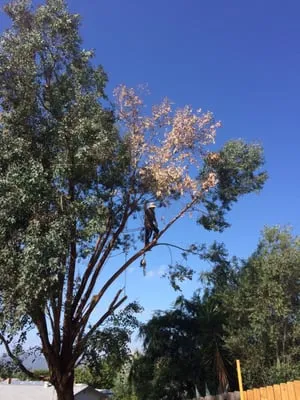
Pierson Tree & Landscaping is a trusted El Cajon-based company providing comprehensive landscaping, tree care, and irrigation solutions for residential and commercial properties. We specialize in land...
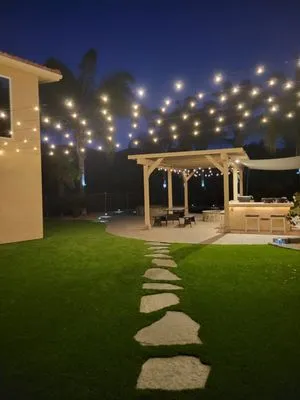
Alejandro Torres, the owner of Torres Landscaping, brings a passion for landscaping rooted in four years of hands-on experience, starting when he was 16 and working alongside his grandfather. Now 20, ...
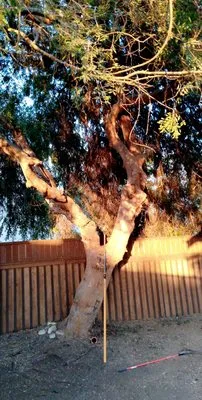
Ace Landscape & Tree Care is your trusted local partner in El Cajon, CA, specializing in comprehensive landscaping and tree services. We help homeowners and businesses address common local issues like...
Estimated Landscaping Service Costs in Granite Hills, CA
Frequently Asked Questions
We want to regrade our backyard. What permits and contractor qualifications are required?
Grading on a 0.55-acre lot in Granite Hills typically requires a permit from San Diego County Planning & Development Services, especially on slopes. The contractor must hold a C-27 Landscaping license or a C-12 Earthwork license from the California Contractors State License Board (CSLB). This ensures they are bonded, insured, and legally qualified to perform earthmoving that affects drainage patterns and structural stability, protecting you from liability and substandard work.
Our yard has always had drainage issues. Could this be related to the original soil conditions when the house was built?
Yes, it is directly related. Lots in Granite Hills Estates, developed in 1967, have nearly 60 years of soil maturation on the original granitic sandy loam subsoil. This soil type is prone to surface compaction, which drastically reduces its permeability and leads to the low infiltration capacity you observe. Core aeration is critical to break up compaction and incorporate organic matter, improving water movement and root penetration for healthier turf and planting beds.
Is there a lower-maintenance alternative to our high-water turf that also reduces fire risk?
Transitioning to a climate-adaptive landscape with natives like California Lilac, White Sage, and Toyon is the definitive solution. These plants require minimal water once established, eliminate weekly mowing, and provide superior habitat. This shift also future-proofs your property against evolving noise ordinances restricting gas equipment. In this Very High Fire Severity Zone, properly spaced natives and decomposed granite mulch create critical defensible space.
We have an HOA compliance deadline for storm debris cleanup. What's your fastest emergency response protocol?
Our emergency dispatch for Granite Hills Estates routes from Granite Hills Park via CA-67, with a confirmed 35-50 minute arrival during peak conditions. The protocol prioritizes a crew equipped with electric blowers and chippers, which comply with the 7 AM start time under local noise ordinances, to clear defensible space and storm debris to HOA standards within a single service window.
We're replacing a wooden deck. What material offers better longevity and fire safety?
In Granite Hills' Very High Fire Severity Zone, non-combustible materials are mandatory for defensible space. Permeable concrete pavers offer superior longevity, requiring no sealing or replacement like wood, and present zero fire risk. When combined with a decomposed granite buffer, this hardscape meets fire-wise landscaping standards for ember resistance and creates a stable, low-maintenance outdoor living area that integrates with the native aesthetic.
How can we keep our St. Augustine lawn alive under Stage 2 water restrictions?
Smart, Wi-Fi ET-based weather sensing controllers are the operational standard for compliance. These systems automatically adjust runtime based on real-time evapotranspiration data, micro-climate, and soil moisture, applying water only when and where the turf needs it. This precision can reduce water use by 20-30% compared to traditional timers, keeping St. Augustine viable within municipal allotments while preventing overwatering on erosion-prone slopes.
Our slope washes out every winter. What's a permanent solution that also meets county codes?
The solution integrates grading and permeable hardscape. First, regrade to create a stable, terraced slope with a shallow swale. Then, install permeable concrete pavers or decomposed granite for any patios or paths; these materials allow stormwater to infiltrate on-site rather than sheeting off. This approach directly addresses the granitic soil's low infiltration and will meet San Diego County Planning & Development Services standards for managing runoff and erosion.
We've spotted invasive grasses and yellow starthistle. How do we treat them without harming the environment?
Targeted mechanical removal is the first line of defense for these invasives. For persistent issues, a selective, post-emergent herbicide applied by a licensed professional during the plant's active growth phase is effective. All applications must strictly follow the Regional Water Quality Control Board's stormwater permit requirements, avoiding blackout dates before forecasted rain to prevent runoff into the watershed. Promoting dense native plantings is the long-term cultural control.
