Top Landscaping Services in Granite Bay, CA, 95650 | Compare & Call
There are 232 landscaping companies server in Granite Bay CA
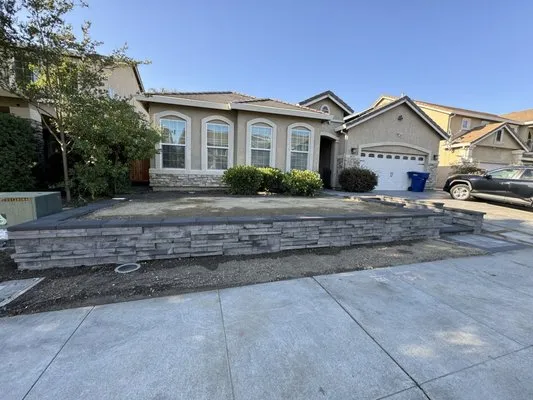
LR Landscaping & Pavers is a family-owned and operated Auburn, CA, contractor founded in 2007. As a fully insured and licensed business, we bring over 15 years of focused expertise in interlocking pav...
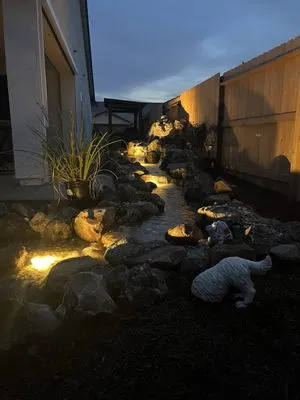
Duran Landscaping is a licensed landscaping and concrete contractor serving Loomis, CA, and surrounding communities like Roseville, Auburn, and Lincoln. With over 34 years of experience, we specialize...
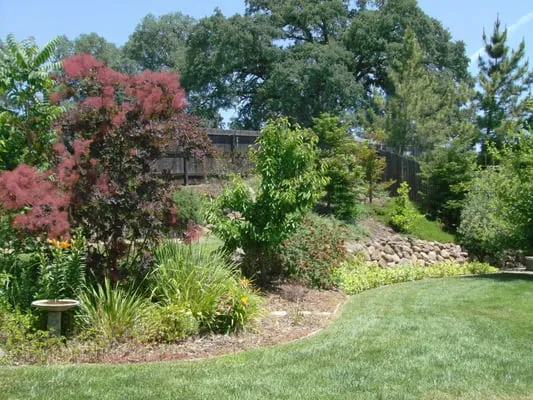
Granite Valley Landscaping is a trusted Roseville-based landscaping company dedicated to solving common local homeowner challenges. We specialize in addressing frequent issues like irrigation timer fa...
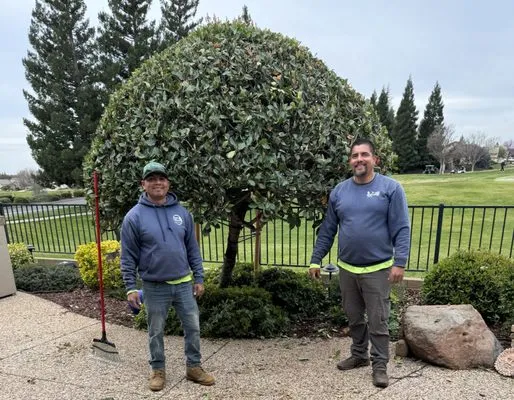
Figs Landscaping
For over five decades, Figs Landscaping has been a trusted name in Loomis, transforming outdoor spaces with thoughtful design and skilled craftsmanship. As a family-run business, we approach each proj...
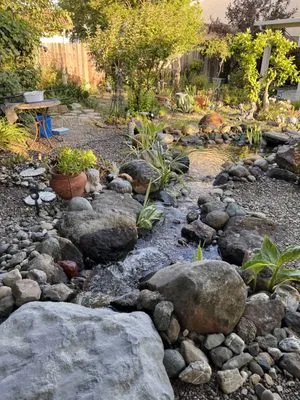
Cornerstone Ponds and Waterfalls is a licensed landscape construction company serving Orangevale, CA, with over 15 years of specialized experience in decorative ponds, koi ponds, waterfalls, and pond-...
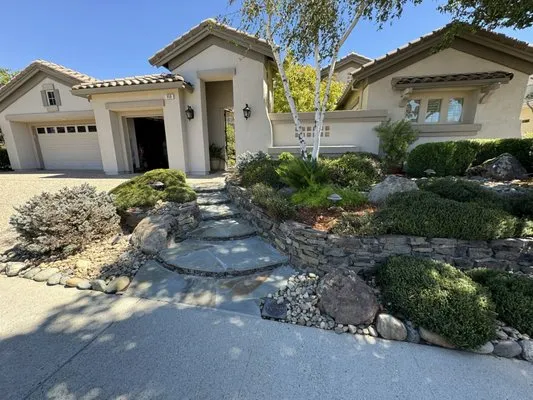
Planting Hope Landscape is a Rocklin-based landscaping and masonry company dedicated to creating sustainable outdoor spaces that thrive in California's dry climate. We specialize in designing and cons...
Holt Landscape
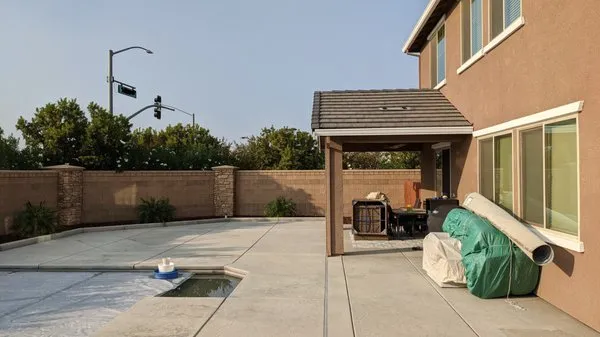
Holt Landscape in Loomis, CA, is a trusted landscape renovation company founded in 2006, bringing over 30 years of industry expertise to the Sacramento region. Owner Gary Holt leverages his deep knowl...
Sprinkler Medic
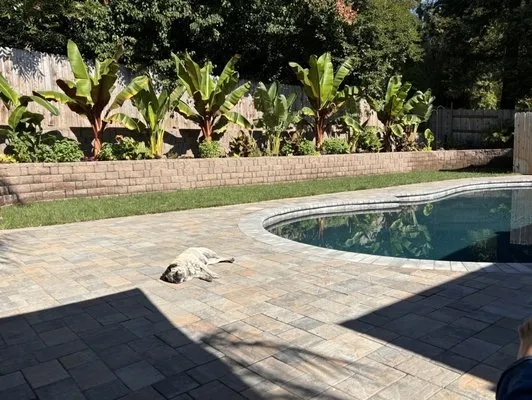
Sprinkler Medic is a licensed, insured, and bonded landscape company serving Loomis, CA, with over 75 years of family-owned expertise. Specializing in irrigation, drainage, and landscaping, we handle ...
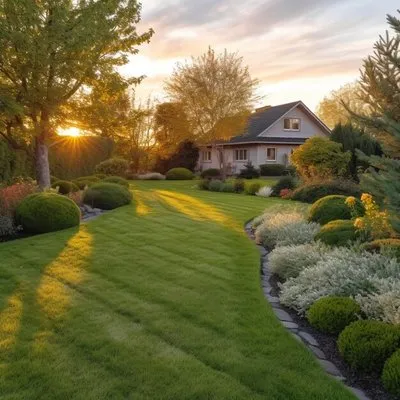
Alvarez Landscaping has been a trusted name in Carmichael since 2010, built on a foundation of integrity and a genuine passion for transforming outdoor spaces. We believe that exceptional landscaping ...
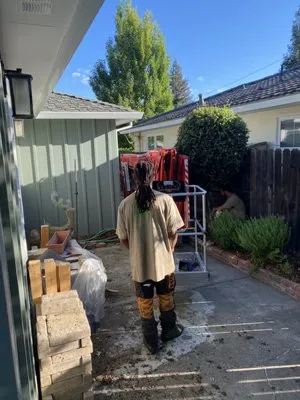
At Capital Arborists Inc in Rocklin, we are more than just a service provider; we are dedicated scholars of the local environment. Our team, comprised of ISA Certified Arborists and Qualified Green Ga...
Estimated Landscaping Service Costs in Granite Bay, CA
Q&A
Are decomposed granite pathways better than wood decking for fire safety?
Decomposed granite and permeable pavers provide superior fire resistance compared to combustible wood materials. In Very High Fire Risk WUI zones like Granite Bay, non-flammable hardscapes contribute to required defensible space around structures. These materials withstand seasonal expansion and contraction better than wood in California's climate extremes. Properly installed decomposed granite pathways also improve drainage while creating firebreaks that slow wildfire spread across 0.50-acre properties.
What permits and licenses are required for grading work on my half-acre lot?
Grading projects exceeding 50 cubic yards on 0.50-acre Granite Bay properties require permits from Placer County Community Development Resource Agency. Contractors must hold C-27 Landscaping or C-12 Earthwork licenses from the California Contractors State License Board. These licenses ensure professionals understand soil stability, erosion control, and drainage requirements specific to acidic clay loam conditions. Unlicensed grading can violate county ordinances and compromise property drainage systems, leading to costly corrections.
How quickly can you respond to an emergency tree cleanup after a storm in Granite Bay?
Emergency storm response from our base near Folsom Lake State Recreation Area typically requires 45-60 minutes during peak conditions. We route via I-80 to access Granite Bay Hills properties efficiently. Our electric maintenance fleet operates within noise ordinance restrictions for gas-powered equipment (8:00 AM - 5:00 PM). For HOA compliance issues requiring immediate attention, we prioritize same-day assessment with proper documentation.
What native plant alternatives reduce maintenance while supporting local ecology?
Replacing high-maintenance turf with California natives like Blue Oak, Western Redbud, and Deergrass creates resilient landscapes requiring minimal inputs. These species have evolved for Granite Bay's acidic clay loam and Zone 9b climate, needing less water and no chemical fertilizers. Native plantings support pollinators while reducing gas-powered blower use ahead of tightening noise ordinances. California Poppy and Toyon provide seasonal interest with virtually no maintenance beyond annual pruning.
How can I maintain Tall Fescue turf during Stage 2 water restrictions in Granite Bay?
Wi-Fi ET-based weather sensing controllers calculate actual evapotranspiration rates to deliver precise irrigation volumes. These smart systems adjust watering schedules based on real-time weather data, reducing water use by 20-30% compared to traditional timers. For Dwarf Type Tall Fescue in USDA Zone 9b, deep infrequent watering encourages deeper root systems. This approach maintains turf health while staying within municipal conservation guidelines during voluntary restrictions.
What solutions address the persistent runoff problems in my Granite Bay yard?
Acidic clay loam soils in Granite Bay have naturally low permeability, exacerbated by shallow hardpan layers that create high runoff conditions. Installing permeable pavers or decomposed granite pathways allows water infiltration rather than surface flow. These materials meet Placer County Community Development Resource Agency standards for stormwater management. French drains or dry creek beds can redirect excess water while improving soil moisture distribution across the property.
Why does my Granite Bay Hills yard have such compacted soil that won't drain properly?
Granite Bay Hills properties built around 1986 have 40-year-old soil profiles that have settled into acidic clay loam with pH 5.5-6.5. Decades of foot traffic and equipment compaction have reduced soil percolation rates significantly. The shallow hardpan layer common in this neighborhood restricts root development and water infiltration. Core aeration with organic amendments like composted bark or leaf mold can improve soil structure and permeability.
How do I manage invasive species without violating fertilizer regulations?
Common invasive alerts in Granite Bay include French broom, yellow starthistle, and tree-of-heaven that outcompete natives. Mechanical removal during dry periods prevents seed spread without chemical treatments. The Regional Water Quality Control Board Nutrient Management Guidelines restrict fertilizer application timing to protect watersheds. For persistent invasives, targeted spot treatments with organic herbicides can be applied outside blackout dates, followed by native plant restoration to prevent reinfestation.
