Top Landscaping Services in Goleta, CA, 93106 | Compare & Call
There are 185 landscaping companies server in Goleta CA
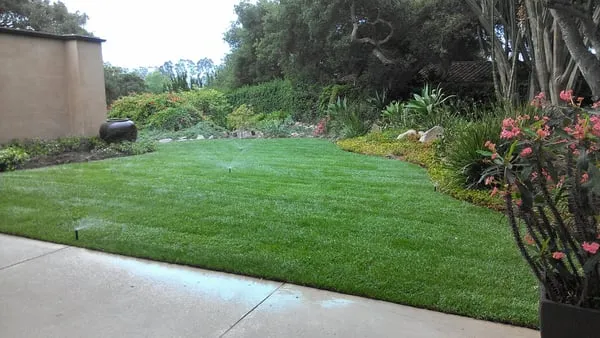
South Coast Landscape has been serving Santa Barbara County since 1976, providing comprehensive landscape services for both residential and commercial properties. Owner Brian Norton brings over 19 yea...
Chencho Professional Landscaping is a trusted local landscaping company serving Goleta, CA, dedicated to solving common residential landscaping challenges. We specialize in addressing issues like tree...

Holy Roller Handy Man Service is a family-owned, faith-based handyman company serving Santa Maria, CA. Founded by a tradesperson who learned his skills to provide for his family, the business operates...
American Riviera Gardens is a licensed landscaping service in Goleta, CA, with over 20 years of experience serving the Santa Barbara area. Specializing in garden design, landscape maintenance, and org...
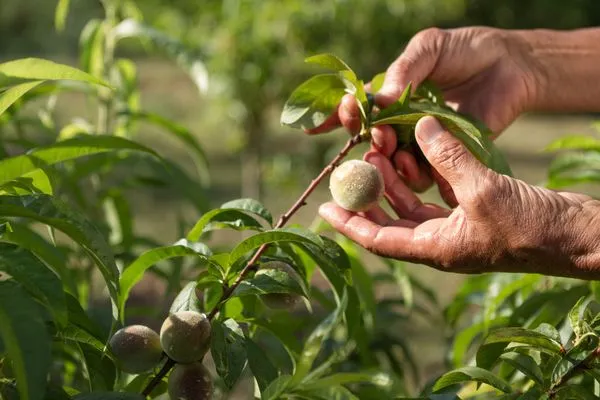
Rico's Organics has been serving the Malibu and Santa Barbara communities for over 15 years, specializing in organic landscape and gardening services. We create our own nutrient-rich compost using fre...
Barron's Gardening is a trusted local lawn and garden service based in Santa Barbara, CA. We specialize in resolving the common landscaping issues faced by homeowners in our community, such as broken ...
Vista Tree Service is a trusted Santa Barbara landscaping company dedicated to enhancing and maintaining the natural beauty of local properties. We specialize in comprehensive tree care, shrub managem...

Ocean Garden Care in Carpinteria, CA, is a gardening and landscaping business dedicated to creating beautiful, sustainable outdoor spaces that enhance the well-being of local homeowners. Our mission i...
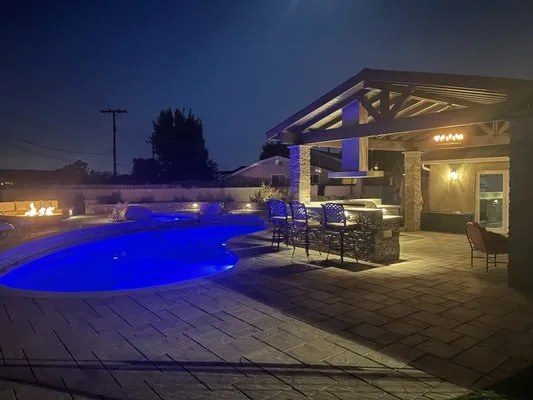
Scarlett's Landscape
Scarlett's Landscape is a family-owned design and build company serving Santa Barbara, Ventura County, and West LA County. Founded by Tom Scarlett over 30 years ago and now co-owned by his son Jeremy—...
Humberto Lawn Care is a trusted lawn service provider in Santa Barbara, CA, specializing in comprehensive lawn care to keep your outdoor space healthy and vibrant. We understand the unique challenges ...
Estimated Landscaping Service Costs in Goleta, CA
FAQs
How quickly can you respond to storm damage for HOA compliance?
Emergency cleanup crews dispatch from the Goleta Valley Community Center via US-101, arriving within 20-30 minutes during peak response windows. Our electric maintenance fleet bypasses gas-powered equipment restrictions while providing immediate debris removal and safety assessments. We prioritize fallen branches, blocked drainage paths, and compromised hardscape elements that violate HOA standards. Documentation for insurance claims accompanies all emergency service reports.
What permits and licenses are required for grading my property?
Grading work on 0.15-acre lots requires City of Goleta Planning and Environmental Review permits for any excavation exceeding 50 cubic yards or slope modifications. Contractors must hold active California Contractors State License Board C-27 landscaping classification with grading endorsement. Projects affecting drainage patterns or tree protection zones need additional environmental review. Unlicensed grading operations risk significant fines and may void property insurance coverage during storm events.
Are permeable pavers better than wood for fire-resistant landscaping?
Permeable concrete pavers provide superior fire resistance compared to wood decking, creating essential defensible space in Moderate WUI Buffer Zones. These non-combustible materials maintain structural integrity during fire events while allowing proper water infiltration. Their 30+ year lifespan exceeds wood alternatives that require regular treatment and replacement. Strategic placement creates firebreaks that slow fire spread while meeting aesthetic and functional landscape requirements.
Can I maintain healthy turf while following water restrictions?
Wi-Fi ET-based weather sensing irrigation systems automatically adjust watering schedules using real-time evapotranspiration data from local weather stations. These systems reduce water usage by 25-40% while preserving dwarf tall fescue turf health during Stage 1 voluntary conservation periods. Programming separate zones for turf versus native plantings optimizes water distribution according to each plant type's specific needs. Monthly system audits ensure no runoff occurs during irrigation cycles.
Should I replace high-maintenance turf with native plants?
Transitioning to California poppy, coast live oak, white sage, toyon, and deergrass reduces water consumption by 70-80% compared to traditional turf. These native species require minimal maintenance, eliminating the need for gas-powered equipment banned under current noise ordinances. Established native landscapes provide superior habitat value while requiring only seasonal pruning and natural mulch replenishment. The transition typically pays for itself within 3-5 years through reduced water and maintenance costs.
Why does my Goleta soil seem compacted and unproductive?
Old Town Goleta properties built around 1969 have 57-year-old soil profiles that have settled into fine sandy loam with pH 7.2. This alkaline soil develops clay-pan layers that restrict root growth and water infiltration. Core aeration with organic compost amendments improves soil structure by increasing microbial activity and nutrient availability. Regular soil testing every 3-5 years helps maintain optimal conditions for plant health in this established neighborhood.
What solutions exist for persistent runoff issues in my yard?
Moderate runoff problems in fine sandy loam soils typically stem from clay-pan subsurface layers that impede natural percolation. Installing permeable concrete pavers with aggregate bases creates infiltration basins that meet City of Goleta Planning and Environmental Review runoff standards. French drains connected to dry wells provide additional subsurface drainage capacity during heavy rain events. Proper grading with 2% slope away from structures prevents water accumulation near foundations.
How do I manage invasive species without chemical runoff?
Common invasive alerts include yellow starthistle, tree tobacco, and pampas grass that threaten native ecosystems. Manual removal during dormant seasons prevents seed dispersal while avoiding Regional Water Quality Control Board MS4 compliance issues. Solarization with clear plastic sheeting during summer months creates soil temperatures that eliminate weed seeds without chemicals. Applying organic pre-emergents like corn gluten meal during late February peak mulching season provides natural suppression without violating fertilizer ordinance restrictions.
