Top Landscaping Services in Glendora, CA, 91702 | Compare & Call
There are 229 landscaping companies server in Glendora CA
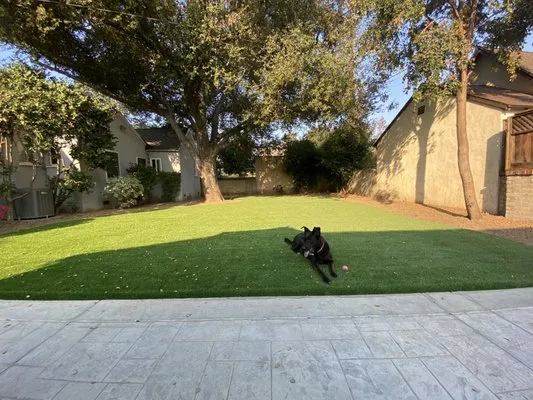
Haney's Landscape Maintenance is a trusted, local landscaping company serving Covina, CA, and the surrounding San Gabriel Valley. We understand the unique challenges Covina homeowners face, particular...
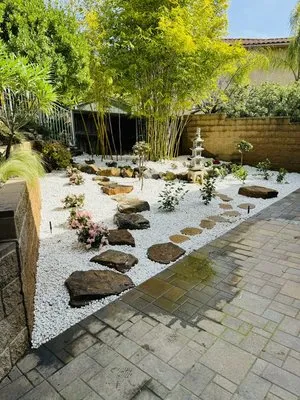
Fernando Gardening Service provides professional landscaping and gardening solutions to Covina homeowners. We specialize in addressing common local issues like tree root damage to lawns and dead turf ...
Treat's Landscaping is a trusted, locally-owned landscaping company serving Covina, CA, and the surrounding San Gabriel Valley. We specialize in addressing the common local challenges of landscape slo...
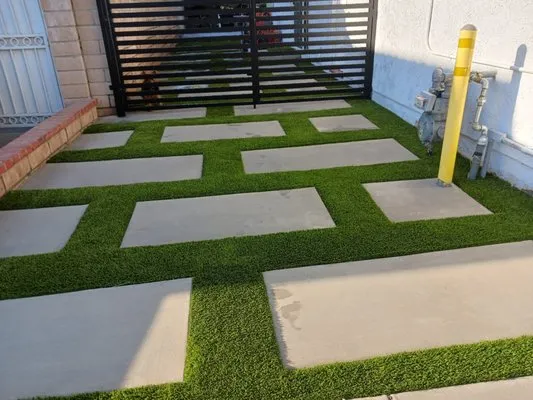
Magnolia Landscaping is a Glendora-based landscaping and masonry company serving residential and commercial clients throughout the local area. We specialize in comprehensive outdoor solutions, includi...
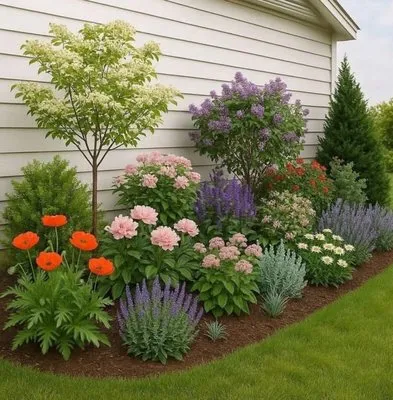
Armstrong Landscaping is a full-service landscaping company serving Glendora, CA, and surrounding areas. We specialize in comprehensive landscape solutions, from initial design and construction to ong...
Tierra Mia Landscapes is a Mexican-owned, family-operated business serving Glendora and the broader San Gabriel Valley, Orange County, Los Angeles County, and the Inland Empire. Specializing in landsc...
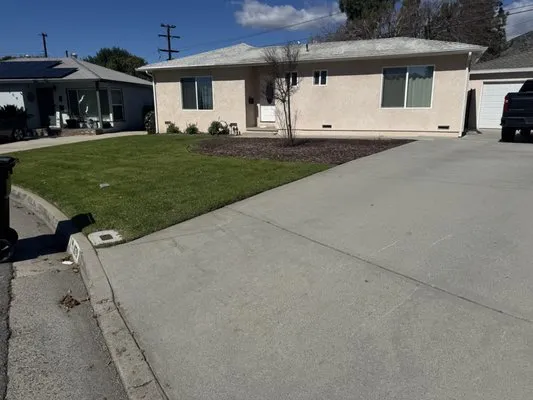
Exclusive Landscaping is a locally owned and operated business dedicated to enhancing outdoor spaces in Glendora, CA. We specialize in comprehensive landscape services, from full construction and inst...
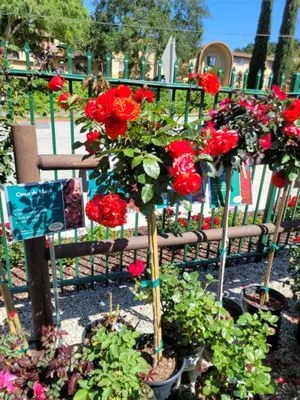
Armstrong Garden Centers in Glendora, CA, is an employee-owned nursery with deep roots in California's gardening community, serving residents for over 130 years. Founded by John Armstrong, who started...
Hernandez Bros Landscaping & Tree Service is a trusted, family-owned provider serving the Baldwin Park community. We understand the specific challenges local homeowners face, such as inefficient irrig...
Alpine Landscape Services is a trusted local landscaping company serving La Verne, CA, dedicated to solving common residential landscaping challenges. Many homes in the area struggle with landscape dr...
Estimated Landscaping Service Costs in Glendora, CA
Questions and Answers
My sloped yard erodes every time it rains. What's a permanent solution that also looks good?
Slope erosion is common with Glendora's Alkaline Sandy Loam, which has low aggregate stability when bare. Installing a network of Permeable Concrete Pavers for patios or paths creates stable, percolating surfaces that meet Glendora Planning Department stormwater standards. These pavers allow rainwater to infiltrate on-site, reducing runoff velocity. Combining this with strategically placed retaining walls and deep-rooted native plants addresses the hydraulic pressure causing the erosion.
With Stage 2 water restrictions, how do I keep my Tall Fescue lawn alive without wasting water?
Under Stage 2 conservation, maintaining Dwarf Tall Fescue requires precise Evapotranspiration-based scheduling. A Smart Wi-Fi ET Controller automatically adjusts runtime using local weather data, applying water only when the plant actually needs it, which can reduce usage by 20-30%. This technology prevents overwatering on cool, humid days, the leading cause of runoff in our sandy loam. Properly managed, this system keeps turf healthy while staying well within municipal allotments.
I'm tired of weekly mowing and loud gas blowers. What's a quieter, lower-maintenance alternative?
Replacing high-input turf with a palette of natives like California Lilac, White Sage, and Deergrass dramatically reduces mowing and blowing needs. These plants thrive in Zone 10a with minimal water once established and require no leaf blowing—their fallen debris contributes to healthy soil. This transition future-proofs your landscape against tightening noise ordinances promoting electric-only equipment and aligns with the region's fire-wise goals for defensible space.
A storm knocked down a large branch. How fast can a crew get here for an emergency cleanup?
For urgent HOA compliance or safety issues like storm debris, our dispatch from the Finkbiner Park area to Glendora Village typically takes 25-35 minutes during peak periods via the I-210 corridor. This estimated travel time accounts for real-time traffic and prioritizes immediate hazard mitigation. The crew arrives with electric chippers and loaders to clear the site efficiently and quietly, adhering to local decibel ordinances.
My yard's soil seems tough and water runs off quickly. Is this just how Glendora soil is?
Glendora Village homes built around 1964 often sit on 60-year-old, compacted Alkaline Sandy Loam. This soil's natural pH of 7.6-8.2, combined with decades of foot traffic and conventional maintenance, severely reduces permeability and organic content. Core aeration followed by top-dressing with compost is critical to reintroduce pore space and microbial life. Without this amendment, water and nutrients cannot penetrate to root zones, leading to poor plant health and surface runoff.
I want to regrade my backyard. What permits and contractor qualifications are required?
Regrading a 0.22-acre lot in Glendora often requires a grading permit from the Glendora Planning Department to ensure engineered plans control runoff and slope stability. The contractor must hold a specific C-27 Landscaping license from the California Contractors State License Board (CSLB) for this earthwork. Using an unlicensed entity risks improper compaction and drainage solutions that could lead to property damage or neighborhood erosion issues, resulting in significant liability.
Is a wooden deck or a paver patio better for longevity and fire safety in Glendora's foothills?
Given Glendora's High Fire Wise rating in the WUI zone, Permeable Concrete Pavers provide superior longevity and defensible space compared to wood. Pavers are non-combustible, require no sealing, and their permeability aids in groundwater recharge. A wood deck presents ongoing maintenance and creates a flammable structure near the home. Pavers also offer better drainage control on sloped lots, a critical factor for erosion prevention in our soil type.
I see invasive grasses and yellow oxalis taking over. How do I treat them without harmful chemicals?
Invasive species like Bermudagrass and Oxalis pes-caprae exploit weak soil structure. Treatment begins with improving soil health through organic amendments to help desired plants compete. For immediate suppression, targeted manual removal or approved organic herbicides applied during their active growth phase is effective. All treatments must comply with the local Nitrogen-limited fertilizer ordinance, avoiding application blackout dates to protect watersheds under the MS4 Stormwater Permit.
