Top Landscaping Services in Glendale, CA, 91020 | Compare & Call

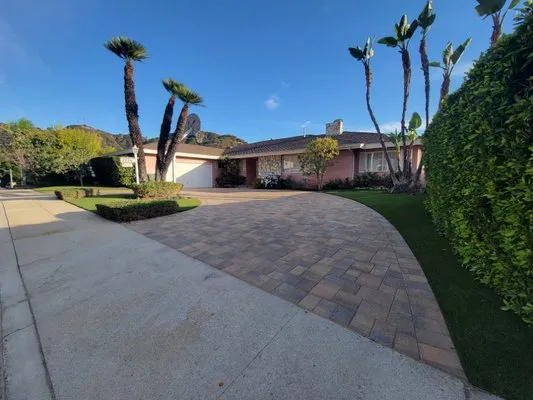
Buildcal Landscape was founded in Glendale, CA by Arin D., a licensed landscape contractor with a deep-rooted commitment to the local community. Arin's expertise stems from a Bachelor's degree in Land...
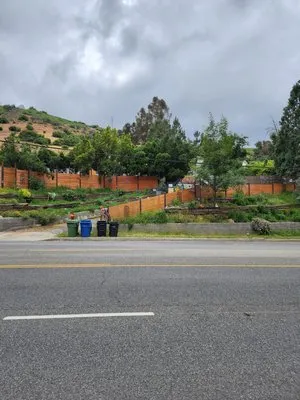
A To Z Landscaping
A To Z Landscaping is a family-owned and operated business serving Glendale and the Greater Los Angeles area since 2008. We specialize in comprehensive landscaping, tree services, and masonry/concrete...
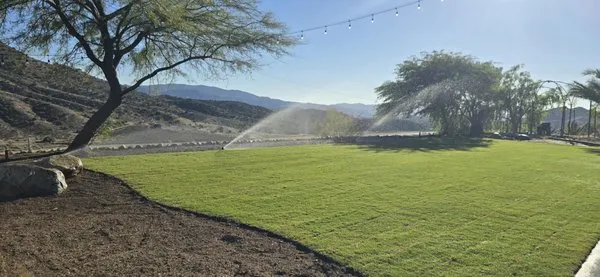
Paradise Landscaping and Gardening is a Glendale-based company dedicated to creating and maintaining beautiful, sustainable outdoor spaces for homes and businesses. With years of hands-on experience a...
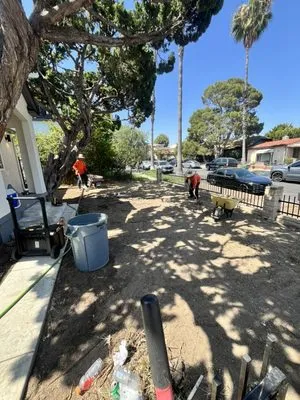
Lopez Landscape and Tree Service is a family-founded, Glendale-based company with over a decade of dedicated service to the local community. Owner Omar Lopez started the business out of a passion for ...
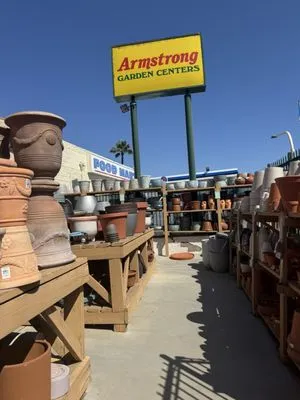
For over 130 years, Armstrong Garden Centers has been a cornerstone of California gardening, now proudly employee-owned. Our Glendale location continues the tradition started by John Armstrong, who be...
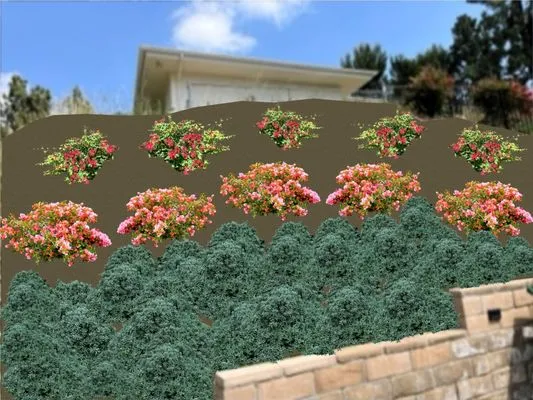
GoldenWest Landscape Consultants brings over four decades of specialized landscape industry expertise to every project in Glendale and the surrounding communities. Founder and principal consultant is ...
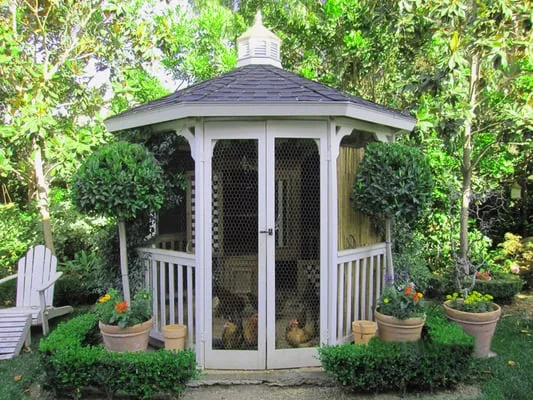
Mary Cardea Landscaping is a locally owned and operated business serving Glendale, La Cañada, and Pasadena for over 30 years. Founded by Mary Cardea, a Cal Poly Pomona graduate with degrees in ornamen...
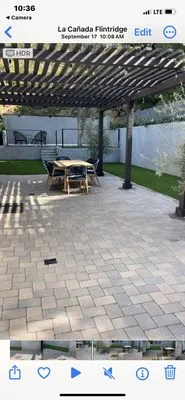
Ed's Landscaping, a family-owned and operated business serving Glendale since 1976, builds outdoor spaces designed for Southern California living. Founded by Ed, who finds joy in seeing clients happy ...
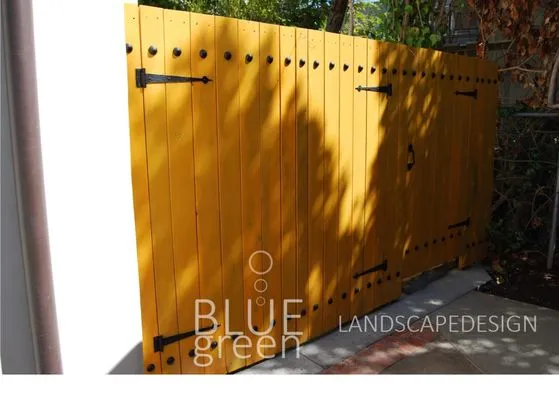
BlueGreen Landscape Design is a Glendale-based landscape architecture firm founded on a passion for creating beautiful, functional outdoor environments. With a Master's in Landscape Architecture from ...
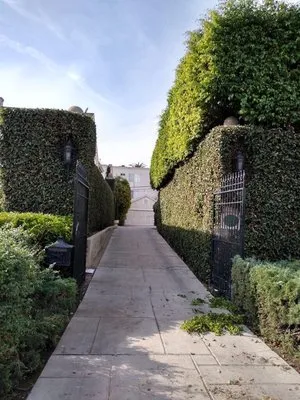
Martinez Gardening Services
Martinez Gardening Services is a trusted, locally-owned landscaping company serving Glendale, CA. We specialize in solving common local landscaping challenges, such as poor landscape drainage and unsi...
Questions and Answers
My hillside property has erosion; what's a permanent solution?
Hillside erosion in Glendale is often due to the low permeability of compacted sandy loam and non-porous hardscape. The solution integrates graded swales and permeable concrete pavers. These pavers allow stormwater to infiltrate directly into the subsoil, drastically reducing surface runoff velocity and volume. This system must be engineered to meet the Glendale Community Development Department's stormwater management standards, which mandate zero runoff from new installations. Properly installed, it stabilizes slopes and recharges groundwater.
What permits and licenses are needed to regrade my 0.16-acre lot?
Any significant grading or earthwork requires a permit from the Glendale Community Development Department to ensure compliance with hillside and stormwater ordinances. The contractor performing this work must hold a C-27 Landscaping license or a relevant engineering license from the California Contractors State License Board. On a 0.16-acre lot, improper grading can redirect water to neighboring properties, creating liability. Using a licensed, insured professional is non-negotiable for legal protection and project integrity.
Are permeable pavers a good choice for a patio in a high-fire-risk area?
Permeable concrete pavers are superior to combustible wood for defensible space in Very High Fire Hazard Severity Zones. They provide a non-flammable, stable surface that meets fire-wise landscaping requirements for Zone 0. Their durability exceeds wood, with no risk of rot, termites, or warping. The permeability also manages micro-runoff, reducing erosion on sloped lots. For longevity and safety in Glendale's WUI, they are the recommended hardscape material.
How fast can you respond to an emergency cleanup for HOA compliance?
Our electric fleet is dispatched for priority storm or violation responses within Rossmoyne. A standard route from our staging at Brand Park utilizes the SR-134 corridor for direct access, avoiding major surface street delays. Under typical conditions, we can have a crew on-site for debris removal and initial assessment within the 25-35 minute window. This efficiency is enhanced by our compliance with the city's electric-only blower ordinance, allowing for immediate morning work without noise restrictions.
How do I treat invasive weeds without harming the environment or breaking city rules?
Targeted manual removal or spot-treatment with organic, non-residual herbicides is the first line of defense against invaders like oxalis or spurge. Timing is critical to avoid the City of Glendale's Stormwater Management Plan blackout dates, which prohibit applications before forecasted rain to prevent runoff into the watershed. For persistent issues, soil health must be addressed; healthy, biologically active soil with strong mycorrhizal networks naturally suppresses weed germination and growth.
Why does my Rossmoyne lawn seem to reject water and fertilizer?
Homes built around 1964 on Glendale's alkaline sandy loam soil have experienced over six decades of mineral buildup and compaction. This soil type, with a pH of 7.6-8.2, naturally binds nutrients like iron and phosphorus, making them unavailable to plants. The low organic matter content, typical in older neighborhoods, severely reduces water infiltration and percolation. Core aeration and amendments like composted woody mulch are required to lower pH, improve soil structure, and restore biological activity.
Can I keep my TifTuf Bermuda healthy on only two watering days a week?
Yes, with precise management. Wi-Fi ET-based weather-sensing controllers are mandatory for Stage 2 restrictions. These systems automatically adjust runtime by calculating daily evapotranspiration (ET) from local weather data, applying water only as needed. For TifTuf Bermuda, deep, infrequent irrigation cycles that match the soil's percolation rate are programmed. This method promotes deeper root growth and drought resilience, keeping the turf viable within the weekly water budget without waste or runoff.
What's a low-maintenance alternative to high-input turf grass?
Transitioning to a climate-adaptive landscape of California natives like Cleveland Sage, Toyon, and California Buckwheat eliminates weekly mowing, frequent fertilization, and constant watering. These deep-rooted plants thrive in our alkaline soil, require minimal irrigation once established, and provide critical habitat. This shift future-proofs your property against tightening water restrictions and the city-wide ban on gas-powered blowers, as these plantings require only occasional hand-pruning with electric tools.
