Top Landscaping Services in Georgetown, CA, 95633 | Compare & Call
There are 114 landscaping companies server in Georgetown CA
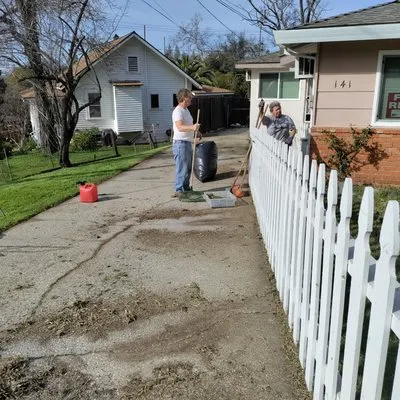
Jn Landscaping is a family-owned lawn service business in Auburn, CA, operated by Oy Cally, her husband John Nicol, father-in-law Randal, and brother Jake. Since 2018, they've combined over 25 years o...
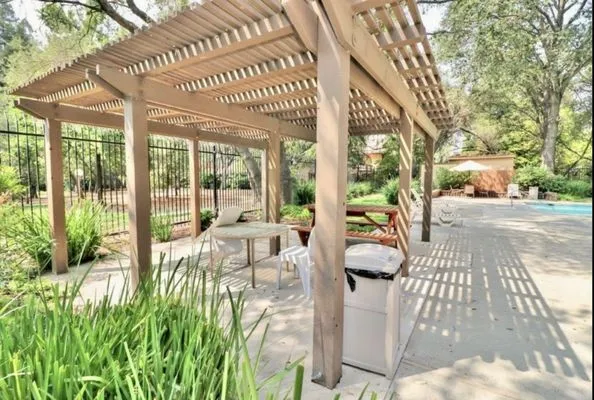
Tenas Landscape is a trusted landscaping partner serving Auburn and the greater Placer County area. With over a decade of experience, we specialize in turning your outdoor vision into a reality. Our c...
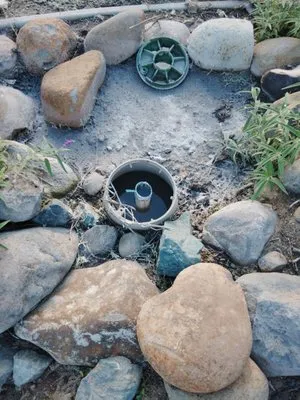
Landscaping Unlimited is a full-service landscaping company serving Auburn, CA. We help local homeowners, realtors, and landlords increase property value and create beautiful, functional outdoor space...

Norrell Land Services
Founded 11 years ago by Auburn native Steven Norrell, Norrell Land Services was born from a deep-rooted understanding of foothill land and a commitment to exceeding the standard in landscape care. Wit...
T.Y.S. Landscaping is a locally-owned and operated landscaping company serving Auburn, CA, and the surrounding Placer County area. With over three years of hands-on experience in the industry, our fou...
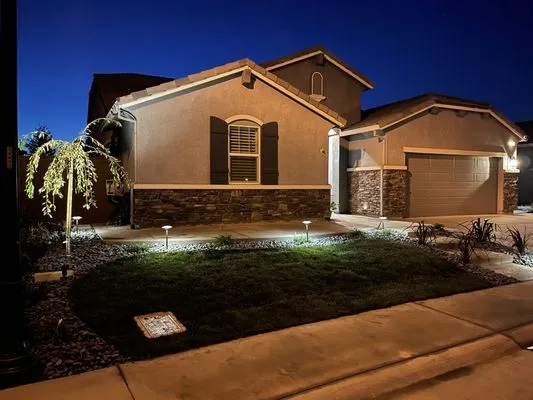
Duarte Home Improvements is a locally-owned and operated contractor serving Lincoln and Placer County, specializing in fences, masonry, and landscaping. We focus on building lasting, functional improv...
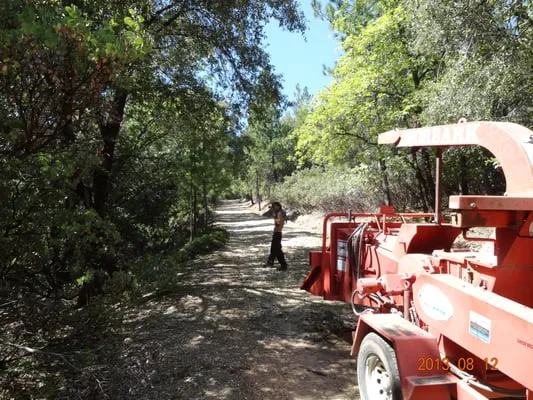
Dreher's Patch has been a trusted name in landscaping and tree care since 1975. Founded and operated by John, whose career spans over 30 years, our business is built on a foundation of personal commit...

Trinity Property Maintenance
Trinity Property Maintenance is a full-service property care company serving Grass Valley and surrounding areas. We specialize in landscaping, fencing, drywall, and comprehensive property maintenance ...
JLW Home Service is a trusted, full-service provider for homeowners in Grass Valley and the surrounding areas. We combine expertise in handyman services, electrical work, and comprehensive landscaping...
Dump Truck 916
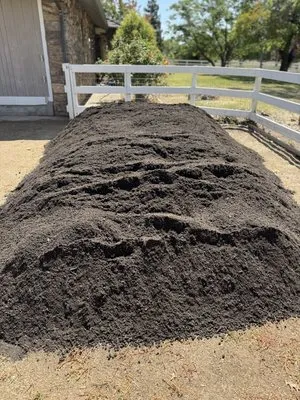
Dump Truck 916 is a Rancho Cordova-based company founded and operated by Dmitrii Rozhkov. With over 14 years of dedicated experience in horticulture and soil science, Dmitrii built the business on a f...
Estimated Landscaping Service Costs in Georgetown, CA
FAQs
What permits and licenses are needed for grading work on half-acre Georgetown lots?
Grading operations on 0.50-acre Georgetown Divide properties require El Dorado County Planning and Building Department permits for any earth movement exceeding 50 cubic yards. Contractors must hold active California Contractors State License Board classification C-27 for landscaping, with additional certification for erosion control in high-risk zones. The CSLB mandates specific bonding and insurance levels for projects affecting drainage patterns or slope stability, ensuring compliance with both county standards and state environmental regulations.
Why does my Georgetown Divide soil seem compacted and acidic after decades?
Georgetown's Ultic Haploxeralfs soil has matured for 55 years since the 1971 neighborhood development, developing a dense clay layer that restricts root growth. This soil type naturally trends toward pH 5.5-6.5, which can limit nutrient availability for many landscape plants. Core aeration every 2-3 years combined with organic amendments like composted bark improves soil structure and permeability. These interventions address the compaction legacy while gradually adjusting pH toward optimal ranges for plant health.
What solutions prevent erosion on sloped Georgetown properties?
High erosion risk on Georgetown Divide terrain requires engineered drainage that addresses both surface flow and subsurface permeability. Decomposed granite and native slate hardscapes provide natural infiltration rates of 2-4 inches per hour, meeting El Dorado County Planning and Building Department runoff standards. French drains with clean gravel layers, terracing with retaining walls, and strategic planting of deep-rooted natives create a multi-layered approach that stabilizes slopes while managing water movement through the property's 0.50-acre footprint.
Should I replace some lawn with native plants to reduce maintenance?
Transitioning high-maintenance turf areas to California Buckeye, Western Redbud, and Ceanothus natives creates ecological benefits while reducing operational demands. These drought-adapted species require minimal irrigation once established and provide habitat value exceeding 2026 biodiversity benchmarks. The shift also aligns with evolving noise ordinances that increasingly restrict gas-powered equipment, as native plantings need only seasonal attention rather than bi-weekly mowing cycles from April through July.
Can I maintain healthy turf while following Georgetown's water conservation guidelines?
Stage 1 voluntary conservation allows efficient irrigation when paired with smart Wi-Fi controllers and soil moisture sensors. These systems calculate ET-based schedules that deliver precise water volumes only when Tall Fescue dwarf varieties show actual need, typically reducing consumption 20-30% below conventional timers. The technology prevents overwatering on Ultic Haploxeralfs soils while maintaining turf health through Georgetown's dry summers, staying well within municipal water limits through data-driven management.
How do I manage invasive species without harming local waterways?
Georgetown's fertilizer ordinance prohibits synthetic applications within 50 feet of watercourses, requiring targeted mechanical removal or organic treatments for invaders like yellow starthistle or French broom. Manual extraction during peak mulching season in late March prevents seed set, while spot applications of horticultural vinegar or flame weeding address regrowth. These methods avoid chemical runoff into sensitive watersheds while gradually restoring ecological balance through competitive native plantings like Deergrass and California Poppy.
Are decomposed granite and slate better than wood for Georgetown's fire conditions?
Decomposed granite and native slate provide superior fire resistance compared to wood hardscapes in Georgetown's Extreme WUI High Hazard Severity Zone. These non-combustible materials maintain structural integrity during fire events while creating defensible space required by fire-wise standards. Their mineral composition withstands temperature extremes without degradation, offering decades of service life with minimal maintenance. The permeability of these materials also supports groundwater recharge, unlike impervious alternatives that increase runoff on sloped terrain.
How quickly can you respond to emergency storm damage on the Georgetown Divide?
Emergency cleanup crews dispatch from the Georgetown Hotel and Saloon area, taking CA-193 to reach most Divide properties within 45-60 minutes during peak storm conditions. This response window accounts for potential road hazards and prioritizes safety while addressing immediate threats like fallen limbs or drainage blockages. Our fleet maintains readiness for HOA compliance deadlines, with communication protocols established for rapid assessment and action in this high-risk fire zone.
