Top Landscaping Services in Fort Bragg, CA, 95437 | Compare & Call
There are 36 landscaping companies server in Fort Bragg CA
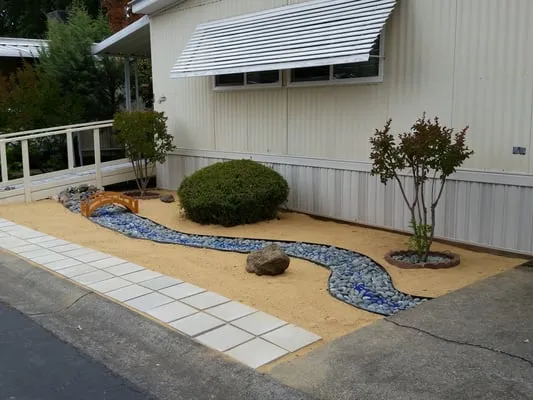
Since 1997, Sonoma Sweepers has grown from a family-owned garage operation in Ukiah to Mendocino County's leading commercial property service provider. Founded by Jeff, who brings landscaping experien...
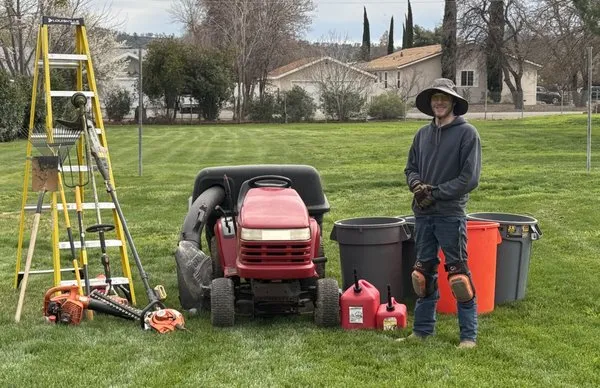
Hi there! I'm Ethan, the owner of The Grass Guy in Lucerne, CA. This is my third year running my own yard maintenance and junk removal business, and I've built it on providing reliable, straightforwar...
Marks Landscaping And Gardening
Mark's Landscaping & Gardening is a locally owned and operated business in Ukiah, CA, dedicated to transforming outdoor spaces with personal attention and expert craftsmanship. As the owner, Mark hand...
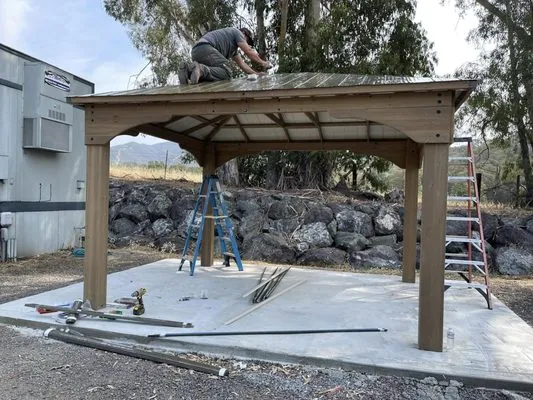
Fern's Junk Removal & More is your local, full-service partner for a cleaner and more beautiful property in Ukiah and throughout Mendocino County. As a self-owned business operated by a lifelong local...
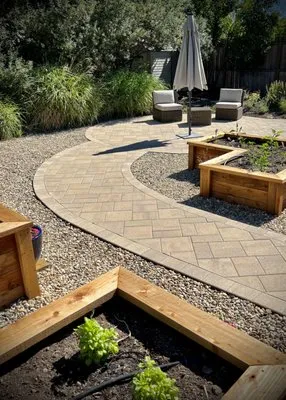
NC Outdoors is a family-run business based in Willits, CA, proudly serving Mendocino County and surrounding areas since 2016. Founded by Nicklaus, who previously worked on large estate homes and priva...

Sequoia Soil Company is your local Ukiah partner for creating resilient, drought-tolerant landscapes. We specialize in providing high-quality soil blends, amendments, and expert advice tailored to Men...

Cen's Landscaping Service is your trusted local partner for maintaining and enhancing outdoor spaces in Fort Bragg, CA. We specialize in comprehensive gardening, lawn care, and expert irrigation servi...

Edens Lawn and Yard Service is a Lakeport-based landscaping company founded in 2023, dedicated to creating and maintaining vibrant outdoor spaces for residents and businesses within a 50-mile radius. ...
Mendo Build is your local connection to reliable, hands-on property care in Mendocino, CA. The business is built on a lifetime of practical experience. Owner, a laborer and father originally from the ...

Hartzell's Handyman Services is a Clearlake-based expert in property care, specializing in landscaping, tree services, and earthwork. We help homeowners maintain and enhance their outdoor spaces, focu...
Estimated Landscaping Service Costs in Fort Bragg, CA
Question Answers
My lawn seems thin and drains poorly. Is this typical for a Fort Bragg Coast District home built in the 1960s?
Yes, this is a predictable result of soil maturity. Lots developed around 1966 now have 60-year-old Acidic Marine Terrace Loam. The natural pH of 5.5-6.2 has likely been compacted by decades of foot traffic and maintenance, restricting permeability. To restore soil health, we recommend core aeration followed by amending with composted organic matter, which will improve drainage and nutrient availability for your turf.
How do I keep my Tall Fescue lawn healthy during Fort Bragg's Stage 1 water restrictions?
Effective irrigation relies on precision, not volume. Installing a soil moisture sensor-based smart controller is critical. This technology schedules watering based on actual evapotranspiration (ET) and soil saturation levels, preventing overwatering. It allows your Tall Fescue blend to receive deep, infrequent watering that promotes root growth while keeping your property well within voluntary municipal conservation limits.
A storm just knocked a tree limb across my driveway. How quickly can a crew arrive for an emergency cleanup?
For an emergency cleanup in the Coast District, we can dispatch a crew from our staging area near Glass Beach within 30 minutes. The route north via Highway 1 allows direct access, but response time during peak storm events is typically 20-30 minutes. Our electric-powered chippers and loaders operate within the city's noise ordinance hours, ensuring compliance even during urgent HOA-mandated debris removal.
I've spotted what looks like invasive English Ivy. How can I remove it without harming the coastal environment?
English Ivy is a high-priority invasive species alert for this area. Manual removal, ensuring all root fragments are extracted, is the most effective and ecologically sound method. For larger infestations, targeted, permitted herbicide applications may be necessary, but they must be scheduled in strict compliance with the local fertilizer ordinance and NPDES regulations to prevent coastal runoff. Never apply during forecasted rain or the ordinance's blackout dates.
Is crushed redwood bark or wood decking better for a new patio in our fire-prone area?
Crushed redwood bark is superior for fire-wise landscaping in our Moderate risk zone. While both are combustible, loose bark is a lower-profile fuel source compared to the continuous fuel bed of a wooden deck. It also meets defensible space requirements for ember resistance more readily. For true hardscape, permeable concrete pavers offer the greatest longevity and fire resistance, creating a critical non-combustible zone near structures.
Do I need a permit to regrade and add a small retaining wall to my 0.22-acre lot?
Yes. Any significant grading or structural wall requires a permit from the Fort Bragg Community Development Department. On a 0.22-acre lot, earthwork can impact drainage patterns and stability. The work must be performed by a contractor licensed by the California Contractors State License Board (CSLB) for the correct classification, such as 'C-27' for landscaping. This ensures the project complies with engineering standards and coastal runoff regulations.
My yard becomes a soggy mess every winter. What's the best long-term fix for drainage here?
This is caused by the poorly drained clay subsoils common beneath our Acidic Marine Terrace Loam. The solution involves improving permeability. For patios or paths, using permeable concrete pavers creates a surface that manages runoff on-site, meeting Fort Bragg Community Development Department standards. In planting beds, installing French drains lined with gravel and amending soil with coarse sand can redirect seasonal saturation away from foundations.
I'm tired of mowing and gas blower noise. Are there lower-maintenance, quieter landscape options?
Absolutely. Replacing high-input turf with a palette of native plants like Salvia spathacea, Polystichum munitum, Arctostaphylos columbiana, and Eriogonum latifolium dramatically reduces maintenance. These established plants require minimal water, no regular mowing, and only occasional pruning with electric tools. This transition future-proofs your landscape against tightening noise ordinances for gas-powered equipment and supports local biodiversity.
