Top Landscaping Services in Fillmore, CA, 93015 | Compare & Call
There are 209 landscaping companies server in Fillmore CA
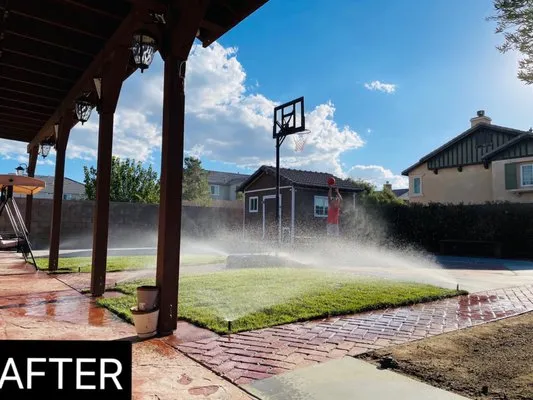
BME Landscaping is your full-service partner for enhancing outdoor spaces in Palmdale and the Antelope Valley. We specialize in comprehensive landscape solutions, from initial design to final construc...
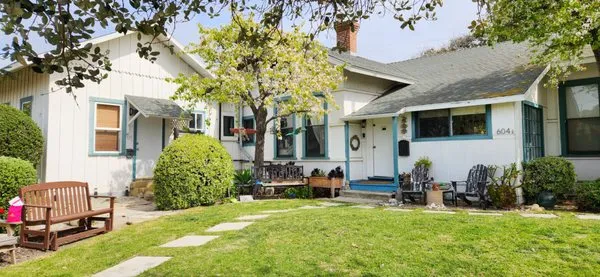
Hello! I'm Adrian Gonzalez, a licensed landscaper (CA license #1055754) serving Port Hueneme and the surrounding areas. I'm here to help with all your yard work and maintenance needs, from routine law...
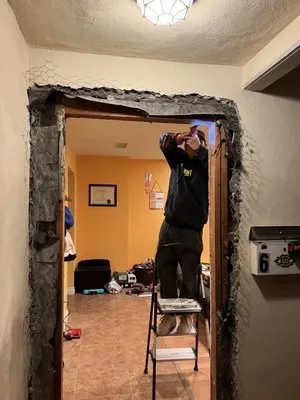
Bark & Branch Landscaping is a Santa Paula-based landscaping and masonry company serving Ventura County with comprehensive outdoor solutions. We specialize in transforming residential and commercial p...
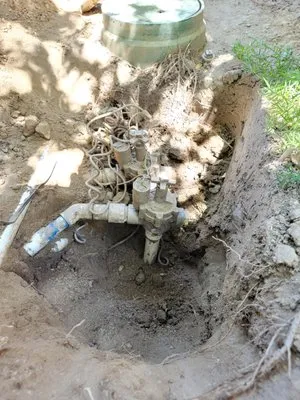
Socal Landscaping & Maintenance is a trusted, full-service provider for homeowners and businesses in Santa Clarita, CA. We specialize in creating and maintaining beautiful, functional outdoor spaces t...
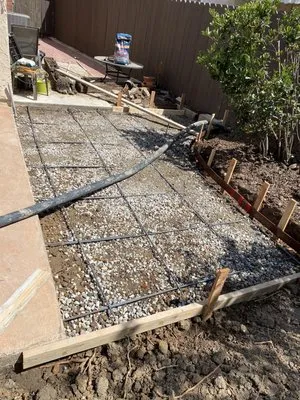
Diego's Landscape & Concrete is a trusted local contractor serving Oxnard, Camarillo, Ventura, Thousand Oaks, and Simi Valley for over five years. We combine expert craftsmanship in both landscaping a...
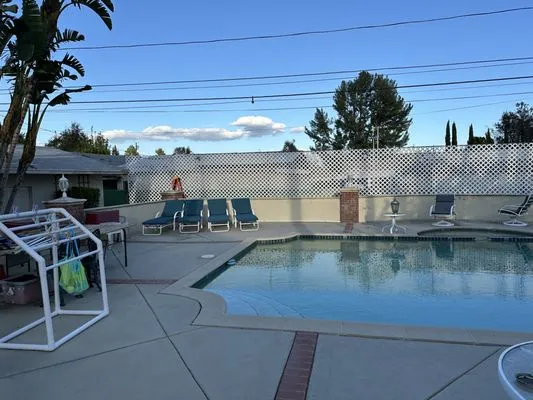
Evergreen Landscape & Design is a full-service landscaping company serving Oxnard, CA, and surrounding areas. We specialize in comprehensive landscape solutions, from initial design and construction t...
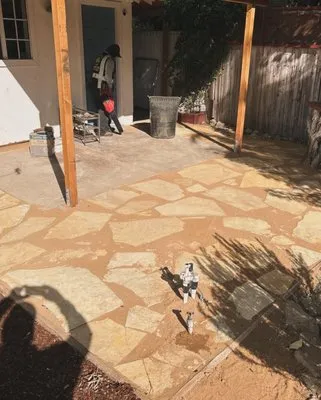
Sebastian Lawn & Landscaping is your trusted local expert for a healthy, beautiful lawn in Fillmore, CA. We specialize in comprehensive lawn care services tailored to our unique local climate and soil...
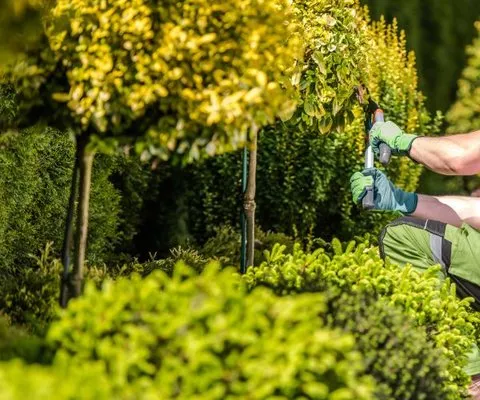
Better View Landscaping is a locally owned and operated service in Oxnard, CA, with over 25 years of dedicated experience. We specialize in transforming outdoor spaces through comprehensive landscapin...
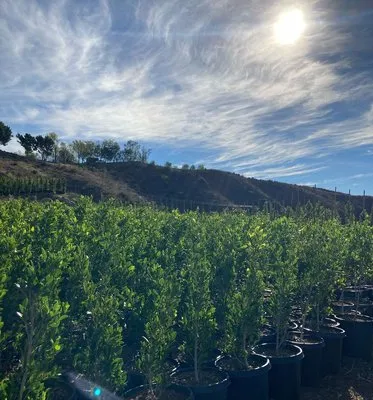
Bonilla Nurseries is a full-service landscaping and nursery company in Camarillo, CA. We specialize in creating and maintaining beautiful, resilient outdoor spaces tailored to our local climate. Our c...
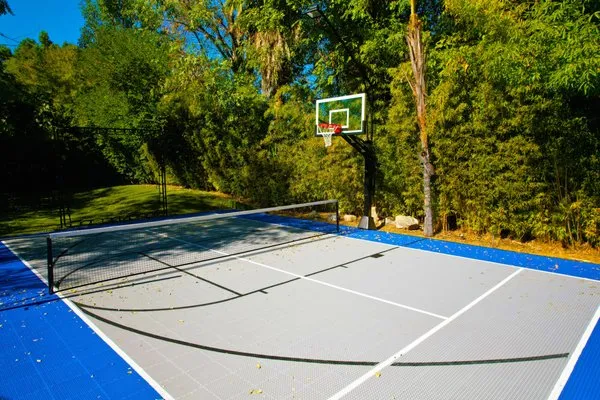
So Cal Sports Creations is a family-owned and operated contractor based in Simi Valley, specializing in transforming Southern California backyards. As the region's dedicated experts in constructing pi...
Estimated Landscaping Service Costs in Fillmore, CA
Questions and Answers
Are permeable concrete pavers a better choice than wood for a new patio, considering fire safety?
In Fillmore's Moderate Fire Wise (WUI Zone 2) rating, creating defensible space is a priority. Permeable concrete pavers are non-combustible, providing a critical firebreak that wood decking cannot. They offer superior longevity with minimal maintenance, unaffected by moisture or insects. Their permeability also addresses drainage concerns, making them a multifunctional solution. For properties in higher-risk zones, this material is often recommended in community wildfire protection plans.
Do I need a permit to regrade my backyard, and what kind of contractor should I hire?
Yes, significant grading on a 0.15-acre lot typically requires a permit from the Fillmore Planning & Community Development Department to ensure proper erosion control and drainage management. The contractor must hold a C-27 Landscaping license or a relevant specialty license from the California Contractors State License Board (CSLB). This licensing is mandatory for excavation and earthmoving projects exceeding a certain depth or volume, protecting you from liability and ensuring work meets current building and environmental codes.
I've spotted invasive weeds. How do I treat them without harming the environment or breaking local rules?
Common invasive alerts in Fillmore include Yellow Starthistle and Tree of Heaven. Manual removal is always the first line of defense. For persistent issues, targeted, organic herbicidal soaps can be applied during dry, calm periods to prevent drift. Crucially, any treatment must comply with the Regional Water Quality Control Board's MS4 regulations, which prohibit runoff into storm drains. Avoid applications before forecasted rain and adhere to any seasonal blackout dates specified in the local fertilizer ordinance.
Why does the soil in my Downtown Fillmore yard seem so compact and alkaline, and what can I do about it?
Homes built around 1974, like many in the area, have soil that has matured for over 50 years. The prevalent Calcareous Sandy Loam (pH 7.5-8.2) is naturally alkaline and prone to compaction from decades of foot traffic and routine maintenance. This compaction reduces soil percolation, limiting water infiltration and root growth. Core aeration followed by amending with high-quality compost is the primary corrective action; this introduces organic matter to improve structure and gradually moderates pH for a wider plant palette.
A storm damaged a tree and my HOA requires immediate cleanup. What's the fastest response time?
For an emergency cleanup in Downtown Fillmore, a crew can typically be dispatched from near Fillmore City Hall and routed via CA-126. During peak storm conditions, anticipate a 20-30 minute travel window. Our electric equipment fleet operates within the strict 7 AM to 7 PM noise ordinance, allowing for immediate, compliant mobilization. We prioritize securing the site and removing hazards to meet HOA compliance deadlines efficiently.
My yard pools water after rain. Is this related to Fillmore's soil, and what's a good solution?
Moderate runoff is common due to clay-heavy alluvial deposits within the sandy loam, which create a restrictive layer that impedes drainage. Installing permeable concrete pavers for patios or walkways is an effective strategy; they allow stormwater to infiltrate directly into the subsoil, reducing surface flow. This approach often meets the Fillmore Planning & Community Development Department's standards for on-site stormwater management. For severe cases, a French drain system may be necessary to intercept subsurface water.
How can I keep my Tall Fescue lawn alive during Stage 2 water restrictions?
Stage 2 restrictions mandate efficient water use, which is achievable with Wi-Fi ET-based weather-sensing irrigation controllers. These systems automatically adjust watering schedules based on real-time evapotranspiration data, applying water only when the lawn needs it. For Dwarf Tall Fescue in Zone 9b, this often means deep, infrequent watering cycles that promote deeper roots. This technology is key to preserving turf health while staying well within municipal allotments and avoiding runoff penalties.
I want a quieter, lower-maintenance yard. What should I replace my grass with?
Transitioning to a climate-adaptive landscape with natives like Cleveland Sage, Toyon, and Deergrass significantly reduces water, mowing, and chemical inputs. These plants establish deep root systems that improve soil health and require no gas-powered blowers for maintenance, aligning with the shift toward electric equipment mandated by local noise ordinances. Such a xeriscape creates habitat, supports 2026 biodiversity goals, and provides year-round interest with minimal intervention once established.
