Top Landscaping Services in Felton, CA, 95018 | Compare & Call

Since 1986, Professional Landscaping in Felton has been a cornerstone of quality in Santa Cruz County, founded by Dan Gottfredson. For nearly four decades, Dan has built a reputation on an exceptional...
SLV Landscaping is a locally owned and operated landscaping company serving Felton and the San Lorenzo Valley. With deep roots in the community, we specialize in comprehensive landscape care including...
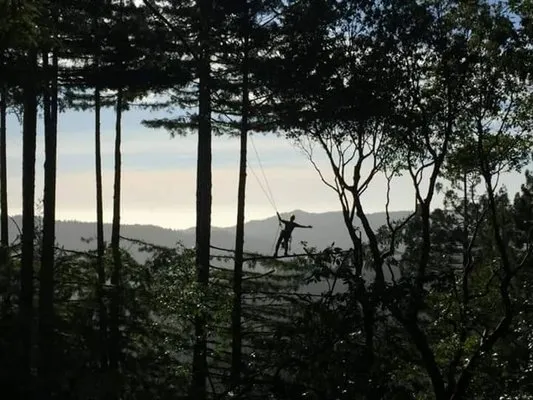
Verdant Arbor Care & Consulting is your local, experienced tree service provider in Felton, CA, specializing in comprehensive tree and shrub care. Our certified arborists offer personalized consultati...

Frey Landscaping is a 39-year-old green industry business in Felton, CA, dedicated to providing personalized customer service with meticulous attention to detail. As a small, customer-oriented operati...
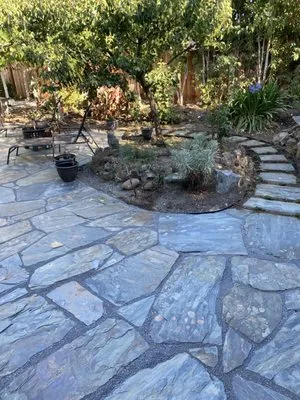
JTA Hometown Repair is your trusted local contractor in Felton, CA, specializing in comprehensive landscaping, stonemasonry, and fencing solutions. We understand that many Felton homes face challenges...
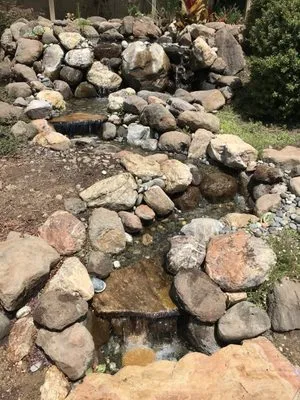
Kalinex Landscaping is a Felton-based landscaping company specializing in comprehensive shrub care and water feature maintenance. With over four years of experience in water feature installations, cle...
Redwood Coast Landscaping is a family-owned and operated business that has been a trusted part of the Santa Cruz and Monterey Bay communities since 1990. With over two decades of dedicated service, we...

Nature Elements Landscape
Nature Elements Landscape is a Felton-based irrigation and landscaping company dedicated to solving the common local issues of irrigation timer failure and broken sprinkler heads. Our comprehensive se...
Q&A
How do I treat invasive species without harming my garden?
French broom and Himalayan blackberry pose significant invasion risks in Felton's acidic soils. Manual removal during dry periods prevents soil disturbance that spreads root fragments. Spot treatments with glyphosate alternatives avoid Regional Water Quality Control Board N-P-K runoff violations. Timing interventions before late March mulching season prevents reseeding while allowing native California poppy recovery. Always bag and dispose of invasive material off-site to prevent reinfestation.
How can I maintain healthy turf during Stage 1 water restrictions?
Wi-Fi ET-based weather sensing irrigation calculates evapotranspiration rates specific to Felton's microclimate. This system adjusts fine fescue watering to 0.75 inches weekly, staying within voluntary conservation limits while preventing dormancy. Soil moisture sensors override scheduled cycles when rainfall occurs, reducing municipal water use by 30-40% compared to traditional timers. Properly calibrated ET systems maintain turf health through summer without violating conservation stages.
What's the best solution for erosion on my steep slope?
Acidic sandy loam on Felton slopes loses 2-3 inches of topsoil annually without intervention. Permeable decomposed granite hardscape creates stable terraces with 1,200 inches per hour infiltration rates, meeting Santa Cruz County Planning Department runoff standards. French drains lined with geotextile fabric redirect subsurface flow, while native western sword fern plantings stabilize banks. This combination reduces erosion risk by 80% while maintaining natural drainage patterns.
What permits and licenses are needed for grading my 0.35-acre lot?
Grading on 0.35-acre Felton properties requires Santa Cruz County Planning Department permits for any earth movement exceeding 50 cubic yards. Contractors must hold California Contractors State License Board classification C-27 for landscaping, with additional endorsement for erosion control in high-risk zones. Unlicensed grading risks $5,000-10,000 fines and mandatory restoration orders. Professional licensing ensures proper slope stabilization that meets both county standards and Regional Water Quality Control Board requirements.
Why does my Felton Proper yard have such poor soil quality?
Felton Proper lots built around 1960 have 66-year-old soil systems. Acidic sandy loam with pH 5.5-6.5 naturally develops compaction layers over decades, reducing water infiltration to just 0.5 inches per hour. This soil requires core aeration every 2-3 years and organic amendments like composted redwood duff to rebuild structure. Without intervention, root zones become anaerobic, limiting nutrient uptake for even established California lilac.
How quickly can you respond to emergency storm damage cleanup?
Emergency cleanup crews dispatch from Henry Cowell Redwoods State Park via Highway 9, arriving within 45-60 minutes during peak storm conditions. Our electric fleet bypasses noise ordinance restrictions on commercial power equipment, allowing immediate debris removal. This rapid response prevents secondary damage from fallen redwood branches and meets HOA compliance deadlines for hazard clearance in Felton's steep terrain.
Should I replace my high-maintenance lawn with native plants?
Transitioning to coast redwood understory species like California lilac and western sword fern reduces maintenance frequency by 70%. These natives require no gas-powered equipment, aligning with Felton's 7am-7pm commercial power equipment restrictions. Established native gardens need only seasonal pruning and natural mulch replenishment, eliminating weekly mowing while supporting local pollinators. This approach creates resilient landscapes that thrive in Zone 9b without synthetic inputs.
Is decomposed granite better than wood for patio materials?
Permeable decomposed granite outperforms wood in Felton's Extreme Fire Wise Zone 3 conditions. While wood decks require flame-retardant treatments and 30-foot defensible space clearance, decomposed granite provides non-combustible surfaces with zero ember production. This material maintains structural integrity for 15-20 years without rotting or termite damage, crucial for WUI Zone 3 compliance. Its natural drainage properties also reduce erosion compared to impermeable concrete alternatives.
