Top Landscaping Services in Fairfield, CA, 94533 | Compare & Call

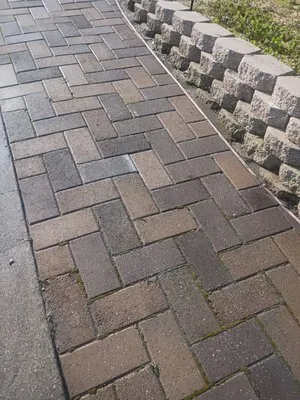
Justin’s Professional Landscaping
Based in Fairfield, Justin’s Professional Landscaping is a licensed and insured construction company with over two decades of experience serving Solano County and the wider Bay Area. We specialize in ...
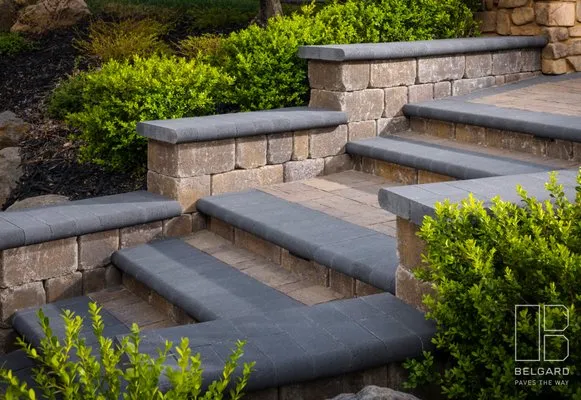
The Paver Company
The Paver Company is your trusted Fairfield partner for enhancing outdoor living. We specialize in combining durable, ICPI-certified paver installations with high-quality artificial turf to create bea...
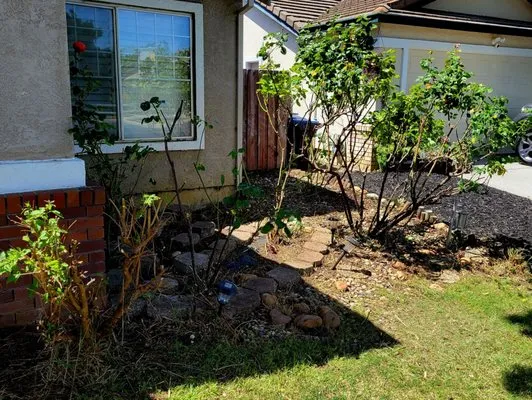
Founded by Alejandro, whose passion for landscaping began in his youth working with family, Alejandro’s Landscaping has been a trusted local service in Fairfield, CA for over a decade. As a licensed p...
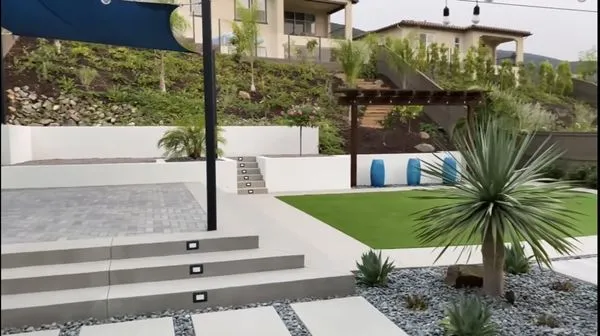
True Nature Landscape
True Nature Landscape is a licensed, family-owned landscaping construction company serving Fairfield and the wider Bay Area since 1996. We specialize in comprehensive outdoor solutions, from initial l...
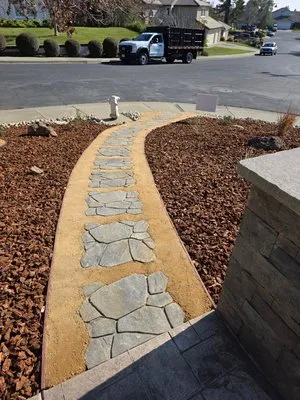
All Season Landscaping is a family-owned, licensed, and insured landscaping contractor serving Fairfield, CA since 2008. We specialize in comprehensive outdoor solutions including landscaping construc...
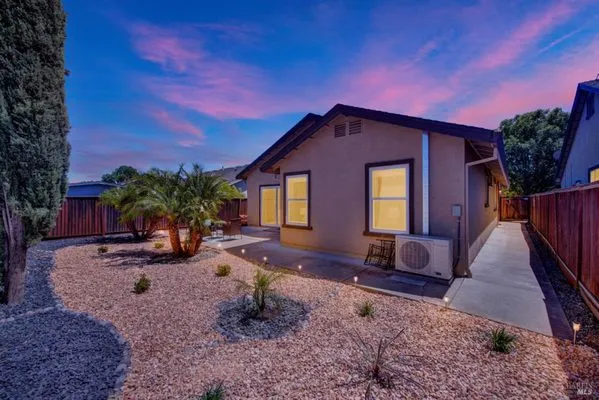
Guada Gardening is a trusted local service provider in Fairfield, CA, with over a decade of experience transforming outdoor spaces. Our team combines skilled gardening with responsible junk removal an...
Rolando Bay Area is a trusted landscaping company serving the Fairfield community. We specialize in comprehensive lawn and garden solutions tailored to the local climate. Our team addresses common Fai...
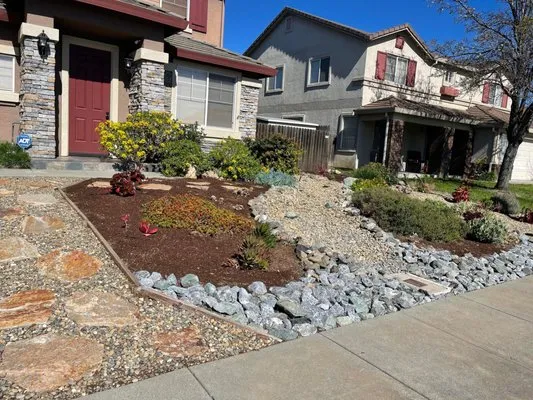
Hi, I'm Don. For over 35 years, my passion has been helping Fairfield residents build and care for their outdoor living spaces. I offer a full range of landscaping, masonry, and construction services,...
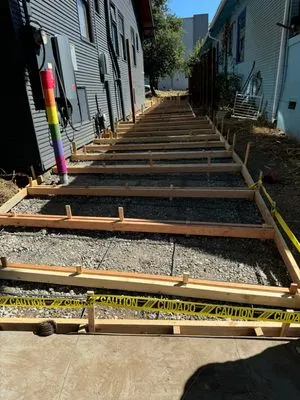
Carreon's Landscaping is a trusted local landscaping and concrete service based in Fairfield, CA, specializing in comprehensive outdoor solutions for homeowners. We handle everything from routine main...
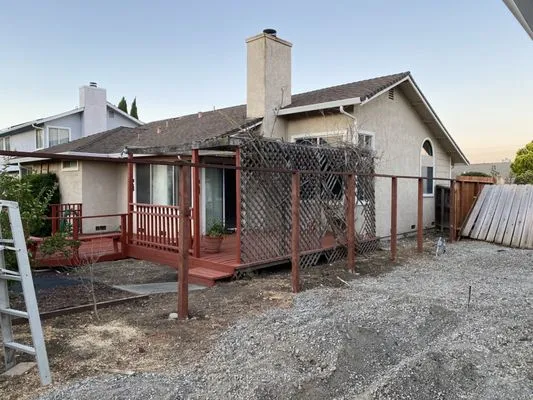
K&K Construction is a licensed, bonded, and insured design-build general construction company based in Fairfield, California. Founded with a vision to be a leading construction and facility support se...
Questions and Answers
How can I keep my Tall Fescue lawn healthy with Stage 1 water restrictions in place?
Stage 1 voluntary conservation is best managed with precision irrigation. Smart Wi-Fi ET-based controllers automatically adjust watering schedules using local evapotranspiration data, applying water only when needed. For Clay Loam soil, this means fewer, deeper cycles to encourage drought-tolerant roots in Dwarf Tall Fescue. This technology often reduces water use by 20-30% while maintaining turf health, keeping you well within municipal guidelines and preventing the seasonal ponding common with manual timers.
I've spotted invasive weeds like Yellow Starthistle. How do I treat them safely?
Invasive species like Yellow Starthistle or Bermuda grass are alert-level issues in Fairfield. Manual removal before seed set is most effective. For persistent problems, a targeted, state-compliant herbicide applied by a licensed professional avoids phosphorus runoff, a key requirement of the local fertilizer ordinance. Treatments must avoid seasonal blackout dates to protect watersheds. Promoting dense native ground cover is the best long-term defense, outcompeting invaders and improving soil health organically.
I want to reduce mowing and gas blower noise. What's a good native plant alternative to grass?
Transitioning to a climate-adaptive landscape with natives like Deergrass, California Poppy, and Western Redbud eliminates weekly mowing and aligns with evolving noise ordinances favoring electric equipment. These plants are adapted to Zone 9b and Clay Loam, requiring minimal summer water once established. A layered planting of Valley Oak understory with Narrowleaf Milkweed supports 2026 biodiversity targets for pollinators. This approach builds a resilient, low-input garden that stays ahead of regulatory trends and reduces your carbon footprint.
Is a permeable paver patio better than a wooden deck for our fire-risk area?
In a Moderate Fire Wise WUI Buffer Zone, non-combustible materials are paramount for defensible space. Permeable concrete pavers provide superior longevity and zero fire risk compared to wood. Their installation aids in managing the site's drainage hazard by allowing water infiltration, reducing runoff. The solid surface also requires minimal maintenance, avoiding the seasonal treatments needed for wood. For durability, safety, and compliance with fire-wise principles, permeable hardscape is the recommended choice.
Our Rolling Hills neighborhood has older homes, and my lawn seems compacted. What's the likely soil issue?
Homes built in the 1986-era Fairfield subdivision phase typically have 40-year-old landscaping soil, which is mature but often depleted. The prevalent Clay Loam (pH 7.2-7.8) becomes dense and impermeable over decades, restricting root growth and water percolation. Core aeration in early spring or fall is critical to relieve compaction. Incorporating 2-3 inches of composted organic matter annually rebuilds soil structure and supports microbial life, directly addressing the legacy of high shrink-swell clay common in these lots.
I need emergency storm debris cleanup to meet an HOA deadline. What's your fastest response time?
An emergency cleanup dispatch from our central yard at Allan Witt Park to the Rolling Hills area uses the I-80 corridor for direct access. Accounting for peak traffic conditions, our electric fleet can typically arrive within the 25-35 minute window noted for storm response. This schedule adheres to the city's commercial noise ordinance (7 AM - 7 PM), ensuring compliant, quiet operation with battery-powered equipment for immediate site assessment and debris removal.
Water pools in my yard every winter. What's a long-term solution for this drainage problem?
Seasonal ponding indicates the high shrink-swell clay subsoil has limited permeability. The primary solution is regrading to create positive slope away from foundations, a project requiring a permit from the Fairfield Community Development Department. Integrating permeable concrete pavers for patios or walkways adds critical infiltration points. For severe cases, a French drain system tied to a dry well may be necessary. These strategies manage runoff on-site, meeting current standards for reducing discharge into the municipal system.
What permits and licenses are needed to regrade my 0.15-acre property?
Regrading that alters drainage patterns or involves significant earth movement requires a permit from the Fairfield Community Development Department. For a 0.15-acre lot, this work must be performed by a contractor holding a relevant C-27 Landscaping or C-12 Earthwork license from the California Contractors State License Board (CSLB). The CSLB license ensures compliance with state law, bonding, and technical standards. Always verify active licensing and pull local permits to avoid liability and ensure the work meets city engineering standards.
