Top Landscaping Services in Elk Grove, CA, 95624 | Compare & Call

QD Landscaping is a trusted, full-service landscaping company serving Elk Grove and the surrounding area. We provide honest, reliable, and responsive service for projects of all sizes, from routine ma...
NT Landscaping Service is a family-owned and licensed Elk Grove landscaping contractor that has been serving the community since 2000. With a combined 15 years of hands-on experience, we specialize in...
Leafy Landscape is a locally owned and operated Elk Grove landscaping company managed by John, who brings over a decade of hands-on experience to every project. We specialize in transforming outdoor s...
Envision Landscape & Design Corp is a family-owned landscaping company serving Elk Grove, CA, with deep roots in the community. Founded on decades of hands-on experience, the business is built on a pa...
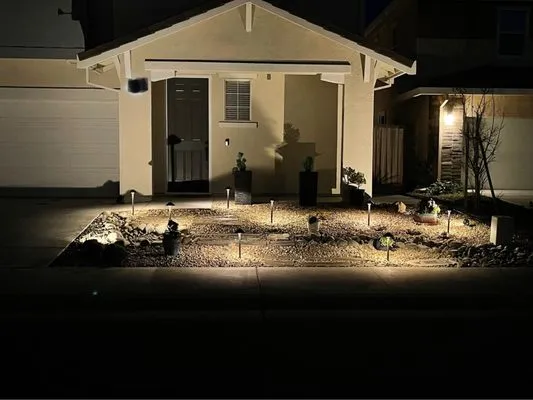
California Landscaping & Design
California Landscaping & Design has been transforming Elk Grove properties with comprehensive landscape solutions since 1998. With over 20 years of hands-on experience, we combine skilled design with ...
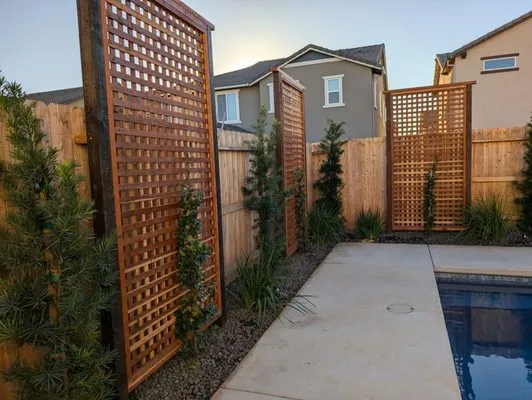
Phan's Landscaping is a trusted local provider in Elk Grove, CA, specializing in comprehensive landscape transformations for both front and backyards. They combine creative design with practical insta...
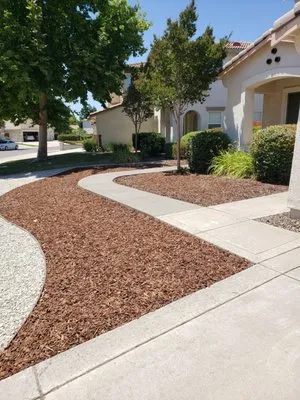
QV Landscaping & Maintenance is a state-licensed and bonded contractor (License & Bond #675836) serving Elk Grove and the surrounding areas. We provide comprehensive outdoor solutions that combine dur...
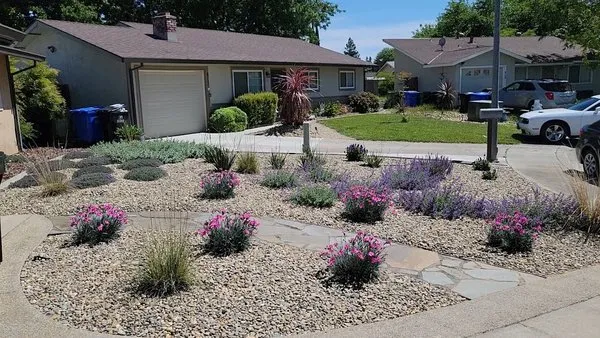
Scape Aesthetics is a licensed landscape service provider in Elk Grove, CA, founded by Temi, who brings over a decade of experience and a Bachelor's in Plant Sciences from UC Davis. Starting with a ch...
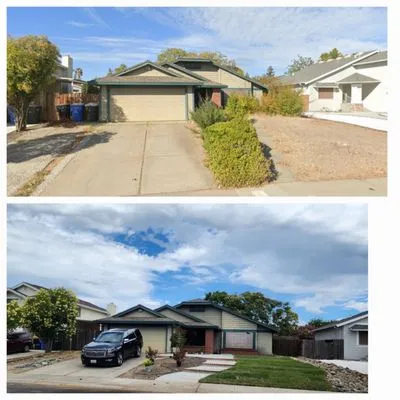
Bob's Landscaping has been serving Elk Grove, CA, with comprehensive outdoor solutions for years. We specialize in complete landscaping services, including concrete work, irrigation systems, fence and...
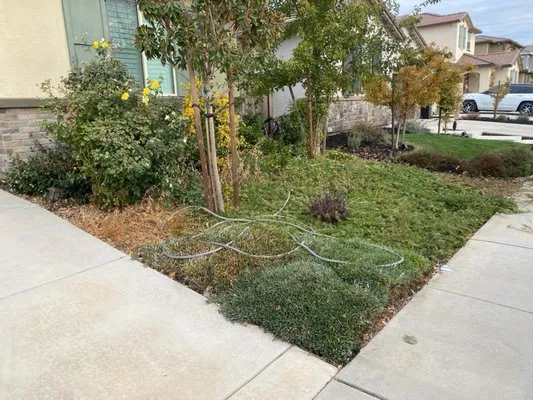
For over three decades, Unique Landscape has been a trusted, licensed, and bonded landscape construction partner for homeowners throughout the greater Sacramento region, with a dedicated focus on Elk ...
Frequently Asked Questions
What should we verify before hiring someone to regrade our yard?
Any significant grading or earthmoving on a 0.19-acre lot requires due diligence. The contractor must hold a valid C-27 Landscaping license from the California Contractors State License Board (CSLB). Furthermore, altering drainage patterns often requires a permit from the Elk Grove Planning Department to ensure changes don't adversely affect neighboring properties or public stormwater systems. Always request proof of both license and general liability insurance.
If a storm downs a tree limb, how quickly can a crew respond for an emergency cleanup?
For urgent HOA compliance or safety issues, we prioritize dispatch. A crew staged near Elk Grove Regional Park can access the CA-99 corridor, reaching most Old Town addresses within the 20–30 minute window typical for peak storm response. We maintain electric-powered chippers and hauling equipment to begin work immediately upon arrival, mitigating further property damage or liability.
We have an invasive weed taking over. How should we handle it?
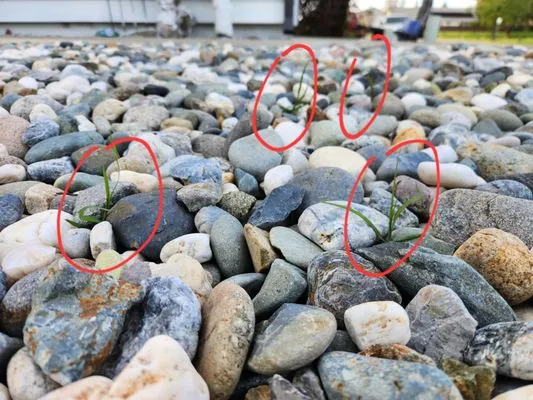
First, correctly identify the species; common alerts here include Yellow Starthistle and Field Bindweed. Manual removal is best for small infestations. For larger areas, a targeted, professional-grade herbicide application may be necessary, but it must be scheduled outside the Regional Water Quality Control Board's fertilizer and pesticide blackout dates to protect watersheds. Always follow up with dense planting of native ground covers to outcompete future weeds.
Our yard pools water after rain. What's a long-term fix for poor drainage?
Pooling water indicates the low infiltration rate of our native clay soil. The most effective solution integrates subsurface drainage with surface amendments. Installing a French drain system to redirect water, combined with regrading to direct surface flow, is key. For new patios or walkways, using permeable concrete pavers instead of solid concrete will increase ground absorption and help meet Elk Grove Planning Department standards for stormwater management.
We're adding a patio. Are permeable pavers worth the extra cost over wood?
For durability and fire resilience, permeable concrete pavers or decomposed granite are superior to wood. In our Moderate Fire Wise zone, non-combustible materials are recommended for defensible space within 30 feet of a structure. Pavers also have a lifespan exceeding 25 years with no rotting or splintering. Their permeability manages runoff on-site, a feature increasingly valued by local codes for its environmental benefit.
Is there a lower-maintenance alternative to our high-water lawn?
Transitioning to a climate-adapted landscape is a strategic move. Replacing turf with a layered planting of natives like Valley Oak, Ceanothus 'Ray Hartman', and Deergrass drastically reduces water and chemical inputs. This established ecosystem requires minimal pruning and no gas-powered leaf blowing, aligning with the city's transition to quieter electric equipment. Such a landscape also provides superior habitat, supporting local biodiversity.
How can we keep our Tall Fescue lawn healthy with current water restrictions?
Under Stage 1 water rules, efficient irrigation is mandatory. Smart Wi-Fi ET-based controllers are the solution; they automatically adjust watering schedules using local evapotranspiration data. This technology applies water only when the turf needs it, preventing runoff on clay soils. Properly managed, this system can maintain Tall Fescue with 20-25% less water than traditional timer-based irrigation, fully complying with conservation goals.
Our lawn struggles despite regular care. Could the soil be the problem?
In neighborhoods like Old Town Elk Grove, where homes average 27 years old, soil compaction is a primary issue. The original San Joaquin clay soil was disturbed during construction, and decades of foot traffic have reduced its permeability. This compacted layer restricts root growth and water infiltration. Core aeration in spring and fall, paired with adding 1/2 inch of compost, is essential to rebuild soil structure and biological activity.
