Top Landscaping Services in East Richmond Heights, CA, 94805 | Compare & Call
There are 199 landscaping companies server in East Richmond Heights CA
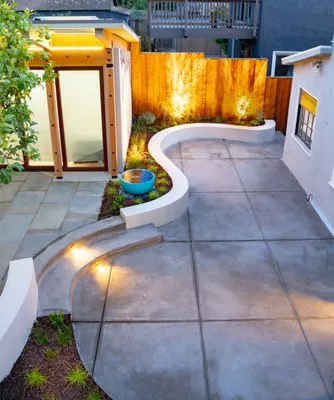
Wildwood Landscapes was founded by Elliot, a Bay Area native who grew up working in construction with his father. His formal education in landscape design and horticulture, combined with hands-on expe...
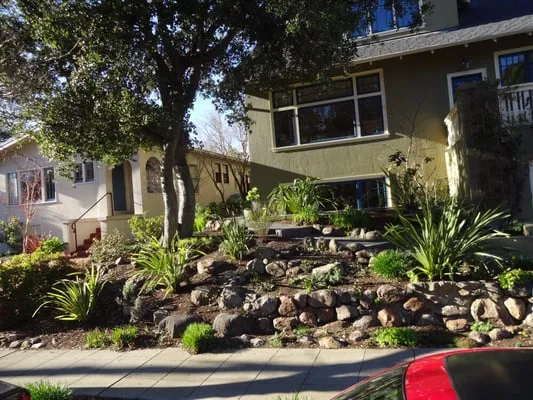
Sustainable Gardens provides professional landscaping and irrigation services rooted in ecological responsibility for El Cerrito homeowners. We prioritize practices that actively reduce fossil fuel us...
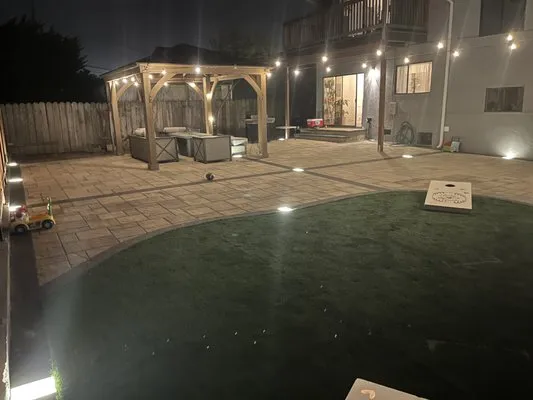
Westcoast Hardscape is a locally-owned hardscape contracting business in Antioch, CA, established in 2017. We specialize in creating custom outdoor spaces, including kitchens, patios, and fire pits, w...
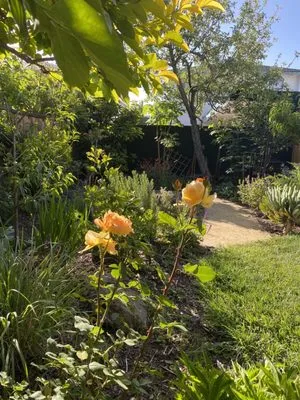
Home Grown Gardens is a licensed and insured landscaping and gardening service in Berkeley, CA, built on over two decades of expertise in Permaculture and Agroecology. We specialize in holistic garden...
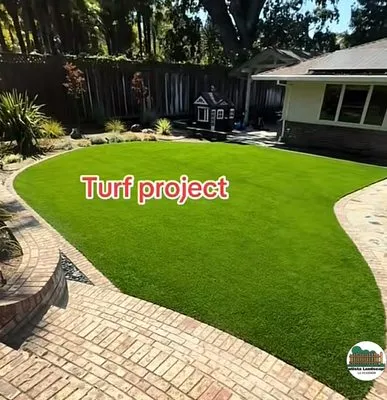
Bautista Landscaping serves Concord, CA, and surrounding communities with a comprehensive range of landscaping and property improvement services. As a licensed contractor, we specialize in hardscaping...
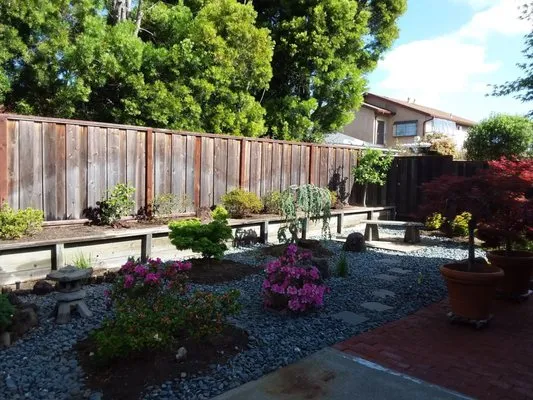
Katsura Landscaping, founded in Berkeley, began with a focus on lawn care and gardening. Recognizing the growing demand for more comprehensive outdoor solutions, the owner obtained a contractor's lice...
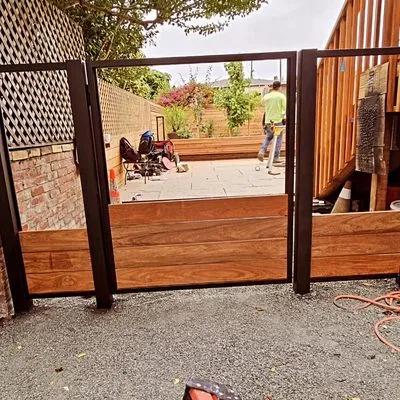
Aldeme Landscape & Construction is a trusted Hayward, CA-based company specializing in comprehensive outdoor solutions for residential and commercial properties. With expertise in landscaping, fences ...
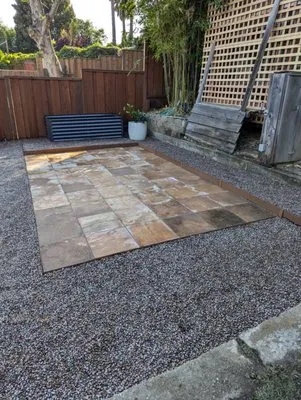
Johan's Landscaping Services is a Tracy-based landscaping company dedicated to transforming outdoor spaces into functional, beautiful extensions of your home. With expertise ranging from artificial tu...
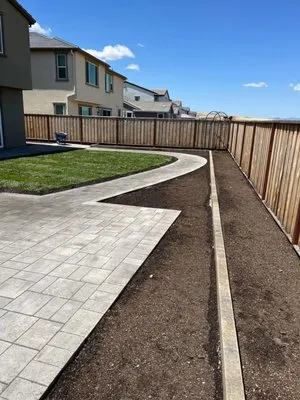
J & M Greenview is your Tracy-based partner for turning outdoor visions into reality. We specialize in a complete range of landscaping services, from hardscaping like custom patios, driveways, and ret...

Cruz A+ Remodeling is a licensed home improvement contractor serving Hayward and the entire Northern California area. With license #1097607, we specialize in residential projects including kitchen and...
Estimated Landscaping Service Costs in East Richmond Heights, CA
Common Questions
How quickly can you respond for an emergency storm cleanup to meet HOA compliance deadlines?
For urgent post-storm situations, our electric fleet is dispatched from our Wildcat Canyon Regional Park-adjacent hub. Routing via I-80 allows us to reach most East Richmond Heights properties within the 25-40 minute window typical during peak storm response. This rapid mobilization, using compliant electric chippers and haulers, ensures debris is cleared efficiently to mitigate erosion hazards and meet strict HOA landscape appearance covenants.
My yard gets soggy and I'm worried about slope erosion. What's the best solution?
Clay loam's slow permeability combined with East Richmond Heights' slopes creates a high risk for saturation and erosion. The primary fix involves installing subsurface drainage, such as French drains, to intercept water. Surface solutions include regrading to create swales and using permeable interlocking concrete pavers for patios and paths. These pavers significantly reduce runoff, helping projects meet Contra Costa County's strict stormwater management standards for new hardscape.
What permits and licensing are needed for a major backyard grading and drainage project?
Any significant grading or earthmoving on a 0.22-acre lot in East Richmond Heights requires a permit from the Contra Costa County Department of Conservation and Development to ensure slope stability and drainage plans meet code. The contractor must hold a C-27 Landscaping license or a C-12 Earthwork and Paving license from the CSLB. This licensing is legally mandatory, providing you with financial and performance bond protections for work exceeding $500 in labor and materials.
I've spotted invasive ivy and yellow star-thistle. How do I remove them safely?
Invasive species like these threaten local ecology and increase fire fuel. Manual removal, when possible, is best, ensuring all root material is extracted. For larger infestations, targeted, professional-grade herbicide applications are timed outside of the Regional Water Quality Control Board's blackout periods to protect watersheds. A follow-up regimen of soil amendment and planting with competitive natives like California Poppy helps prevent re-establishment.
Is there a more sustainable, lower-maintenance alternative to my traditional lawn?
Transitioning to a climate-adapted landscape using natives like Ceanothus, Salvia apiana, and Toyon is the definitive solution. These plants are deeply drought-adapted, require no chemical inputs, and provide superior habitat value. This shift drastically reduces water use, eliminates gas-powered mowing and blowing—aligning with local electric equipment ordinances—and builds a more resilient, fire-appropriate landscape for this Very High Fire Risk zone.
Why does my soil seem so compacted and hard to work with?
Soils in East Richmond Heights, largely developed in the 1950s, have had over 70 years to settle and compact. The prevalent clay loam naturally densifies over time, reducing permeability and root penetration. This legacy soil condition requires proactive management, specifically annual core aeration and the incorporation of composted organic matter to rebuild structure and microbial activity. Without these amendments, water infiltration is poor, leading to runoff and stressed plantings.
Can I keep my Tall Fescue lawn healthy under the current water restrictions?
Yes, with precise irrigation management. Modern Wi-Fi ET-based controllers are essential; they adjust watering schedules daily based on local evapotranspiration data, preventing overwatering. For clay loam soils, this means implementing short, frequent cycles to avoid runoff, ensuring deep soil penetration. This technology, paired with proper aeration, allows Tall Fescue to be maintained within Stage 2 voluntary conservation limits without sacrificing turf health.
Are permeable pavers a better choice than wood decking for my new patio?
For durability and fire safety, permeable interlocking concrete pavers are superior, especially in a Very High Fire Risk WUI zone. Unlike wood, they are non-combustible and contribute to a defensible space. Their permeability manages onsite stormwater runoff, a key county requirement. While the initial investment is higher, pavers offer a multi-decade lifespan with minimal maintenance, avoiding the rot, splintering, and termite issues common with wood in our climate.
