Top Landscaping Services in East Foothills, CA, 95127 | Compare & Call

There are 96 landscaping companies server in East Foothills CA
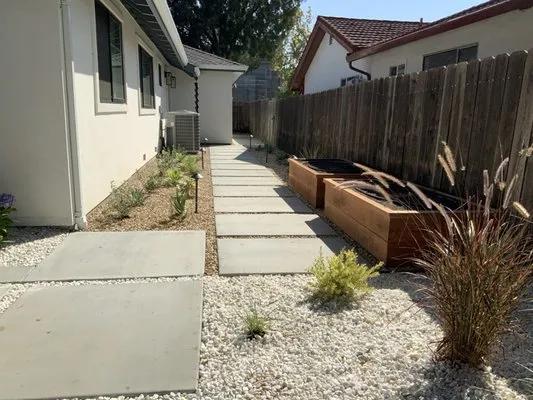
Vision LC Inc is a family-owned landscaping and hardscaping contractor serving San Jose and the greater Santa Clara Valley for over two decades. Founded and personally managed by Laurencio Trejo, the ...
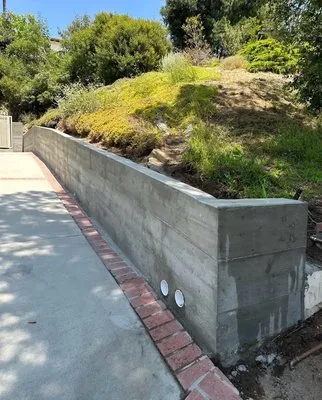
Milo Landscaping & Tree Service
Milo Landscaping & Tree Service is a San Jose-based team with a story that started in our own community. Founded when the owner was just 14 years old, our business grew from a deep-seated passion for ...
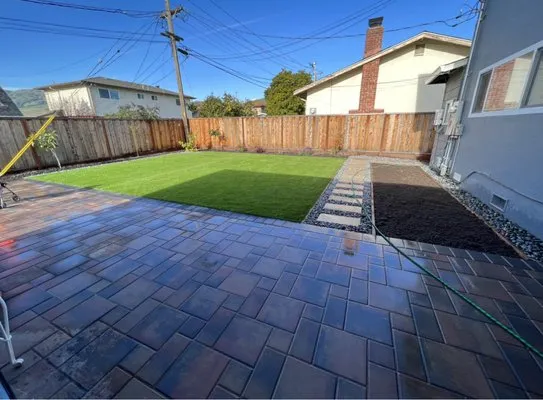
Solorio Landscaping is a San Jose-based landscaping business owned and operated by Gonzalo, who founded the company in 2015. With a genuine passion for helping the community, Gonzalo takes pride in se...
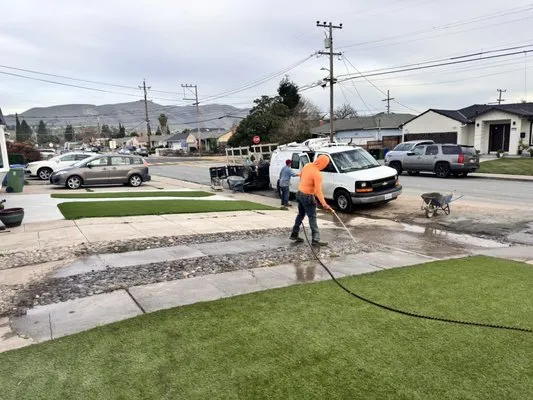
Founded in 2019 by a landscaper with over a decade of hands-on experience, Action Landscaping is a licensed, full-service construction company serving San Jose and the greater Bay Area. We specialize ...
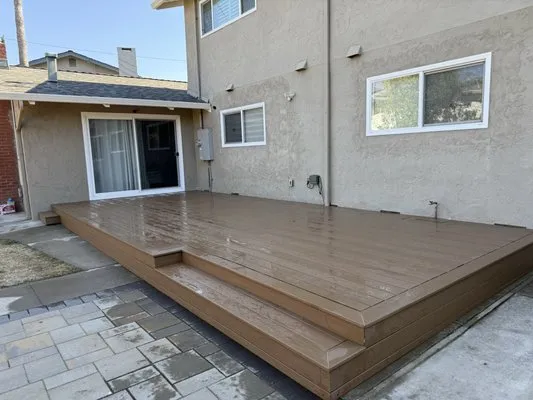
Emilio's Hardscape and Landscaping brings over 15 years of hands-on experience transforming outdoor spaces for homeowners in San Jose. Specializing in durable, low-maintenance installations like artif...
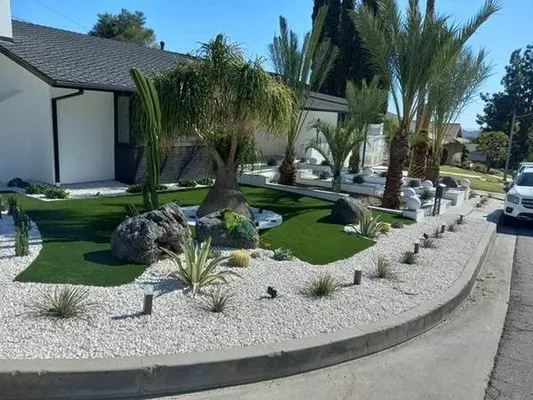
Mac's Landscape Yard Clean Up's is your trusted San Jose partner for transforming outdoor spaces. We specialize in comprehensive junk removal, hauling, and full-service landscaping, from initial desig...
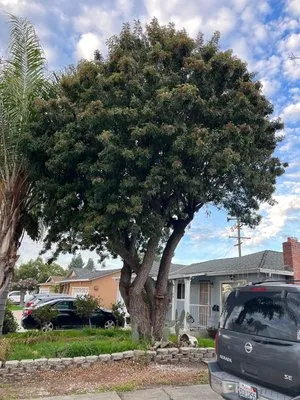
Landscaping Mendoza is a trusted tree care and landscaping company serving San José, CA. We specialize in comprehensive tree services and landscape maintenance to address common local issues like weed...
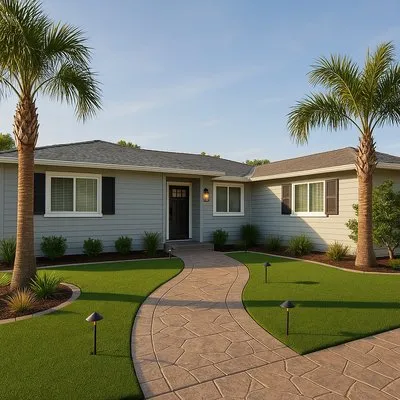
Paramount Landscaping
Paramount Landscaping is a family-owned San Jose business founded by Cesar, built on a commitment to safety, quality, and clean craftsmanship. Starting with basic tools and neighborhood clean-ups, we'...
R & J Landscaping has been serving San Jose and Silicon Valley since 1999, building a reputation for reliable, high-quality landscaping services. As a fully licensed, insured, and bonded company, we s...
R Rivera Landscaping is a San Jose-based business with nearly two decades of experience in landscaping, masonry, and deck construction. As the owner, I personally supervise every project, drawing on e...
Estimated Landscaping Service Costs in East Foothills, CA
Question Answers
What permits and licenses are needed for grading my 0.35-acre lot?
Grading projects on 0.35-acre lots require Santa Clara County Planning and Development permits for any cut/fill exceeding 50 cubic yards. Contractors must hold California Contractors State License Board classification C-27 for landscaping. This ensures proper engineering for slope stabilization and drainage compliance. Unlicensed grading risks fines up to $5,000 and mandatory restoration orders for unauthorized earth movement.
Can I maintain Tall Fescue turf under Stage 2 water restrictions?
Wi-Fi ET-based irrigation with drip zones maintains dwarf Tall Fescue within Stage 2 water shortage emergency limits. The system adjusts daily based on evapotranspiration data, reducing water use 30-40% compared to traditional sprinklers. We program separate zones for turf versus native plantings, with soil moisture sensors preventing overwatering. This approach preserves turf health while staying below municipal water allocation thresholds.
Why does my East Foothills soil feel so compacted and alkaline?
East Foothills properties average 68 years of development since 1958 construction, creating mature clay loam soil with pH 7.2-7.5. This alkaline compaction results from decades of irrigation without organic amendments. Alum Rock Foothills lots require annual core aeration to improve soil percolation and incorporate compost at 2-3 inches depth. Without these interventions, water infiltration rates drop below 0.5 inches per hour, stressing root systems.
What solutions prevent slope erosion on my clay loam property?
Clay loam soils in East Foothills exhibit high runoff rates, requiring engineered drainage solutions. Permeable concrete pavers installed with 6-8 inch gravel bases achieve 5-10 inches per hour infiltration rates. These systems meet Santa Clara County Planning and Development runoff standards while stabilizing slopes. French drains with cleanouts at 50-foot intervals provide additional protection against erosion during winter storms.
Are permeable pavers better than wood for fire safety?
Permeable concrete pavers provide superior fire resistance compared to wood decking in Very High fire risk zones. They maintain defensible space requirements under WUI Zone 2 compliance standards without combustible materials. Pavers withstand ember showers and require no chemical treatments that could violate fertilizer ordinances. Their 30+ year lifespan exceeds wood alternatives while supporting soil permeability for erosion control.
How quickly can you respond to storm damage for HOA compliance?
Emergency cleanup dispatch follows optimized routing from Alum Rock Park via I-680 to reach Alum Rock Foothills within 35-50 minutes during peak conditions. Our electric equipment fleet complies with San Jose noise ordinances while maintaining rapid response capability. We prioritize fallen branch removal and erosion control to meet HOA landscape standards within 24 hours of notification.
Should I replace high-maintenance turf with native plants?
Transitioning to California Poppy, Coast Live Oak, White Sage, Toyon, and Deergrass reduces maintenance frequency and water demand. Native plantings require no gas-powered equipment, aligning with electric-only landscaping mandates. These species support local pollinators while establishing fire-resistant landscapes. Over 3-5 years, native gardens use 75% less water than traditional turf systems in Zone 9b.
How do I control invasive species without phosphorus fertilizers?
Invasive species like French broom and yellow starthistle require targeted treatment without phosphorus applications. Mechanical removal during late winter dormancy prevents seed spread. For persistent infestations, we apply organic herbicides containing citric acid or clove oil, avoiding Bay Area Basin Plan blackout dates. Soil testing determines specific nutrient deficiencies before applying nitrogen-only amendments to support native plant recovery.
