Top Landscaping Services in Desert Edge, CA, 92241 | Compare & Call
There are 229 landscaping companies server in Desert Edge CA
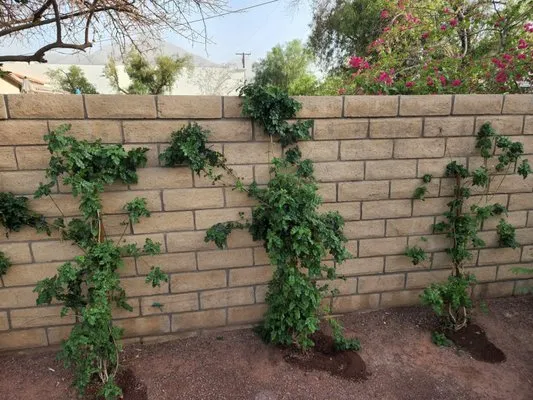
Desert Landscape Line is a family-owned and operated landscaping service based in Indio, CA, serving residential and commercial properties throughout the Coachella Valley. Licensed and insured, they s...
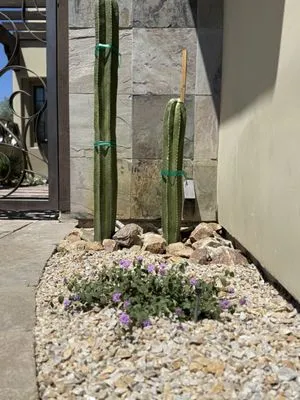
Frog's Gardening & Landscape Design has been a trusted part of the La Quinta and greater Coachella Valley community for over 25 years. We specialize in creating beautiful, functional, and sustainable ...
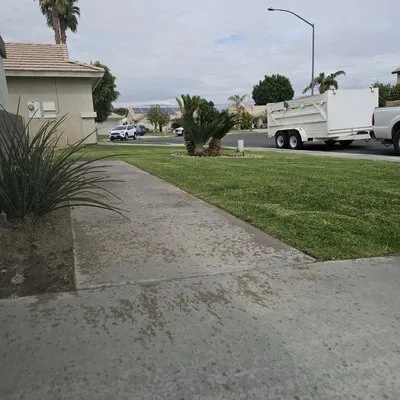
Del Villal Gardening has been transforming Cathedral City yards into beautiful, sustainable desert landscapes since 2010. Our passion for landscaping began in childhood, learning from family and devel...
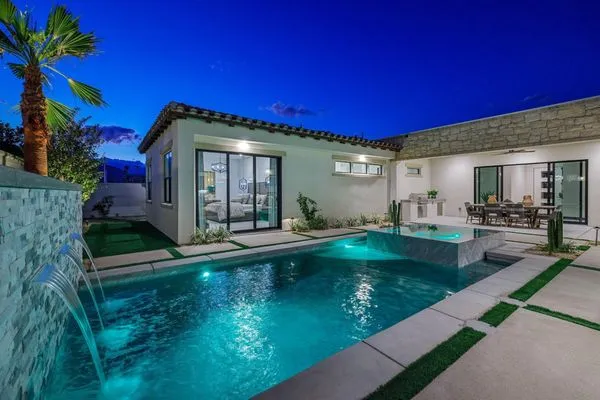
Melos Pools and Outdoors
Melos Pools and Outdoors is a family-owned and operated business in Palm Desert, CA, dedicated to creating and maintaining custom backyard waterscapes. Founded by Alberto and Gina Melo, the company is...
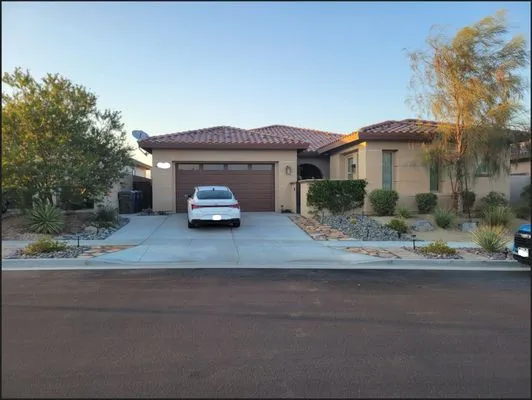
Soluna Landscape is a Coachella-based father-and-son team, Victor Sr. and Victor Jr., combining decades of hands-on craftsmanship with modern project management. With over 25 years of local landscapin...
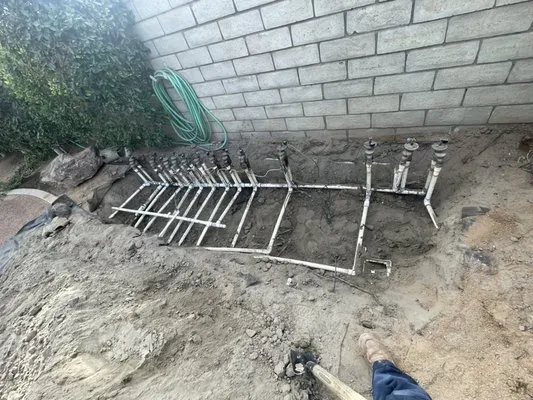
Affordable Irrigation Tech has been serving Cathedral City and the greater Coachella Valley for over a decade, providing reliable irrigation and landscaping solutions for both residential and commerci...
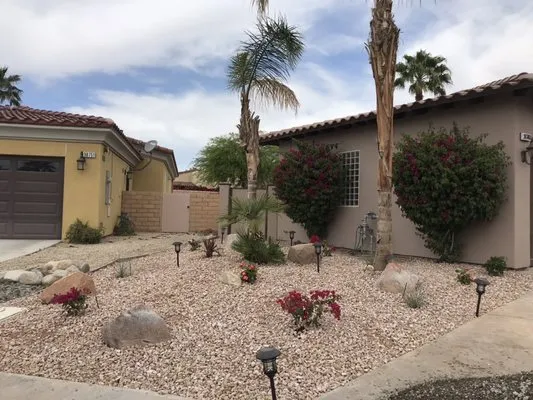
Desert Landscapers in La Quinta, CA is a locally owned and operated landscape company specializing in creating sustainable, beautiful outdoor spaces tailored to the unique desert environment. With dec...
Ferny's Landscape And Maintenance is your trusted, local Indio landscaping partner. We understand the unique challenges Coachella Valley properties face, from shifting rock gardens in our desert winds...
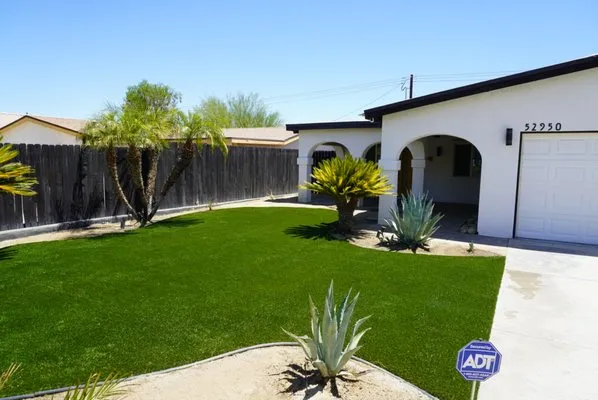
Macarios Tree Service is Thermal's trusted partner for comprehensive tree care and landscape management. We provide a full suite of services, from tree pruning and removal to shrub care, landscape des...
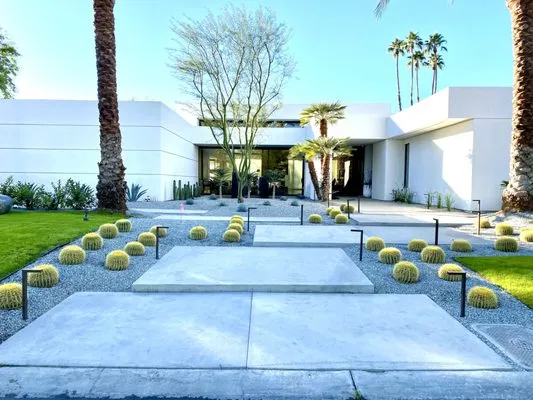
DesertScape Design, led by Palm Desert resident Ellen Yohai Sneider, brings a unique perspective to Coachella Valley landscaping. A graduate of the Rhode Island School of Design and a former professio...
Estimated Landscaping Service Costs in Desert Edge, CA
Common Questions
Is there a more sustainable, low-maintenance alternative to traditional turf?
Transitioning high-maintenance turf areas to a climate-adaptive xeriscape with natives like Desert Marigold, Brittlebush, and Desert Globemallow significantly reduces water, mowing, and chemical inputs. This approach future-proofs your landscape against tightening water regulations and the 2026 transition to electric-only equipment, as these plants require no gas-powered blowers or frequent mowing, supporting local biodiversity and soil health.
Why does the soil in my yard seem so compacted and lifeless?
Homes built around 1980 in Desert Edge Estates often have soil that has matured for 46 years without significant organic intervention. The alkaline sandy loam native to the area naturally compacts over decades, forming a sodic crust that restricts water percolation and root growth. Core aeration combined with incorporating composted organic matter is necessary to rebuild soil structure, lower the pH toward neutral, and support a healthy soil microbiome.
Is decomposed granite a better choice than wood for patios and paths?
Decomposed granite offers superior longevity and fire resilience compared to wood, which degrades and poses a fuel risk. Its permeable, compacted surface manages stormwater runoff effectively. For properties in Moderate Fire Wise WUI Zone 2, using non-combustible materials like decomposed granite for patios and paths within the first five feet of the home is a critical component of creating defensible space, as recommended by fire safety standards.
My yard floods and leaves a white crust. What's the solution?
The white crust is sodic soil, a common drainage hazard in our alkaline sandy loam where salts accumulate at the surface. High runoff occurs when water cannot infiltrate this crust. Regrading to create positive drainage into a dry well or bioswale is key. Using permeable materials like decomposed granite for pathways meets Desert Edge Planning Department runoff standards by allowing water to percolate and reduce surface flow.
What permits and licenses are required for a grading or landscape installation project?
Any significant grading, drainage alteration, or hardscape installation on a 0.22-acre lot typically requires a permit from the Desert Edge Planning & Community Development Department to ensure compliance with erosion control and runoff standards. The contractor must hold a valid C-27 Landscaping license from the California Contractors State License Board. This licensing is mandatory for projects involving irrigation system installation, structural retaining walls over 18 inches, or any work that modifies the land's contour, protecting you from liability and substandard work.
How quickly can a crew arrive for an HOA compliance or emergency storm cleanup?
For urgent HOA compliance or post-storm debris removal, our electric-only fleet can be dispatched from the Desert Edge Civic Plaza. Routing via CA-111 allows for a standard arrival window of 25-35 minutes to Desert Edge Estates during peak hours, ensuring rapid response to mitigate violations or safety hazards while adhering to residential noise ordinances.
How can I keep my TifTuf Bermuda healthy under Stage 2 water restrictions?
Stage 2 restrictions mandate a two-day-per-week schedule, which aligns well with Wi-Fi ET-based irrigation. This system uses real-time weather data to apply water only when the turf's evapotranspiration demand is high, typically in the early morning. Subsurface drip irrigation for planting beds targets roots directly, minimizing evaporation and runoff. This precise approach maintains turf health while conserving the municipal water allocation.
What invasive species should I watch for, and how do I treat them?
Fountain grass and tamarisk are high-priority invasive species that threaten native plant communities. Manual removal for young plants or targeted cut-and-paint herbicide applications for mature specimens are effective. All treatments must be scheduled outside the local fertilizer ordinance's summer nitrogen blackout dates to prevent nutrient runoff. Consistent monitoring and immediate action prevent these species from establishing and competing for scarce water resources.
