Top Landscaping Services in Davis, CA, 95616 | Compare & Call
There are 239 landscaping companies server in Davis CA

Turnkey Landscapes is a Sacramento-based landscaping company serving residential, HOA, and commercial properties throughout the region. We specialize in comprehensive landscape solutions, beginning wi...
Gardens of Eden Landscape
Gardens of Eden Landscape is a trusted Benicia-based landscape architecture and design firm specializing in comprehensive solutions for local property owners. We address common local landscaping chall...
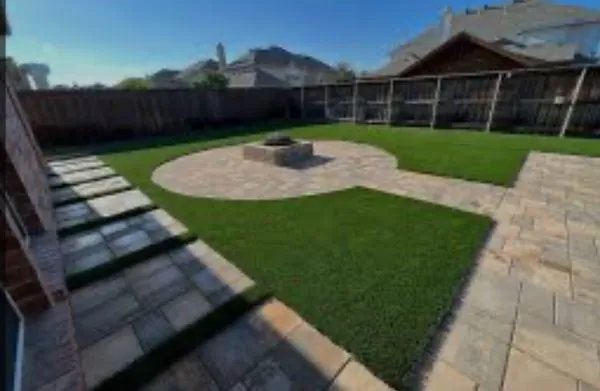
JP Landscating & Professional is a full-service landscaping company serving Sacramento and the surrounding areas. We specialize in diagnosing and solving the common irrigation and lawn health issues t...

Yard Boys Landscaping and Handyman Services is a locally owned and operated business serving Vacaville, CA, with reliable handyman and landscaping solutions. We focus on straightforward, quality work—...
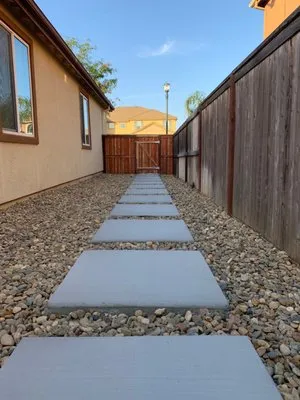
Isaac's Concrete is a professional landscaping, masonry, and fencing contractor serving Vacaville, CA, and surrounding Solano and Napa County areas. We specialize in a comprehensive range of outdoor s...

RolaPrime Landscaping is a locally owned and operated Sacramento company dedicated to elevating your property's curb appeal through precision and professionalism. We provide reliable, on-time service ...
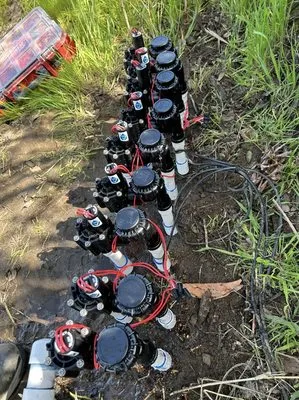
Valley Springs Irrigation has been a trusted irrigation specialist in Rocklin since 2012. With over 12 years of dedicated experience, we've honed our expertise in designing, constructing, and maintain...
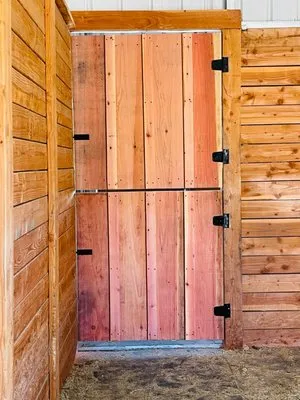
JG Landscaping & Pressure Washing is a trusted, full-service provider in Winters, CA, specializing in landscaping, fences, gates, and patio coverings. We help homeowners address common local issues li...
Founded in 1999 by Victor Alonso, Alonsos' Lawncare began as a family-owned operation dedicated to beautifying lawns in the Vacaville community. Our commitment to quality and professional care fueled ...
Estimated Landscaping Service Costs in Davis, CA
FAQs
What are the long-term benefits of replacing lawn with native plants in Davis?
Transitioning to a landscape featuring Valley Oak, Deergrass, and California Fuchsia establishes a climate-adapted system that requires minimal supplemental water once established. This xeriscape approach eliminates weekly mowing, aligning with the shift to quiet, electric-only maintenance and reducing carbon emissions. Native plantings support local pollinators and biodiversity, creating a resilient ecosystem that exceeds 2026 habitat corridor objectives.
Why does my soil in Old North Davis feel so compacted and why won't my plants grow?
Properties in this neighborhood were typically built around 1983, meaning the soil profile has matured for 43 years. The native Alkaline Clay Loam (pH 7.5-8.2) common here has undergone decades of standard maintenance, leading to severe compaction and reduced permeability. This limits root penetration and water infiltration. Annual core aeration combined with incorporating 2-3 inches of composted organic matter is essential to rebuild soil structure and biology.
How quickly can a crew respond for emergency storm cleanup to meet HOA compliance?
For urgent storm response in Old North Davis, dispatch from our Central Park staging area allows a route via I-80 for an estimated 20-30 minute arrival during peak conditions. Our electric-only maintenance fleet complies with the residential noise ordinance, enabling work within restricted hours. We prioritize triage for public safety hazards like downed limbs before addressing aesthetic compliance issues.
Are permeable pavers a better choice than wood decking for a patio in Davis?
Permeable Concrete Pavers offer superior longevity and functionality compared to wood in Zone 9b. They withstand summer heat without warping, manage stormwater runoff on-site, and require no chemical sealants. For properties in Moderate fire-risk zones, pavers provide a non-combustible, defensible space material that meets Urban Interface Standards. Their installation supports soil health by allowing water and air exchange at the surface.
How do I manage invasive weeds like Yellow Starthistle without harming my soil?
For invasive species like Yellow Starthistle, manual removal before seed set is most effective. Post-emergent, organic herbicides containing citric acid or clove oil can provide spot control without leaving persistent residues. These methods avoid nitrate discharge, complying with the city's Urban Stormwater Management Plan. Never apply synthetic herbicides during the rainy season to prevent groundwater contamination from our permeable clay soils.
My yard floods after winter rains; what's a permanent solution for heavy clay soil?
High runoff in Alkaline Clay Loam is a common drainage hazard requiring integrated solutions. Subsurface French drains channel water away from foundations, while grading creates positive slope. Replacing impervious surfaces with Permeable Concrete Pavers increases infiltration, helping projects meet City of Davis Community Development & Sustainability Department runoff standards. Amending soil with gypsum can gradually improve clay structure and permeability.
What permits and licenses are needed to regrade my 0.15-acre lot in Davis?
Regrading a 0.15-acre lot typically requires a permit from the City of Davis Community Development & Sustainability Department to ensure proper drainage and compliance with grading codes. The contractor must hold a C-27 Landscaping license or a C-12 Earthwork license from the Contractors State License Board (CSLB) for this work. This licensing guarantees training in erosion control and soil management, which is critical for preventing sediment runoff into the city's stormwater system.
Can I keep my Tall Fescue lawn healthy under Davis's Stage 2 water conservation rules?
Yes, preserving dwarf Tall Fescue under voluntary conservation mandates precise irrigation scheduling. Wi-Fi ET-based smart controllers are critical, as they adjust runtime daily using local evapotranspiration data from weather stations. This technology applies water only when the turf needs it, often reducing usage by 20-30% compared to fixed schedules. Deep, infrequent watering cycles encourage deeper root growth, improving drought resilience within municipal limits.
