Top Landscaping Services in Culver City, CA, 90016 | Compare & Call
There are 198 landscaping companies server in Culver City CA
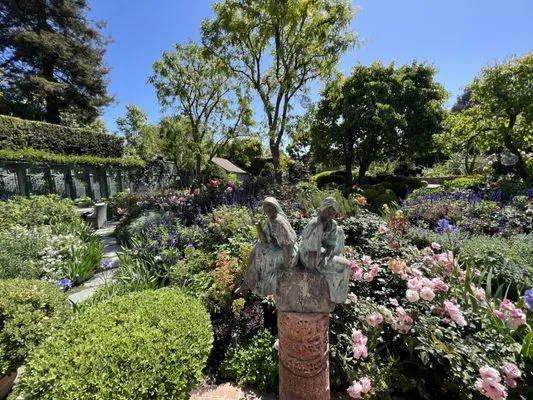
Cali Gardening Services is a licensed landscaping company serving Los Angeles since 2020, specializing in custom garden installations and comprehensive maintenance. We transform outdoor spaces into pe...
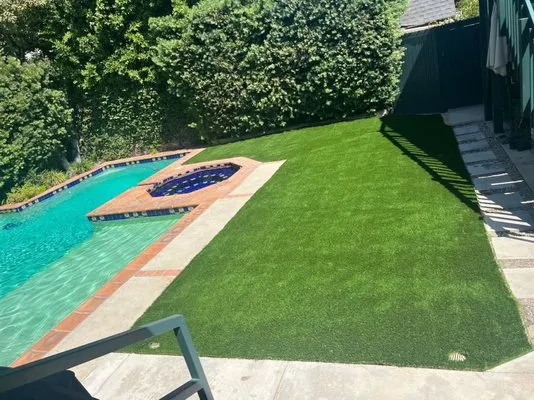
Carlos Landscaping provides expert landscaping, artificial turf, and masonry services throughout Los Angeles. We understand the specific challenges LA homeowners face, such as landscape slope erosion ...
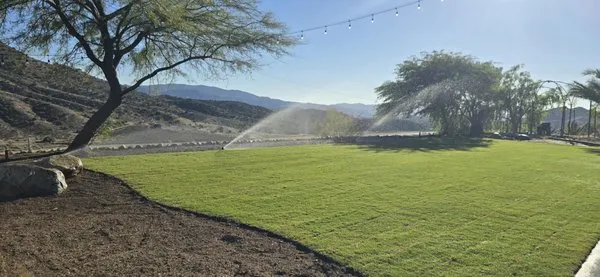
Paradise Landscaping and Gardening is a Glendale-based company dedicated to creating and maintaining beautiful, sustainable outdoor spaces for homes and businesses. With years of hands-on experience a...
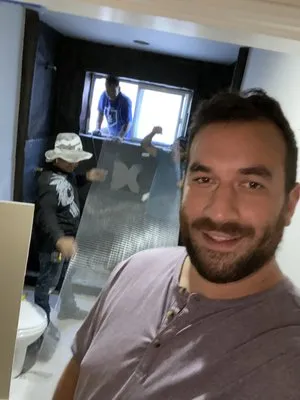
SJZ Construction & Remodeling
SJZ Construction & Remodeling is a locally owned and operated Playa Del Rey contractor, founded on a unique blend of hands-on building experience and professional financial discipline. Owner [Name] gr...
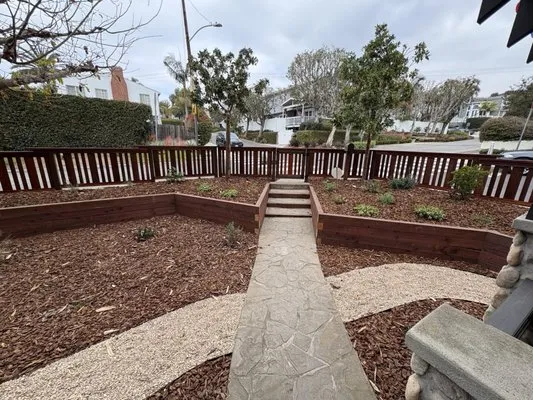
Helix Landscape Construction is a licensed and bonded landscaping company based in Hawthorne, CA, specializing in water-efficient designs and installations tailored to California's climate. We focus o...
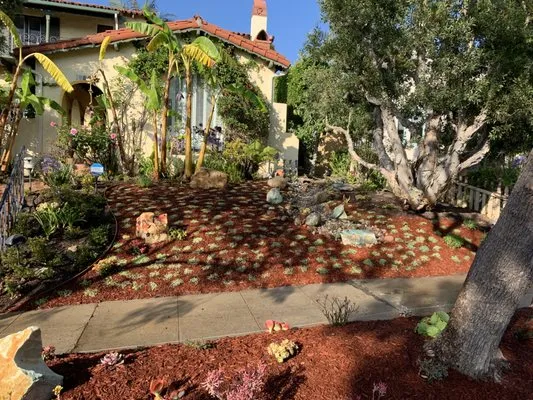
J & Son Landscaping is a family-owned landscaping and design firm serving Los Angeles, CA, with over 20 years of experience transforming outdoor spaces. We specialize in comprehensive landscape constr...
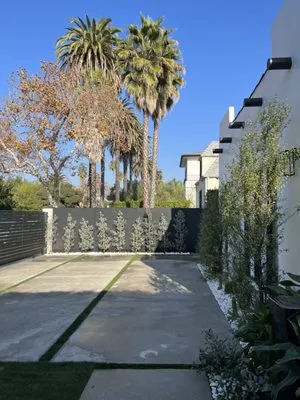
General Grounds Landscaping
General Grounds Landscaping is a Los Angeles-based team dedicated to creating and maintaining functional, beautiful outdoor spaces that thrive in our unique climate. We approach every project as a col...
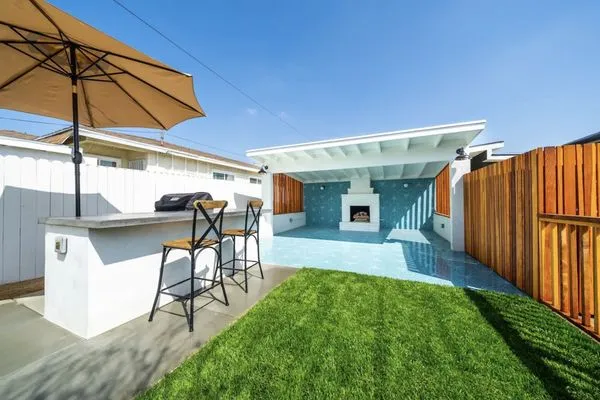
First Point Landscapes is a Los Angeles-based landscaping company specializing in creating functional and stylish outdoor spaces. We combine artificial turf installation, masonry work, and landscape c...
Nick House Gardening brings decades of hands-on experience to Los Angeles, starting with childhood gardening alongside parents and growing into a Certified Master Gardener and Certified California Nat...
Al's Landscaping is a trusted, full-service landscaping company serving Playa Del Rey, CA, and the surrounding coastal communities. We specialize in transforming outdoor spaces with comprehensive serv...
Estimated Landscaping Service Costs in Culver City, CA
Q&A
Should I replace my high-maintenance lawn with native plants?
Transitioning to California poppy, Cleveland sage, toyon, deer grass, and white sage reduces water needs by 70-90% while providing year-round habitat for local pollinators. These natives thrive in Zone 10b conditions without chemical inputs, aligning with electric-only maintenance mandates for gas-blower restrictions. Established native landscapes require only seasonal pruning and occasional supplemental watering during extreme drought periods. Biodiversity increases naturally as these plants support local ecological networks.
What solutions address runoff issues in my compacted sandy loam soil?
Urban compaction in alkaline sandy loam creates high runoff during rain events, overwhelming municipal systems. Permeable concrete pavers installed with proper base materials allow 3-8 inches per hour infiltration rates, meeting Culver City Planning & Development Department standards. French drains connected to dry wells provide additional capacity for extreme events. Grading adjustments of just 2% slope can redirect 80% of surface water away from foundations.
Are permeable pavers better than wood for durability and fire safety?
Permeable concrete pavers offer 30+ year lifespans versus wood's 10-15 years in our Mediterranean climate, with minimal maintenance requirements. Their non-combustible nature supports Moderate Fire Wise ratings by creating defensible space around structures. Unlike wood, pavers don't require chemical treatments that could leach into soil during rain events. Proper installation includes expansion joints that accommodate soil movement without cracking, maintaining both function and aesthetic appeal.
How do I maintain healthy turf under Stage 2 water restrictions?
Wi-Fi ET-based weather sensing irrigation calculates evapotranspiration rates specific to your microclimate, reducing water use 20-40% while preserving St. Augustine or Kurapia groundcover. These systems adjust daily based on temperature, humidity, and wind data, staying within municipal allocation limits. Deep, infrequent watering encourages deeper root growth and drought resilience. Monthly system audits prevent leaks and ensure uniform coverage across your 0.15-acre property.
What permits and licenses are needed for grading my 0.15-acre lot?
Grading exceeding 50 cubic yards on a 0.15-acre property requires a Culver City Planning & Development Department permit with engineered drainage plans. Contractors must hold California Contractors State License Board classification C-27 for landscaping or A for engineering. Unlicensed grading can result in fines up to $5,000 plus restoration costs. Professional licensing ensures compliance with slope stability calculations and erosion control measures during the 65-year-old soil's disturbance.
How quickly can you respond to an emergency tree cleanup after a storm?
Emergency dispatch from The Culver Hotel via I-10 reaches most Culver City Arts District properties within 25-35 minutes during peak conditions. Our electric-only fleet complies with residential noise ordinances while maintaining rapid response capability. We prioritize safety assessments first, then implement debris removal protocols that meet HOA compliance standards. Communication updates occur every 15 minutes during active cleanup operations.
Why does my Culver City Arts District soil seem compacted and alkaline?
Properties built around 1961 have 65-year-old soil systems where alkaline sandy loam has become compacted from decades of foot traffic and limited organic input. This soil type naturally trends toward pH 7.5-8.2, which restricts nutrient availability for many non-native plants. Core aeration with compost amendments improves permeability and introduces beneficial microorganisms. Regular soil testing every 2-3 years helps monitor pH shifts and informs targeted organic matter applications.
How do I manage invasive species without violating fertilizer restrictions?
Common invasive alerts include fountain grass, ice plant, and tree of heaven, which compete with native vegetation for resources. Manual removal during dry periods prevents soil disturbance that could trigger erosion. Spot treatments with approved organic herbicides avoid Regional Water Board runoff violations during rain event blackouts. Solarization using clear plastic during summer months creates soil temperatures lethal to many invasive seeds without chemical intervention.
