Top Landscaping Services in Corte Madera, CA, 94925 | Compare & Call

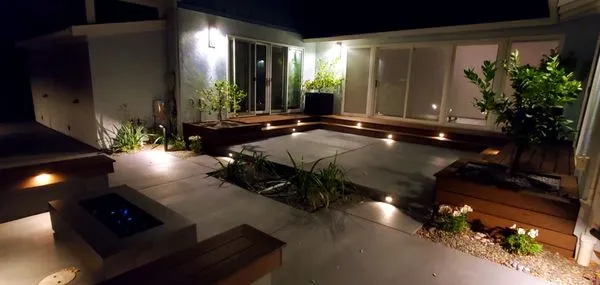
Bon Terra Landscapes
Bon Terra Landscapes is a Corte Madera-based, licensed design-build firm founded by Johnny Fort. His career path is rooted in environmental science, beginning with a BA in Urban Studies and work for t...
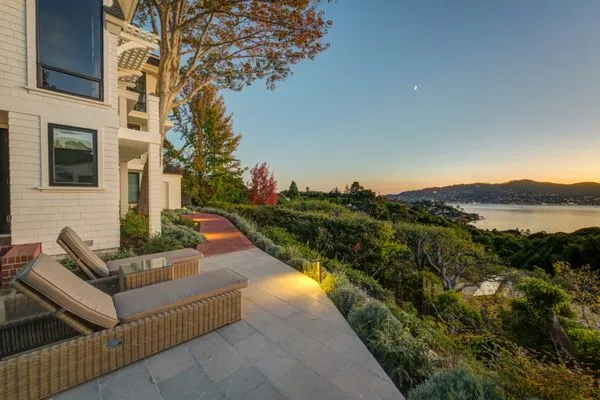
GLI NorCal Landscape Construction
GLI NorCal Landscape Construction is a Corte Madera-based, family-run landscape contractor with deep roots in the Bay Area. Founded by George Joe in the late 1980s and now led by his son, President an...
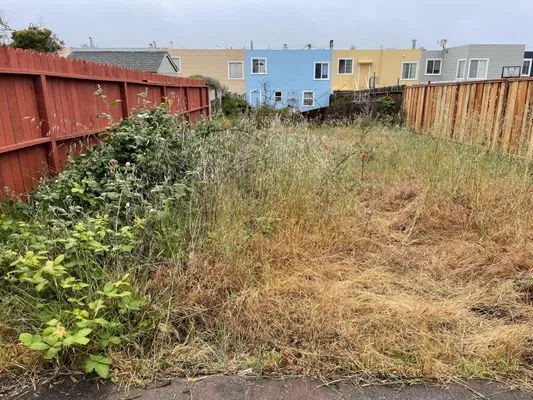
Luca's Landscape is a Corte Madera-based, full-service landscaping company dedicated to enhancing and maintaining Marin County's outdoor spaces. We specialize in resolving common local issues like poo...
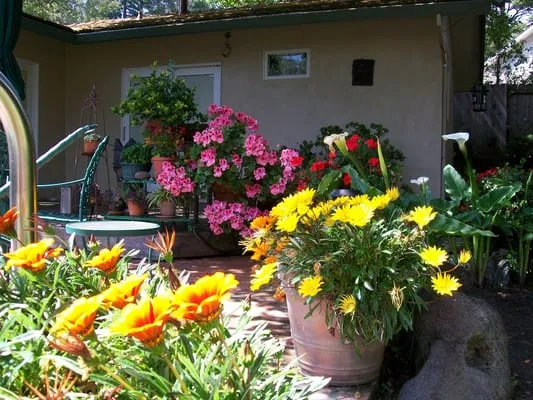
King's Gardens brings over 15 years of dedicated experience to the landscapes of Corte Madera and the greater Bay Area. The owner's journey began with formal training under established design firms, h...
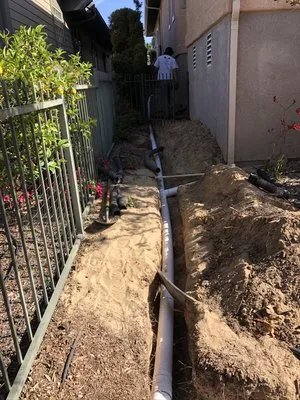
B&T Property Maintenance is a Corte Madera-based company specializing in comprehensive property care, including tree services, junk removal, and landscaping. We help local homeowners address common la...
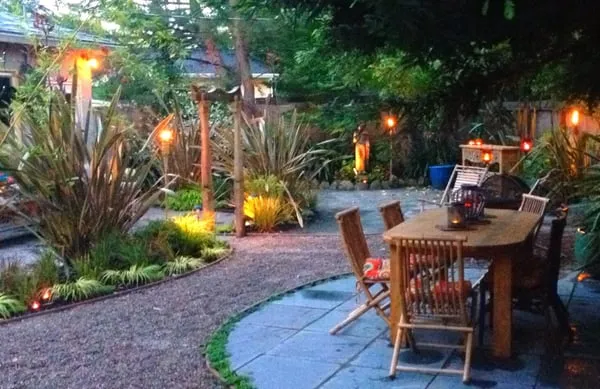
Farnsworth Landscaping provides Corte Madera homeowners with comprehensive landscape design, maintenance, and expert tree care. We understand that local irrigation systems, particularly timers and dri...
Common Questions
How do I control invasive species without using prohibited fertilizers during critical growth periods?
Targeted manual removal of French broom and Himalayan blackberry during late dormancy prevents seed set without chemical intervention. For persistent perennial weeds, spot applications of iron-based herbicides avoid phosphorus runoff concerns while Corte Madera's fertilizer ordinance remains active. Solarization during June-August uses clear plastic to raise soil temperatures to 110-120°F, eliminating weed seed banks biologically. These methods maintain soil health while preventing invasive species from outcompeting Toyon and Salvia mellifera plantings.
Can I maintain healthy turf while following Corte Madera's Stage 1 water conservation guidelines?
Wi-Fi ET-based smart controllers precisely match irrigation to actual evapotranspiration rates, reducing water use 20-30% compared to traditional schedules. These systems automatically adjust for Corte Madera's microclimate conditions, delivering 0.75-1 inch weekly to dwarf tall fescue varieties during peak season. Programming separate zones for sun-exposed versus shaded areas prevents overwatering while maintaining turf density. This approach meets municipal conservation targets without compromising the drought tolerance bred into modern turf cultivars.
Why choose permeable pavers over wood decking for outdoor living spaces in fire-prone areas?
Permeable concrete pavers provide non-combustible defensible space required in Very High Fire Hazard Severity Zones, unlike wood alternatives that contribute to fire spread. Their 50+ year lifespan withstands Corte Madera's wet-dry cycles without rotting or warping, maintaining critical clearance around structures. The modular installation allows for strategic placement of fire-resistant plantings within the hardscape pattern. This approach meets WUI Zone compliance standards while creating functional outdoor areas that don't require chemical treatments or frequent replacement.
How quickly can you respond to emergency storm damage that violates HOA landscape maintenance requirements?
Our electric maintenance fleet deploys from Corte Madera Town Center within 20 minutes during peak response scenarios. We route via US-101 to Christmas Tree Hill, arriving within the 20-30 minute window even during wet weather events. This rapid deployment addresses fallen branches, drainage blockages, and erosion control needs while complying with electric-only equipment mandates. We prioritize safety assessments before clearing debris to prevent secondary damage to structures or utilities.
What landscape alternatives reduce maintenance while preparing for stricter environmental regulations?
Transitioning to California poppy, coast live oak, and ceanothus plant communities creates self-sustaining ecosystems requiring minimal inputs. These natives survive on 15-20 inches of annual rainfall once established, eliminating irrigation needs beyond establishment periods. Their deep root systems stabilize slopes better than turf while providing habitat for local pollinators. This approach future-proofs properties against expanding electric equipment mandates and reduces carbon emissions from maintenance activities by 70-80%.
What licensing requirements apply to regrading my 0.22-acre property to improve drainage and stability?
Grading projects exceeding 50 cubic yards of earth movement require permits from the Corte Madera Planning & Building Department, with engineered plans for slopes over 10%. Contractors must hold C-27 Landscaping or C-12 Earthwork licenses from the California Contractors State License Board, as general handyman licenses don't cover structural earth modification. Professional geotechnical assessments become mandatory when modifying natural grade by more than 2 feet, particularly in Christmas Tree Hill's unstable soil conditions. These regulations prevent downstream erosion and protect adjacent properties from drainage impacts.
What solutions address slope instability and runoff issues common in our hilly neighborhood?
Clay loam soils in Christmas Tree Hill's sloping lots require engineered drainage systems to manage high runoff volumes. Permeable concrete pavers installed with 6-8 inches of open-graded aggregate base create 30-40% void space for water infiltration. This exceeds Corte Madera Planning & Building Department requirements by reducing peak flow rates 50-60% compared to impervious surfaces. French drains connected to dry wells provide additional subsurface management, particularly important where slopes exceed 15% grade.
Why does my Corte Madera yard have such dense, slow-draining soil that resists water penetration?
Christmas Tree Hill properties average 65 years of soil development since the 1961 construction era, creating mature clay loam with reduced permeability. This soil type naturally compacts over decades, limiting oxygen exchange and water infiltration to plant roots. Core aeration every 2-3 years introduces air channels while incorporating 2-3 inches of composted organic matter improves soil structure. These amendments increase microbial activity and cation exchange capacity, essential for nutrient availability in Corte Madera's pH 6.5-7.5 range.
