Top Landscaping Services in Colusa, CA, 95932 | Compare & Call

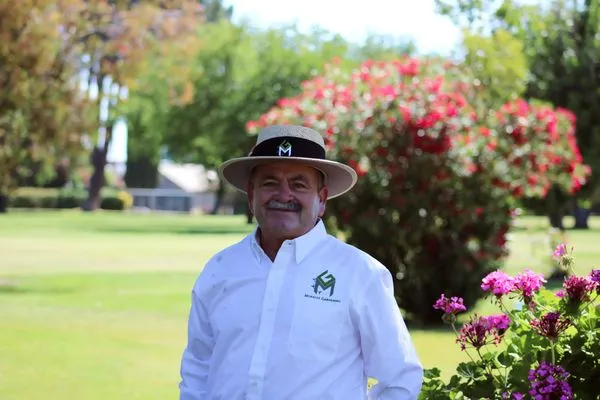
Morales Gardening & Landscape Construction
Morales Gardening & Landscape Construction is a full-service landscaping company serving Colusa and the surrounding areas. We specialize in comprehensive landscape design, construction, and ongoing ma...
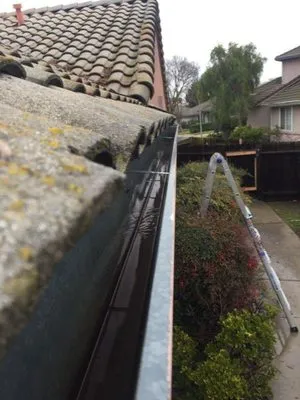
S&S Grass to Gutters is your trusted local provider in Colusa, CA, offering comprehensive outdoor solutions including gutter cleaning, lawn care, and tree services. We specialize in addressing common ...
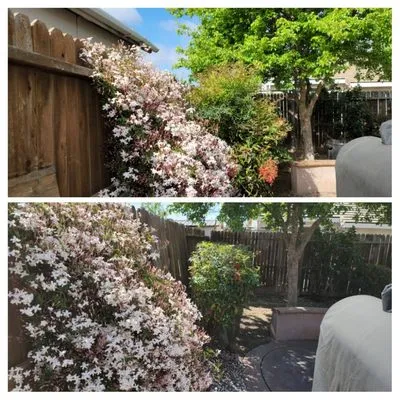
JLB Landscaping is a full-service landscaping company serving Colusa, CA, and the surrounding areas. We specialize in comprehensive landscape solutions, including earthmoving, irrigation design and re...

Genesis Landscaping is a trusted local landscaping company serving Colusa, CA, and the surrounding areas. We specialize in addressing common local landscaping challenges, particularly overwatered lawn...

For over 30 years, Organix Unlimited has been a trusted resource for gardeners, landscapers, and agricultural professionals in Colusa and the surrounding region. We maintain a substantial inventory fo...

Polder Landscaping serves Colusa, CA, with expert landscape design services tailored to our unique local environment. We specialize in resolving common area issues like poor lawn grading, which can le...
Q&A
I see yellow star thistle spreading in vacant lots. How do I protect my yard without harming the environment?
Yellow star thistle is a pervasive invasive alert in our region, capable of dominating pastures and open spaces. Effective protection requires precise timing and method. For small infestations, manual removal with a shovel before seed set in early summer is critical. For larger areas, a selective, post-emergent herbicide applied at the rosette stage in spring can be effective. A licensed applicator must perform this work to ensure herbicide use does not violate the local fertilizer and pesticide ordinance, which strictly prohibits direct discharge to storm drains. The goal is targeted eradication that preserves the soil biology and prevents further seed bank contribution.
My yard floods and stays soggy for days after rain. What's the root cause and a permanent fix?
Prolonged sogginess is a direct symptom of the high shrink-swell potential and extremely poor permeability of Willows Clay. Water cannot percolate through the dense soil profile, leading to surface ponding and potential foundation issues. A permanent fix involves reshaping the grade to direct water away from structures and installing subsurface French drains filled with gravel. For patios or walkways, specifying permeable hardscapes like loose decomposed granite, rather than solid concrete, is often required by the Colusa City Planning Department to meet stormwater runoff standards and mitigate localized flooding.
My lawn struggles in the dense clay, even with fertilizer. Is this just how things are in Downtown Colusa?
The Willows Clay soil common in Downtown Colusa has a high pH of 7.5-8.2 and poor structure, which is typical for lots developed around 1973. Over 50+ years, this soil has become compacted and depleted of organic matter, severely limiting root growth and water infiltration. The primary solution is not more fertilizer, but mechanical core aeration followed by amending with high-quality compost. This process physically breaks up the compaction and introduces organic material to improve soil tilth and microbial activity, creating a healthier foundation for any planting.
I want to regrade my 0.22-acre lot to fix drainage. What permits and contractor credentials are required?
Regrading a 0.22-acre lot is significant earthwork that triggers permit and licensing requirements. The Colusa City Planning Department must issue a grading permit to ensure the work complies with drainage and erosion control standards, especially given the soil's high shrink-swell potential. Legally, the contractor must hold a specific 'C-27' Landscaping license or a 'A' General Engineering license from the California Contractors State License Board (CSLB). Hiring a CSLB-licensed contractor is non-negotiable; it provides legal recourse, ensures proper insurance, and guarantees the work meets structural and environmental codes for a permanent fix.
With Stage 1 water conservation in effect, how do I keep my Tall Fescue healthy without overwatering?
Maintaining Tall Fescue under voluntary conservation requires precision. A Wi-Fi ET-based (Evapotranspiration) irrigation system is essential; it automatically adjusts watering schedules based on real-time weather data, applying water only when and where the turf needs it. This technology can reduce water use by 20-30% compared to traditional timers by accounting for daily temperature, humidity, wind, and solar radiation. Deep, infrequent watering cycles that align with early morning hours further promote deep root growth and maximize efficiency within municipal guidelines.
I'm tired of weekly mowing and blowing. What's a lower-maintenance, quieter alternative to my lawn?
Transitioning to a climate-adaptive xeriscape with native plants is the strategic solution. Replacing high-input Tall Fescue with a palette of Valley Oak, Western Redbud, California Poppy, and Deergrass drastically reduces water use, eliminates weekly mowing, and requires no gas-powered equipment, aligning with the trend toward electric maintenance fleets mandated by evolving noise ordinances.
A storm just knocked down a large limb. How quickly can a crew respond for an emergency cleanup?
For urgent storm response, a crew can typically be dispatched within 15-20 minutes during peak hours. The standard route from our dispatch near Colusa City Hall utilizes SR-20 for efficient access across the city. Our electric maintenance fleet complies with the local noise ordinance, allowing us to operate within the ͏highway, SR-20, for efficient access to Downtown neighborhoods. This rapid response is prioritized to clear hazards blocking driveways or threatening structures, ensuring compliance with local safety ordinances. All emergency vehicles are now electric-powered to operate within the 7am-7pm noise ordinance window without restriction.
Is decomposed granite a good choice for a new patio, or should I use wood?
Decomposed granite (DG) is a superior, long-term choice for our climate and fire risk profile. Unlike wood, which requires regular treatment and decays, DG is a mineral-based, inert material that stabilizes over time and requires virtually no maintenance. Its permeable nature aids in managing the high shrink-swell potential of the local clay soil by allowing water to infiltrate. Furthermore, in this Moderate (WUI Zone 2) fire-wise area, DG provides a non-combustible, defensible space material directly adjacent to the home, a critical safety consideration that wood cannot meet.
