Top Landscaping Services in Colton, CA, 92313 | Compare & Call

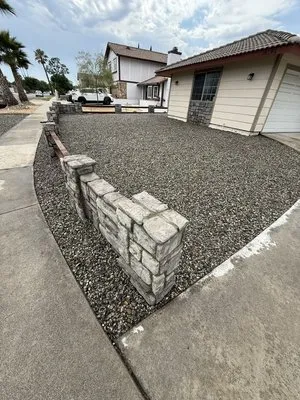
Newline Concrete & Pavers, owned by Juan Rodriguez, is a Colton-based hardscape and landscaping company serving the Inland Empire, Orange County, and Los Angeles. With over 15 years of hands-on experi...
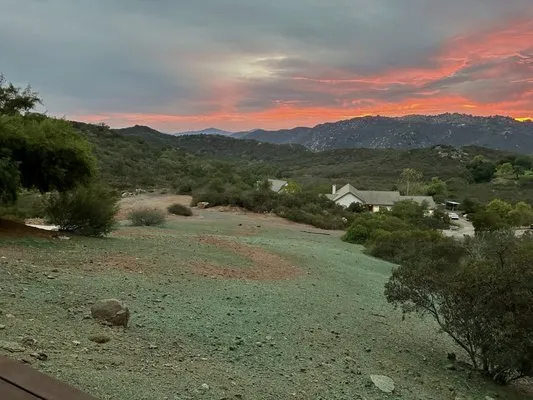
For over four decades, Mark Odell and Canyon Hydroseeding have provided reliable hydroseeding and erosion control services to Southern California. Based in Colton, this family-owned business specializ...
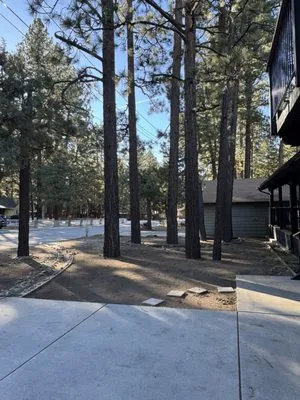
HVA Tree Care is a family-owned, licensed, and bonded tree service provider based in Colton, CA, with over 12 years of industry experience. Specializing in tree care, removal, stump grinding, and comp...
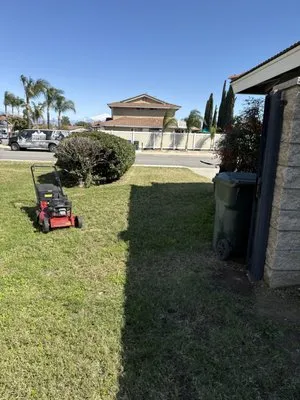
Lawn Ranger is a trusted lawn care service provider based in Colton, CA, specializing in comprehensive lawn maintenance and problem-solving for local homeowners. We understand that many Colton residen...
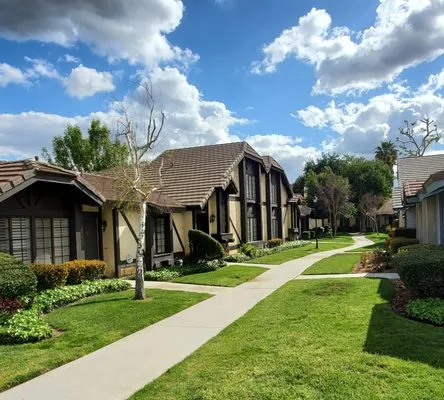
A P L Professional Landscapes
A P L Professional Landscapes is a licensed, bonded, and insured landscape, irrigation, and tree care company serving Colton and the surrounding Inland Empire. As a full-service provider, we handle ev...
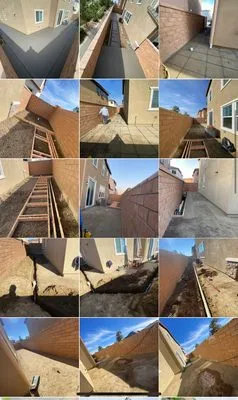
Green World Landscape is a trusted local landscaping company serving Colton, CA, and the surrounding Inland Empire. We specialize in diagnosing and fixing the most common landscaping problems in our a...
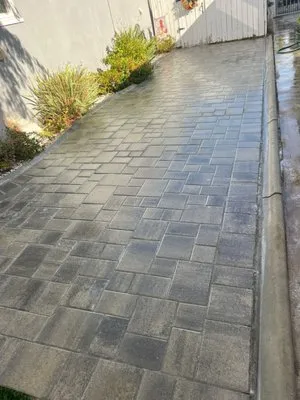
Green Leaf Remodeling is your trusted local contractor in Colton, CA, dedicated to enhancing homes and properties with quality renovations. We specialize in bathroom remodels, full home renovations, a...

New Beginnings Landscaping is a Colton-based landscaping company dedicated to transforming outdoor spaces for local homeowners. We specialize in addressing common local challenges like persistent weed...

Aldama's Gardening Service is a family-owned landscaping business serving Colton and the Inland Empire for over 30 years. Founded by Nicolas ""Nico"" Aldama, we specialize in residential and commercia...
Topcut Landscaping is a full-service landscaping company serving Colton, CA, specializing in comprehensive outdoor solutions. We offer everything from earthmoving and regrading to irrigation design, l...
Frequently Asked Questions
How quickly can you respond to an emergency cleanup for HOA compliance?
Emergency cleanups for HOA violations receive priority dispatch from our Colton City Hall operations center. We route via I-10 to reach La Loma Hills within 25-35 minutes during peak storm response windows. Our electric maintenance fleet operates quietly within noise ordinance restrictions, allowing immediate debris removal without violating gas-powered equipment hour limitations.
What permits and licenses are needed for grading my 0.16-acre lot?
Grading work on Colton's 0.16-acre standard lots requires a permit from the Colton Development Services Department to ensure proper drainage and slope stability. Contractors must hold a C-27 Landscaping license from the California Contractors State License Board, as grading alters soil structure and affects watershed management. Unlicensed grading risks fines and may void property insurance, particularly in erosion-prone areas like La Loma Hills.
How do I treat invasive species without violating fertilizer regulations?
Common invasive alerts in Colton include yellow starthistle and fountain grass, which compete with native vegetation. Mechanical removal during early growth stages avoids chemical treatments that might conflict with Santa Ana River Watershed N-P-K runoff mandates. For persistent infestations, targeted spot applications using organic herbicides can be timed outside municipal blackout dates to protect watershed health while eliminating invasives.
Why does my soil seem so compacted and alkaline in La Loma Hills?
Colton's La Loma Hills neighborhood has alkaline sandy loam soil with a pH of 7.9-8.2, typical of the region's geology. Homes built around 1977 have soil that has matured for nearly 50 years, developing compaction from decades of foot traffic and irrigation. This alkaline condition limits nutrient availability for many plants. Core aeration combined with organic amendments like composted manure can improve soil structure and microbial activity.
Are permeable concrete pavers better than wood for fire safety?
Permeable concrete pavers provide superior fire resistance compared to combustible wood materials, crucial in Colton's High WUI Zone where defensible space requirements mandate non-flammable hardscapes within 30 feet of structures. Concrete maintains structural integrity under extreme heat while creating firebreaks that slow wildfire progression. Their permeability also manages runoff without creating erosion channels that could compromise fire access routes.
How do I keep my Hybrid Bermuda turf healthy under Stage 2 water restrictions?
Smart Wi-Fi ET-based weather sensing controllers optimize irrigation by calculating evapotranspiration rates specific to Colton's microclimate. These systems adjust watering schedules daily based on temperature, humidity, and wind data, reducing water use by 20-30% while maintaining Tifway 419 Bermuda grass health. Deep, infrequent watering encourages deeper root growth that better withstands drought conditions under municipal conservation mandates.
What's the best solution for slope erosion on my property?
Alkaline sandy loam soils in Colton have high runoff potential, particularly on sloped La Loma Hills lots. Permeable concrete pavers installed with proper grading create infiltration zones that reduce erosion by allowing water to percolate into the soil matrix. This approach meets Colton Development Services Department runoff standards while preventing the gullying that damages foundations and landscape features during heavy rains.
Should I replace some turf with native plants to reduce maintenance?
Transitioning high-maintenance Hybrid Bermuda turf to California Poppy, Cleveland Sage, Desert Globemallow, and Deergrass creates a climate-adaptive xeriscape that requires 80% less water. These natives thrive in Colton's USDA Zone 9b conditions without weekly mowing, reducing dependence on gas-powered equipment ahead of tightening noise ordinances. Established native plantings also support local pollinator populations per 2026 biodiversity standards.
