Top Landscaping Services in Coarsegold, CA, 93614 | Compare & Call

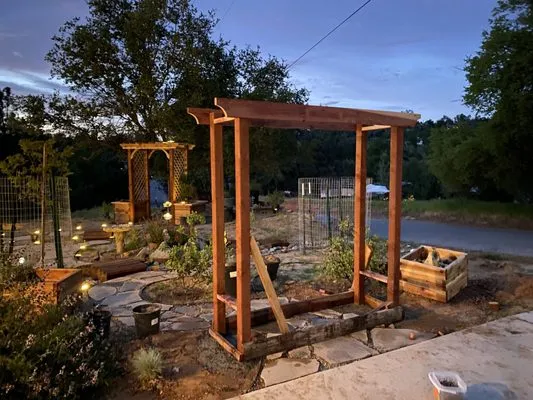
Utley & Sons Land Services is a family-owned landscaping business in Coarsegold, CA, founded by an owner with a background in the National Park Service and years maintaining Yosemite's grounds. This e...
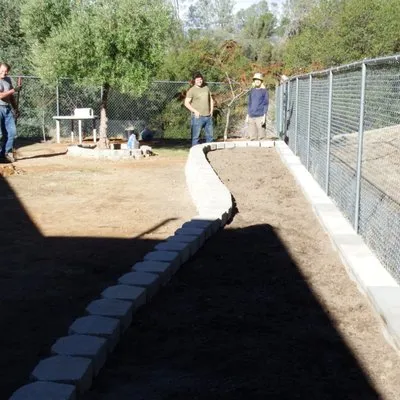
Haynes Landscaping
Haynes Landscaping is a locally owned and operated landscaping service in Coarsegold, CA, specializing in comprehensive landscape design, construction, and maintenance for both residential and commerc...

Buck-Dale Landscaping is your trusted local partner for all your outdoor needs in Coarsegold and the surrounding Sierra foothills. We specialize in creating and maintaining beautiful, functional lands...

Hank's Yard Care is a trusted local landscaping company serving Coarsegold, CA, specializing in gardening, lawn care, and tree services. Many homes in the area face common landscaping challenges like ...
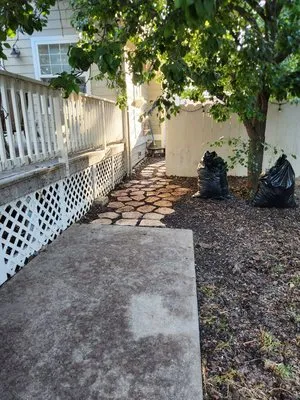
The Lawn Rangers, owned and operated by Franklin, is a local lawn care service based in Coarsegold, CA, proudly serving the Sierra Foothills region near Yosemite National Park. We are committed to del...
Weber Don Landscaping is a trusted, locally-owned landscaping company serving Coarsegold, CA, and the surrounding foothill communities. We understand the unique challenges homeowners face in our area,...
Robert and Martin Weed Wacking Services provides professional lawn care solutions for homeowners and businesses in Coarsegold, CA. As a local, family-operated business, we understand the unique challe...
All Green Landscape & Lawn Care is a trusted, local provider dedicated to maintaining and enhancing outdoor spaces in Coarsegold, CA. We understand the specific challenges homeowners face here, such a...
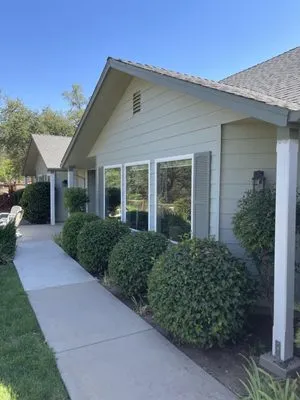
With over 35 years of experience in home remodeling, I’ve brought my meticulous approach to the natural beauty of Coarsegold. Now focused on working in nature, I offer quality lawn care and tree care ...
Mountain Man is your trusted local partner in Coarsegold, CA, specializing in landscaping, junk removal, and hauling services. We understand the unique challenges homeowners face in our area, such as ...
Frequently Asked Questions
With Stage 1 water restrictions, how do we keep a Tall Fescue lawn healthy without wasting water?
Smart Wi-Fi controllers with integrated evapotranspiration (ET) and soil moisture sensors are essential for compliance and conservation. These systems automatically adjust watering schedules based on real-time weather data and actual soil conditions, eliminating guesswork. This technology delivers precise hydration directly to the root zone of Turf-type Tall Fescue, maximizing efficiency. It is the most effective method for preserving turf while adhering to voluntary conservation measures and preparing for potential stricter future stages.
Do we need a permit to regrade part of our 2.5-acre lot for better drainage?
Yes, any significant earthmoving or grading on a parcel of this size typically requires a permit from the Madera County Community and Economic Development Department. The county reviews plans to ensure compliance with erosion control and stormwater management ordinances. This work must be performed by a contractor licensed by the California Contractors State License Board (CSLB), specifically holding an 'A' (General Engineering) or 'C-27' (Landscaping) license for the scope of the grading and drainage installation.
Our neighborhood's soil feels compacted and dry. Is that common for homes built around the late 1990s?
Yes, that is a direct result of soil age and local geology. Homes built in Coarsegold Village around 1997 have soils that are now nearly 30 years old. Original construction grading and three decades of foot traffic have significantly compacted the native Granitic Sandy Loam. This compaction reduces water infiltration and gas exchange, starving root zones. Core aeration and adding composted organic matter are required to restore permeability and support healthy microbial life in the root zone.
Is there a lower-maintenance alternative to my lawn that also handles the summer heat better?
Transitioning high-input turf to a climate-adapted landscape of native and Mediterranean plants is a strategic long-term solution. Species like Deergrass, California Buckeye, Western Redbud, and Foothill Penstemon are evolved for local conditions, requiring minimal summer irrigation once established. This conversion significantly reduces mowing frequency, aligning with evolving noise ordinances for gas-powered equipment. It also enhances biodiversity and provides superior habitat value compared to a monotypic lawn.
Water runs straight down our slopes, taking soil with it. What's a permanent solution for our property?
The rapid permeability of Granitic Sandy Loam, combined with slope, creates a high erosion risk. Solutions focus on slowing and capturing runoff. Installing a series of permeable check dams or dry creek beds using local Sierra Slate can disrupt water flow. For pathways, using Decomposed Granite (DG) instead of impervious concrete allows water to percolate. These strategies help manage runoff to meet Madera County's standards for erosion control on developed lots.
We've spotted yellow starthistle and tree-of-heaven on the property. How should we handle them?
Early and aggressive treatment of those invasive species is critical to prevent them from dominating your 2.5 acres. Management requires a tailored, multi-year plan combining mechanical removal and carefully timed herbicide applications. All chemical treatments must strictly follow statewide N-P-K runoff regulations, avoiding applications before forecasted rain events to prevent watershed contamination. For large infestations, especially near CA-41 where seeds spread, consulting a licensed pest control advisor is recommended.
How quickly can a crew respond for an urgent storm cleanup to meet HOA compliance deadlines?
Dispatch for an emergency cleanup from our base near the Coarsegold Historic Village typically follows CA-41, with a standard travel time of 45-60 minutes to most Village properties, factoring in post-storm traffic. Our electric maintenance fleet operates within the local 7 AM to 7 PM gas-powered equipment window without noise violations. We prioritize securing downed limbs and clearing drainage paths first to mitigate immediate erosion hazards on sloped lots.
We're adding a patio and want materials that last and reduce fire risk. Is wood a bad choice?
In Coarsegold's Extreme Fire Hazard Severity Zone (WUI Zone 3), selecting non-combustible hardscape materials is a core component of defensible space. Local Sierra Slate and Decomposed Granite (DG) are superior to wood for longevity and fire resistance. These materials do not contribute fuel and can help create the necessary non-flammable perimeter around structures. Their durability and minimal maintenance also provide better long-term value in this high-risk environment.
