Top Landscaping Services in Citrus Heights, CA, 95610 | Compare & Call

There are 228 landscaping companies server in Citrus Heights CA
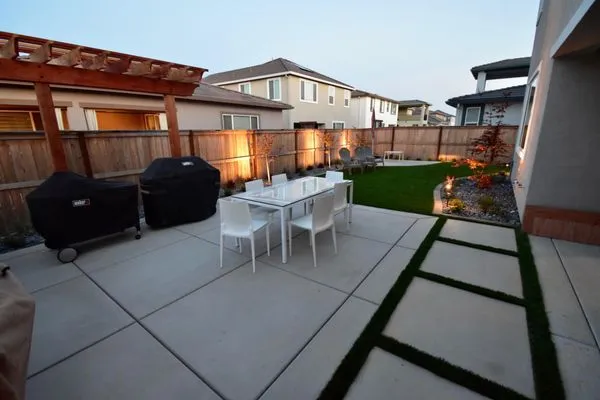
Stuteville Landscaping is a licensed and insured construction company serving the greater Sacramento area, dedicated to building outdoor spaces that last. We focus on a comprehensive approach, blendin...
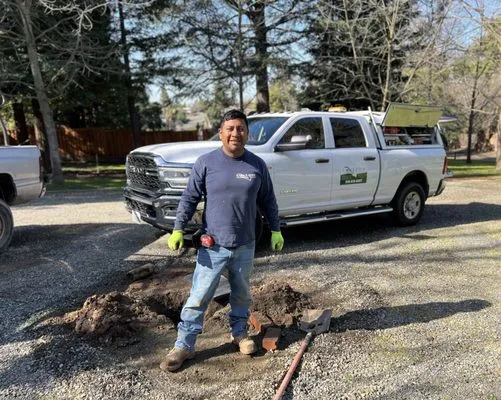
Eagleview Landscaping is a Sacramento-based landscaping and irrigation service founded by Eddie Perez, who brings over two decades of experience from his early work with Vista Landscaping. Inspired by...
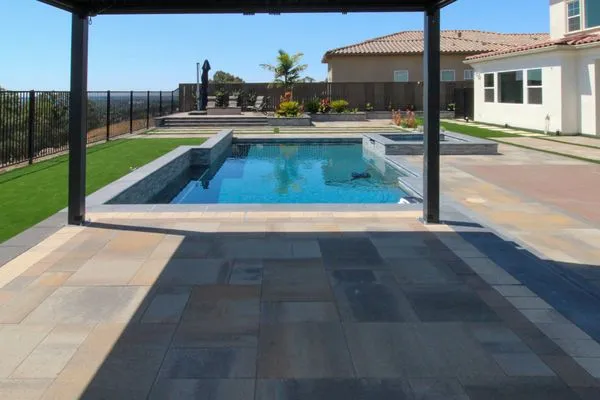
Advanced Pavers & Landscape
Advanced Pavers & Landscape is a licensed landscape and hardscape contractor serving Sacramento, CA, with over 20 years of experience creating custom outdoor spaces. We specialize in masonry, concrete...
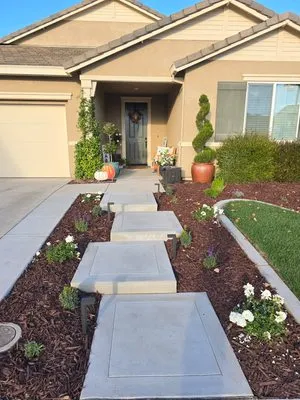
Caligreen Landscaping is a trusted, family-owned and operated business proudly serving Roseville and the greater Sacramento area since 2012. As a fully licensed and insured company, we specialize in c...
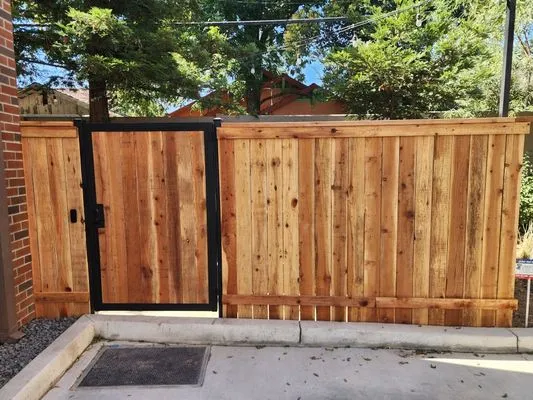
AD Landscape Service is a family-owned Sacramento landscaping company founded in 1991. Owner Antonio Dominguez learned the trade from his father, starting as a young helper and growing into a licensed...
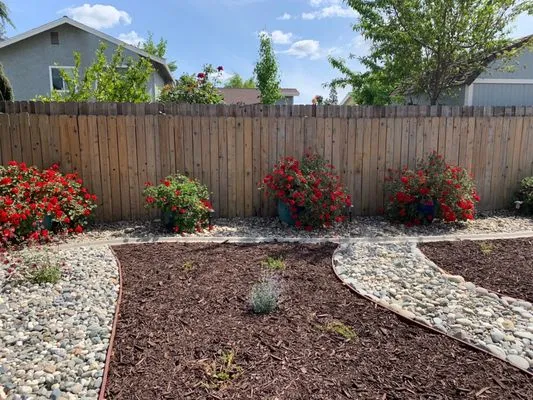
QD Landscaping is a trusted, full-service landscaping company serving Elk Grove and the surrounding area. We provide honest, reliable, and responsive service for projects of all sizes, from routine ma...
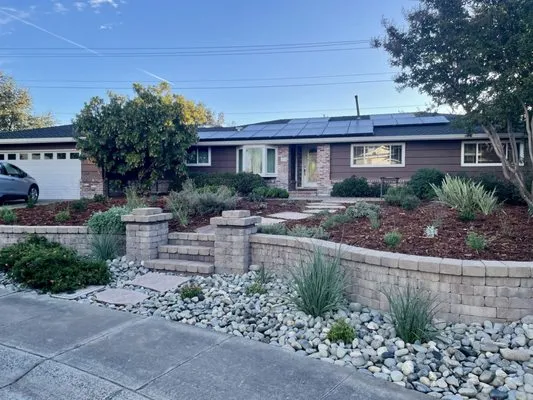
Genesis Landscapes is a Sacramento-based, woman and minority owned landscape design-build company founded on a passion for sustainable outdoor living. After earning a degree in Sustainable Environment...
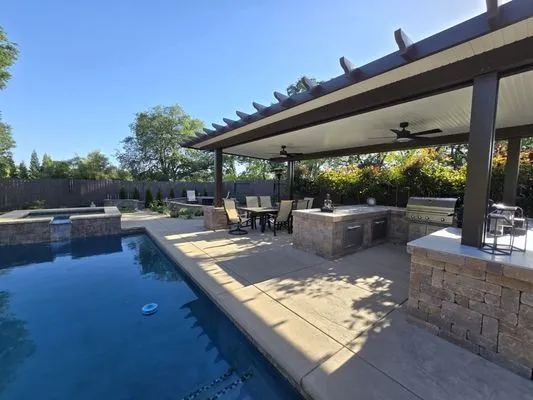
Reliable Landscaping And Design
Reliable Landscaping And Design is a licensed and insured company serving Roseville, CA, with over 15 years of experience transforming outdoor spaces. We specialize in bringing conceptual ideas to lif...
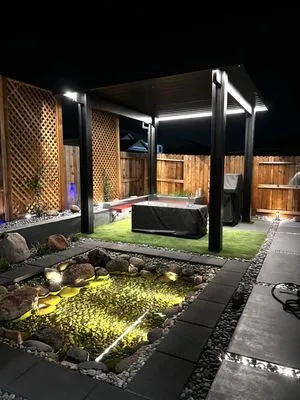
AVR Landscape is a licensed landscaping company in Fair Oaks, CA, specializing in comprehensive yard renovations for both front and back yards. Led by Aleksandr Ryndin, the team focuses on transformin...
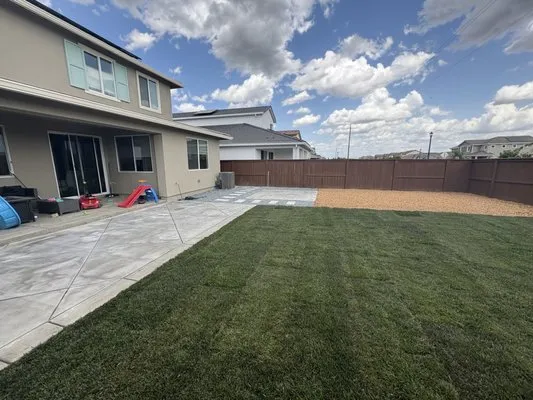
Since 1998, TLC Landscape Services has grown from a single truck with two people to a trusted local team of 12 with four trucks, serving homeowners and small businesses throughout Sacramento. Our foun...
Estimated Landscaping Service Costs in Citrus Heights, CA
Q&A
Are permeable pavers a better choice than wood for a new patio?
For durability and ecology, permeable concrete pavers are superior. Unlike wood, they do not rot, warp, or require chemical treatments, offering a decades-long lifespan with minimal upkeep. From a fire safety perspective, their non-combustible nature contributes directly to defensible space in this Moderate Fire Wise rated zone. They also manage onsite rainfall, reducing runoff volume and filtering pollutants.
How can I keep my Tall Fescue lawn green during water restrictions?
Effective irrigation under Stage 1 voluntary conservation requires precision. Wi-Fi ET-based weather-sensing controllers are the standard. They automatically adjust watering schedules by using local evapotranspiration data, applying water only when the turf needs it. This technology can reduce water use by 20-30% compared to traditional timers, maintaining your Dwarf Tall Fescue within municipal limits while preventing drought stress.
My yard floods after winter rains. What's the long-term solution?
Persistent pooling indicates the high clay content in San Joaquin Loam is preventing infiltration. The core fix involves improving soil permeability through aeration and amending with gypsum. For new installations, specifying permeable concrete pavers for patios or walkways allows stormwater to recharge the groundwater table directly. This approach often meets the Citrus Heights Planning Division's runoff management standards for residential projects.
How quickly can you respond to an emergency like a storm-damaged tree?
Our emergency dispatch for Citrus Heights prioritizes a 20-30 minute peak response window. For the Sunrise-Arcade neighborhood, our crews stage near Rusch Park for central access. From there, a route via I-80 ensures we can navigate most traffic conditions to reach your property rapidly. This protocol is designed for immediate HOA compliance or safety hazard mitigation following significant weather events.
My lawn in the Sunrise-Arcade area struggles to grow. Is the soil to blame?
Yes, soil maturity is likely a primary factor. Homes in this neighborhood, with an average construction date of 1977, have soil that is 49 years old. The prevalent San Joaquin Loam has naturally high clay content, which becomes severely compacted over decades of standard lawn care. This compaction reduces soil percolation and oxygen levels, starving root systems. Core aeration and the addition of composted organic matter are essential to rebuild soil structure and biology for healthy plant growth.
What permits and licenses are needed for a backyard regrading project?
Any significant earth movement on a standard 0.19-acre lot typically requires a grading permit from the Citrus Heights Planning Division. The contractor performing the work must hold a relevant C-27 Landscaping or C-12 Earthwork license from the California Contractors State License Board. This licensing ensures they understand load-bearing calculations, proper compaction, and drainage law, protecting you from subsidence, flooding, and liability issues.
What are the biggest weed threats here, and how do I control them safely?
In Citrus Heights, watch for invasive grasses like Bermuda and annual weeds that exploit compacted soil. Safe treatment requires integrated methods: manual removal, targeted pre-emergent herbicides, and fostering dense native ground cover. Any product application must strictly follow the Regional Water Quality Control Board's MS4 compliance rules to prevent runoff into storm drains. We schedule treatments outside of forecasted rain to eliminate contamination risk.
I want a quieter, lower-maintenance yard. What should I plant?
Transitioning to a climate-adaptive landscape with California natives is the optimal path. Species like Western Redbud, Deergrass, and Ceanothus are deeply rooted, requiring minimal water once established and no weekly mowing. This shift reduces dependency on gas-powered equipment, aligning with evolving noise ordinances that restrict blower and mower hours. It also creates a resilient habitat that supports local biodiversity.
