Top Landscaping Services in Chula Vista, CA, 91902 | Compare & Call
There are 230 landscaping companies server in Chula Vista CA
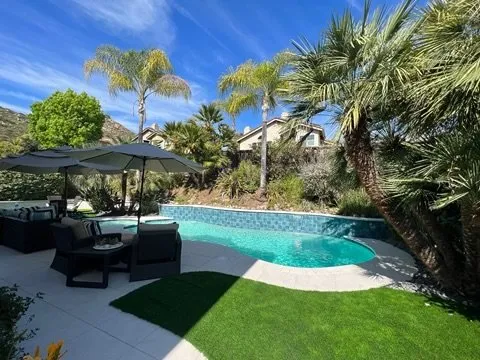
Quality Pools and Pavers
Quality Pools and Pavers is a licensed landscaping and pool renovation company serving El Cajon, CA, with over 25 years of experience transforming outdoor spaces. We specialize in comprehensive servic...
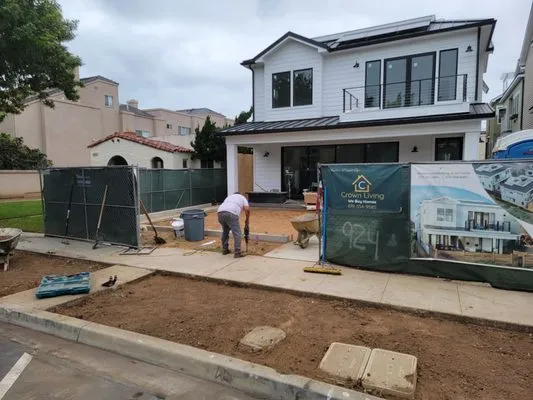
L&R Landscaping is a local, family-owned business serving homeowners and businesses in Chula Vista. We understand the unique challenges of landscaping in our area, including common issues like tree ro...
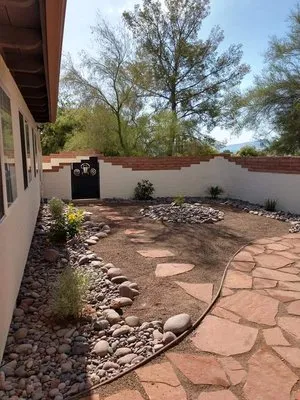
Scott Heyden Landscape is a dedicated San Diego landscaping company focused on resolving common local yard challenges. Many area homes struggle with issues like broken sprinkler heads and unsightly de...
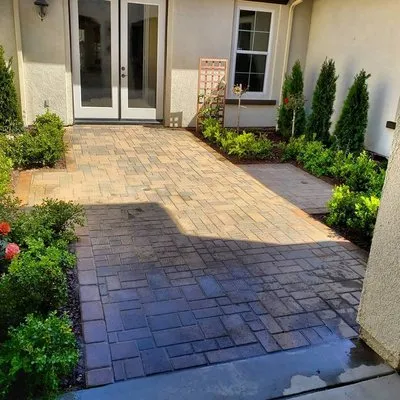
Silver Scapes in Vista, CA is a local landscape contractor founded and operated by Nate Nieto. Since 2014, Nate has applied his deep knowledge of San Diego County's unique terrain to deliver honest, f...
Since 1990, Bonita Valley Landscape has been the trusted name for landscaping and construction in National City and throughout San Diego County. Founded by Tomas, a professional with a deep passion fo...
E-Lawn is a family-operated landscaping and irrigation service in La Mesa, CA, founded during the pandemic with a commitment to sustainable practices. We use electric and human-powered equipment to pr...
Perez Landscaping is a San Diego-based company with deep roots in the local community. Founded by an individual with over seven years of hands-on experience in the industry, our team combines extensiv...
Landscape Specialties has been serving San Diego since 1982, founded by a dedicated sole proprietor who began as a gardener in 1976. With decades of hands-on experience, this family-oriented business ...
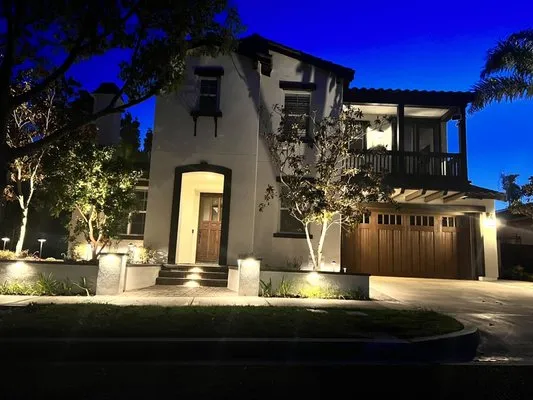
Nu Wave Outdoor is a family-owned hardscape and landscape company serving Carlsbad and all of San Diego County. Founded by brothers Justin and James Wilson, we bring over 20 years of combined experien...
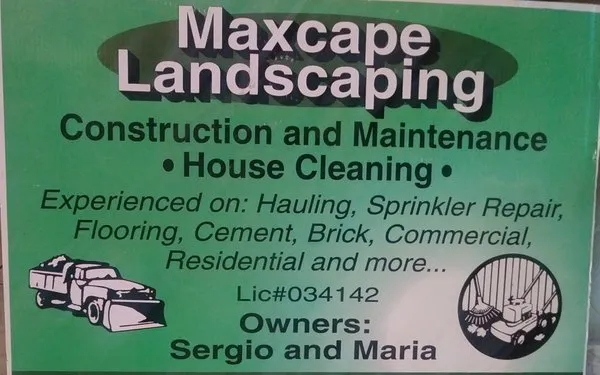
Maxscape Landscaping is a full-service landscaping company serving Chula Vista, CA. We handle everything from initial design and earthmoving to construction, installation, and ongoing maintenance. Our...
Estimated Landscaping Service Costs in Chula Vista, CA
FAQs
Are permeable pavers a better choice than wood for a new patio, considering fire safety and durability?
Permeable concrete pavers offer superior longevity and fire resilience compared to wood in Chula Vista's climate. They do not decompose, warp, or require chemical treatments. For properties in Moderate Fire Wise zones, pavers create a non-combustible defensible space when installed correctly. Their permeability also addresses drainage mandates, making them a multifunctional investment for both safety and compliance.
What licenses and permits are needed for a grading and drainage project on my 0.15-acre lot?
Any significant grading or drainage alteration requires a permit from the Chula Vista Development Services Department. The contractor must hold a C-27 Landscaping or C-61/D-06 Concrete license from the California CSLB. This ensures they are bonded, insured, and knowledgeable about local soil stability and runoff codes. Unlicensed work risks fines and can lead to improper drainage that affects neighboring properties.
How quickly can you respond for an emergency storm cleanup to meet HOA compliance deadlines?
Our electric fleet is dispatched from near the Chula Vista Elite Athlete Training Center, using SR-125 for direct access to Otay Ranch. We maintain a peak storm response window of 25-35 minutes. This efficiency, combined with battery-powered equipment that complies with the city's gas-blower ordinance, allows for immediate debris removal and site stabilization to avoid HOA violations.
Why does the soil in my Otay Ranch yard feel so dense and hard to work with?
Homes built around 1986 in Chula Vista were often constructed on compacted subsoil, leading to alkaline clay loam with low organic matter. Over 40 years, this soil has matured into a dense, hydrophobic layer that resists water infiltration. Core aeration in early spring is critical to break up compaction, followed by amendments like composted woody mulch to improve soil structure and microbial life for healthier plant roots.
How can I keep my lawn green while following Chula Vista's current water restrictions?
Under Stage 2 water restrictions, precise irrigation is non-negotiable. Wi-Fi ET-based controllers adjust watering schedules daily using local evapotranspiration data, applying water only when needed. For St. Augustine or TifTuf Bermuda, this means deep, infrequent cycles that encourage drought tolerance while staying within allotments. Properly calibrated, these systems can reduce outdoor water use by 20-30% without compromising turf health.
What invasive weeds should I watch for, and how do I manage them safely here?
Be alert for invasive grasses like Bermudagrass and woody pests like Mexican Fan Palm seedlings. Manual removal is preferred. For targeted herbicide use, select organic, non-synthetic products approved under the Urban Runoff Management Program, applying only during calm, dry periods to prevent drift into storm drains. Always adhere to label instructions and local blackout dates to protect watershed health.
My yard floods during winter rains. What's the best long-term solution for this clay soil?
Hydrophobic clay soils in our region create high runoff. The solution integrates grading for positive slope and installing subsurface French drains. For hardscapes, specify permeable concrete pavers, which allow water to percolate into the ground, reducing stormwater volume. This approach often meets the Chula Vista Development Services Department's standards for on-site infiltration and can mitigate foundational water pressure.
Is there a more sustainable alternative to my high-maintenance lawn that will save water and reduce noise?
Transitioning to a climate-adapted landscape with natives like California Lilac, White Sage, and Deergrass drastically reduces water, mowing, and blowing needs. These plants require minimal maintenance once established, aligning with the city's phase-out of gas-powered equipment. This shift not only conserves resources but also supports local pollinators and prepares your property for evolving water reliability standards.
