Top Landscaping Services in Ceres, CA, 95307 | Compare & Call
There are 212 landscaping companies server in Ceres CA
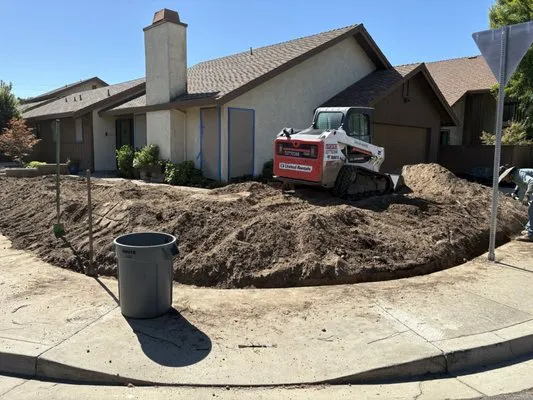
Valencia Landscape is a full-service outdoor company serving Ceres, CA, specializing in landscaping, masonry/concrete, and tree services. We handle everything from artificial turf installation and irr...
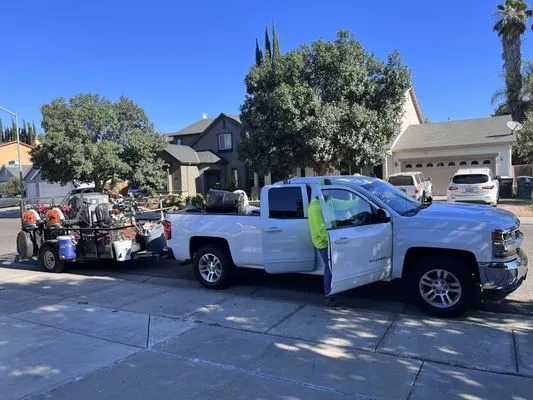
Schmid Landscaping is a licensed, family-owned landscaping service in Modesto, CA, with over 20 years of experience. Founded by Richard, who has a passion for keeping yards beautiful and well-maintain...
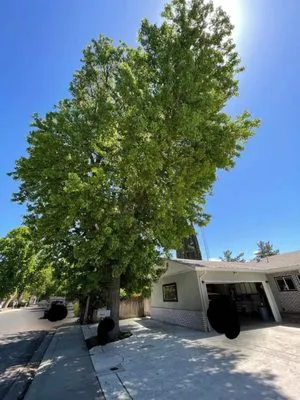
Cal Roots has been a trusted part of the Modesto community since 2013, built on a foundation of hands-on expertise and a genuine passion for the work. As the owner and a Certified Arborist with over 1...
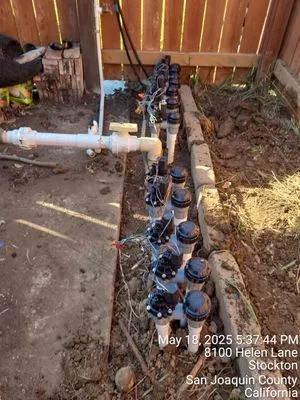
Ecoscape Landscaping is a family-owned and operated business serving Manteca, CA, with over 20 years of dedicated experience. Founded on the principle of building lasting relationships, we take the ti...
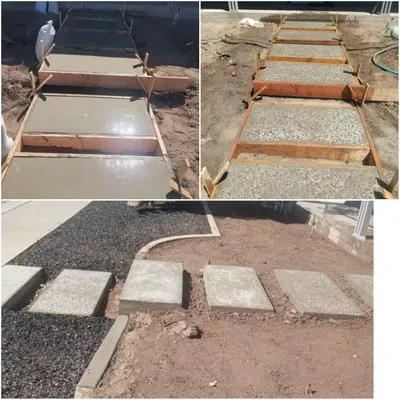
Handy Man Jose is a trusted local service provider in Modesto, CA, specializing in junk removal, landscaping, and handyman services. With over 10 years of experience, Jose offers reliable solutions fo...
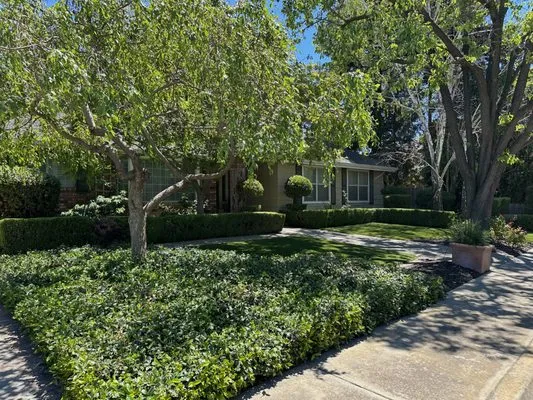
R & D Landscaping is a family-owned and locally rooted landscape design and construction company serving Turlock and the Central Valley. Founded by Turlock natives, father and son Robert and Eric Hern...
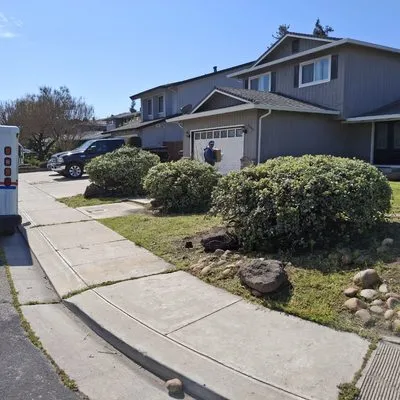
Olive Tree Landscape is a trusted Stockton, CA landscaping company specializing in comprehensive design and installation services to combat the area's common challenges of plant heat stress and bare l...
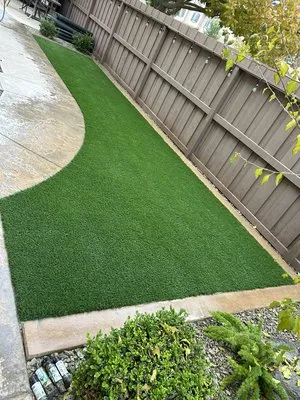
For over a decade, Macias Landscaping & Paving has been a trusted name in Ceres, building beautiful, functional outdoor spaces that last. We believe a job isn't done until the client is completely sat...
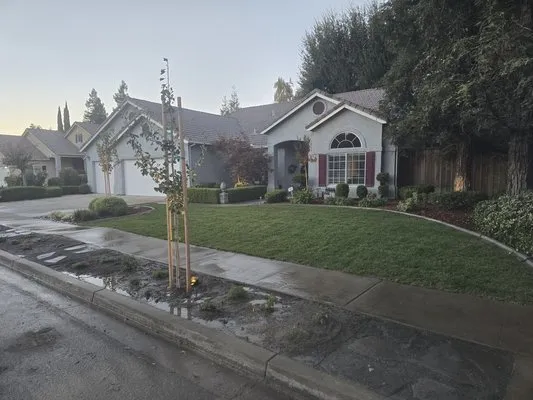
WolfPack EarthCare & Irrigation is a Modesto-based licensed landscape contractor dedicated to transforming outdoor spaces with expertise and care. Specializing in irrigation systems, sustainable edibl...
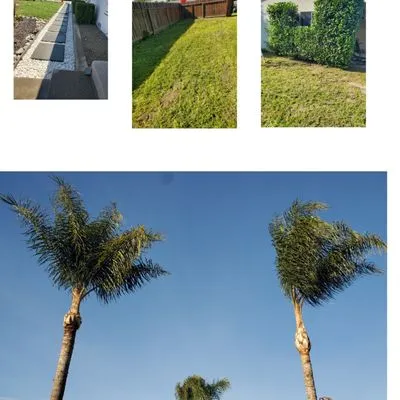
Negrete's Lawn Care & Landscaping is a trusted, locally-owned service provider in Hughson, CA, specializing in comprehensive lawn and tree care. We understand the unique challenges of the local climat...
Estimated Landscaping Service Costs in Ceres, CA
FAQs
Is there a lower-maintenance, quieter alternative to our high-water-use lawn?
Transitioning to a climate-adaptive xeriscape with California natives is a forward-looking strategy. Planting Western Redbud, Deergrass, and Narrowleaf Milkweed establishes a deep-rooted, resilient landscape that requires minimal supplemental water once established. This shift significantly reduces or eliminates the need for weekly mowing and gas-powered blowers, aligning with both water conservation goals and the city's transition toward electric equipment incentives for noise reduction.
What should we do about invasive bindweed or yellow starthistle taking over our planting beds?
Invasive species like bindweed outcompete natives and degrade soil health. Treatment requires a targeted, integrated approach. Manual removal before seed set is critical. For persistent issues, a precise, spot-applied herbicide may be necessary, but its use must be carefully timed to avoid the nutrient runoff mitigation blackout periods outlined in the Statewide Urban Water Management Plan. Always prioritize soil health by replanting cleared areas with aggressive native groundcovers to prevent re-establishment.
Our yard floods after winter rains. What's the best solution for our clay-heavy soil?
Poor drainage is a direct result of the low permeability in San Joaquin Loam. Surface water cannot infiltrate quickly, leading to pooling. The engineered solution combines subsurface French drains with surface grading to direct water away from foundations. Replacing impervious surfaces with permeable concrete pavers for patios or walkways also increases onsite infiltration, often a requirement to meet the Ceres Planning and Building Division's stormwater runoff management standards.
Why does our soil seem so compacted and difficult to grow in here in Whitmore Plaza?
Properties built around 1986, like many here, have mature soils that have settled for 40 years. The prevalent Delhi Sand and San Joaquin Loam have high clay content, which naturally compacts and reduces permeability over decades. This legacy condition limits root oxygen and water infiltration, creating a hardpan effect. Annual core aeration and amendments with composted organic matter are critical to rebuild soil structure and function.
What permits and contractor qualifications are needed to regrade our 0.15-acre lot?
Any significant grading that alters drainage patterns or contours on a 0.15-acre parcel typically requires a permit from the Ceres Planning and Building Division. The work must be performed by a contractor holding a relevant C-27 (Landscaping) or C-12 (Earthwork and Paving) license from the California Contractors State License Board (CSLB). This licensing ensures the professional carries required bonding and insurance, and possesses the technical knowledge to execute the work without causing downstream erosion or drainage issues for adjacent properties.
How fast can you respond for an HOA-mandated emergency cleanup after a major wind event?
For urgent compliance issues, we dispatch a crew from our staging area near Whitmore Park. Using CA-99 for primary access, we can typically reach most Whitmore Plaza addresses within 20-30 minutes during peak storm response windows. Our electric maintenance fleet operates within the local noise ordinance hours of 7 AM to 8 PM, allowing for immediate, compliant service to secure properties and clear debris from walkways and drives.
Are permeable pavers a better long-term choice than a wooden deck for our patio?
For longevity and low maintenance in Zone 9b, permeable concrete pavers are superior. They offer a stable, non-combustible surface that does not warp, rot, or require sealing, unlike wood. Their permeability manages stormwater onsite, a key infrastructure benefit. In a Moderate Fire Wise rated area, pavers also contribute to defensible space by providing a non-flammable zone adjacent to the structure, a prudent consideration for urban-wildland interface standards.
How do we keep our Tall Fescue lawn alive during Stage 2 water restrictions without wasting water?
Effective irrigation under voluntary conservation mandates precision. Wi-Fi ET-based weather sensing controllers are the standard solution, automatically adjusting runtime based on real-time evapotranspiration data from local weather stations. This technology applies water only when the landscape needs it, reducing usage by 15-30% compared to traditional timers. For Tall Fescue, deep, infrequent watering cycles that match soil percolation rates are key to maintaining turf health within municipal limits.
