Top Landscaping Services in Brea, CA, 92821 | Compare & Call

There are 230 landscaping companies server in Brea CA
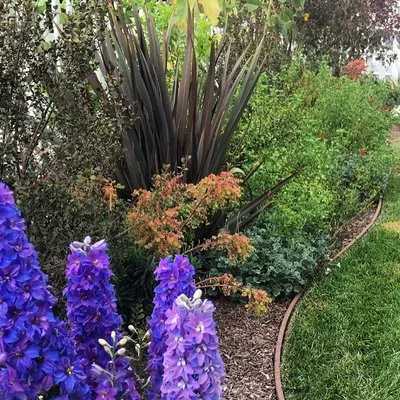
As a Master Gardener and lifelong garden enthusiast, Jennifer founded JW Garden & Design in 2013 to help Whittier homeowners create beautiful, functional outdoor spaces. Raised in a family of farmers ...
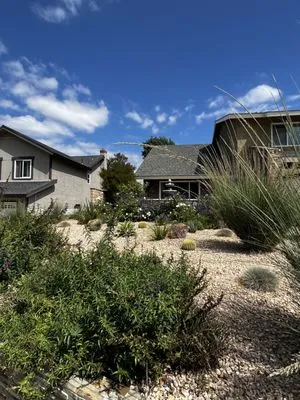
Growscapes in Tustin, CA, is a licensed landscaping company founded on a family legacy in the industry, with a mission to provide sustainable, eco-friendly alternatives. Specializing in drought-tolera...
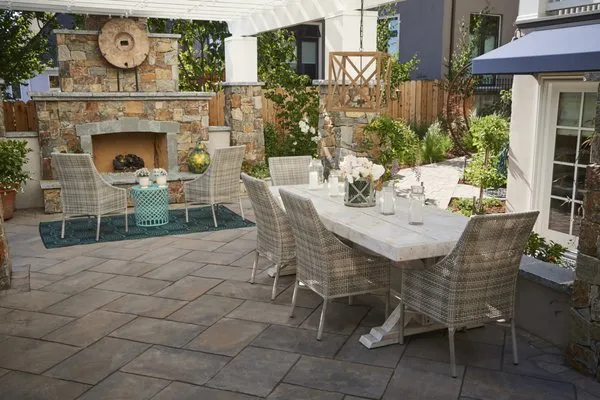
System Pavers
System Pavers in West Covina is part of a nationally recognized outdoor remodeling company with deep roots in California. We combine over 30 years of hands-on experience with a focus on creating durab...
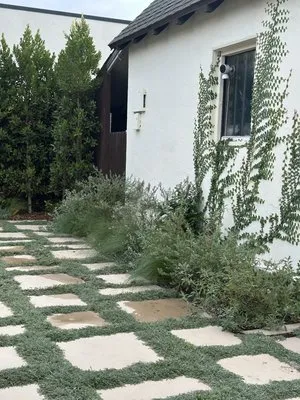
Union Landscape is a family-owned and operated landscaping business serving Pasadena and the surrounding areas. With over 32 years of combined experience as a father-and-son team, we bring deep-rooted...
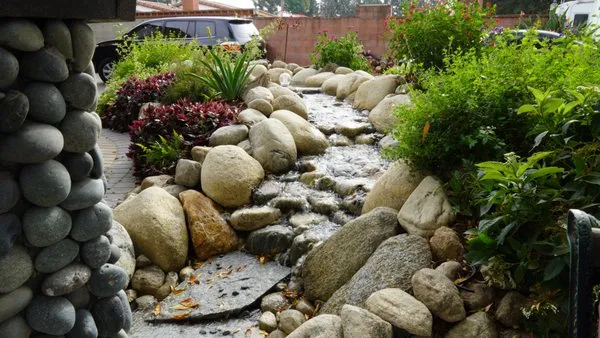
Scenic View Landscape is a licensed landscaping company serving Glendora, CA, with over 25 years of experience in custom hardscaping and softscaping. We specialize in transforming outdoor spaces into ...
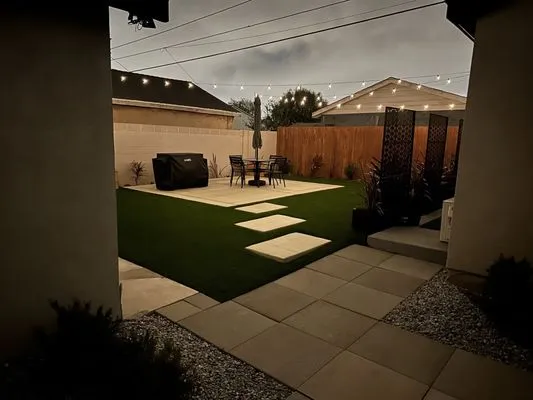
Hidden Gem Landscaping is a licensed and bonded landscaping company serving Paramount, CA, and surrounding areas since 2018. With over 20 years of combined industry experience, we specialize in compre...
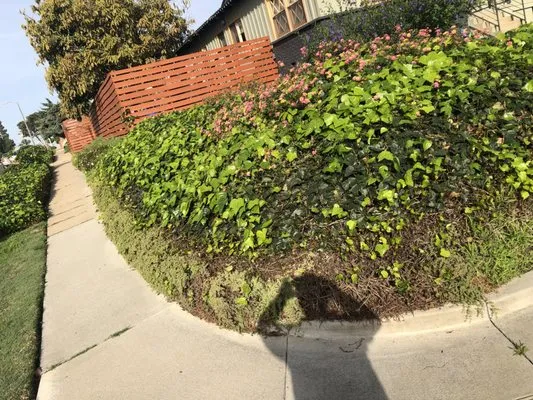
Aquatic Irrigations is your Los Angeles partner for a healthy, green landscape. We understand the local challenges homeowners face, like persistent dry and bare lawn patches caused by inefficient wate...
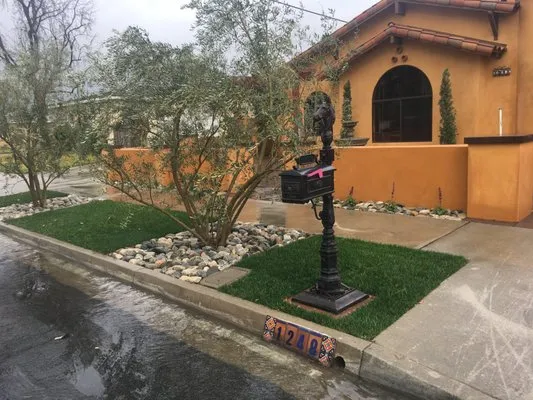
Joel & Sons Landscape Construction is a family-owned and operated business that has been beautifying Covina and the surrounding San Gabriel Valley since 2002. Founded by Joel and now working alongside...
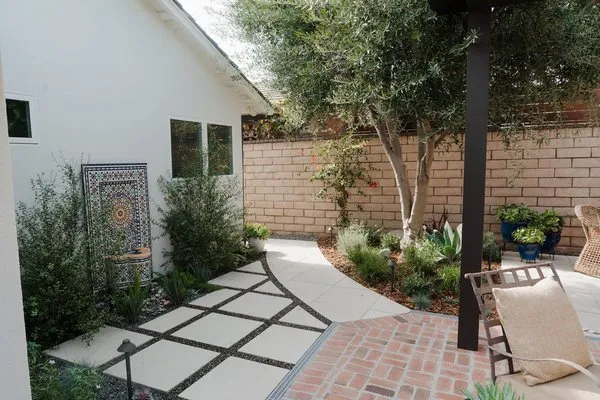
Resolve Landscape is a licensed landscaping company based in Cypress, founded by Eric Mercado. Eric's passion for landscaping is rooted in three generations of family knowledge and experience, which h...
California Ecology Arborists is a Los Angeles-based consulting firm founded in 2022, dedicated to the scientific care and preservation of trees and landscapes. Led by ISA Certified Arborist and Pest C...
Estimated Landscaping Service Costs in Brea, CA
Frequently Asked Questions
We're tired of weekly mowing and loud gas blowers. What's a quieter, lower-maintenance alternative to our lawn?
Transitioning to a climate-adaptive landscape with natives like Cleveland Sage, Deergrass, and Toyon drastically reduces maintenance. These plants require minimal water, no regular mowing, and little to no blowing once established. This approach future-proofs your property against the gas-powered leaf blower phase-out and aligns with 2026 sustainability standards, supporting local biodiversity and creating a fire-resilient buffer.
How can we keep our Tall Fescue lawn alive under Brea's Stage 2 water restrictions?
Stage 2 restrictions require precise water management. Smart Wi-Fi ET-based controllers are critical; they adjust schedules daily using local evapotranspiration data to apply only the water the Tall Fescue actually uses. This technology, paired with cycle-and-soak programming for clay soils, prevents runoff and maximizes efficiency. Properly calibrated, these systems can maintain turf health while staying well within municipal allotments.
We want to regrade our quarter-acre lot. What permits and contractor credentials are required?
Significant grading on a 0.25-acre lot in Brea requires a permit from the Brea Community Development Department to ensure proper erosion and sediment control. You must hire a contractor holding a 'C-27' Landscaping license or a related classification from the California Contractors State License Board. This licensing is legally mandatory for earthwork exceeding minor alterations and protects you from liability and substandard work that could cause slope failure or runoff violations.
What invasive weeds should we watch for, and how do we treat them with Brea's fertilizer rules?
In Brea, watch for invasive grasses like Bermuda or Kikuyu, and broadleaf weeds like spurge. Treatment must avoid violating the urban runoff ordinance, which prohibits fertilizer or herbicide application before forecasted rain. Targeted spot-treatment with approved post-emergents during dry, calm weather is the safe protocol. For organic control, manual removal and thick mulch layers in late February are effective preventative measures.
Is a wood deck or a paver patio better for our hillside home in a high fire-risk zone?
In a Very High Fire Hazard Severity Zone, non-combustible materials are paramount for defensible space. Permeable concrete pavers are superior to wood for longevity, fire resistance, and drainage. They provide a stable, low-maintenance surface that won't degrade or contribute fuel. When designed with adequate clearance from structures, a paver patio supports your home's Fire Wise rating without the maintenance and replacement cycle of wooden decks.
We need an emergency storm cleanup to meet an HOA deadline. How quickly can a crew respond to Olinda Village?
For urgent HOA compliance or post-storm work, our dispatch from the Brea Olinda High School area allows for a 25–30 minute peak response. The route utilizes State Route 57 for direct access to Olinda Village slopes. We maintain electric equipment fleets, which are compliant with local noise ordinances, ready for immediate deployment to address debris and erosion control from high surface runoff events.
Our sloped yard has serious erosion after rains. What's the best long-term drainage solution?
High slope erosion in Brea's clay loam is a common drainage hazard. The solution integrates grading to redirect surface runoff and the installation of permeable concrete pavers for any new patios or walkways. These pavers allow water infiltration, reducing flow velocity and meeting the Brea Community Development Department's standards for on-site stormwater management. Swales and retention basins may also be necessary for comprehensive control.
Our yard's soil is always hard and cracked. What's the history behind the soil in older Brea neighborhoods like Olinda Village?
Homes built around 1977, common in Olinda Village, have soils with nearly 50 years of maturation. The prevalent Alkaline Clay Loam (pH 7.5-8.2) compacts over decades, reducing permeability and root penetration. This natural aging process, combined with historical construction practices, creates a dense, water-repellent layer. Annual core aeration and amendments like composted organic matter are essential to rebuild soil structure and biological activity.
