Top Landscaping Services in Boulder Creek, CA, 95006 | Compare & Call
There are 164 landscaping companies server in Boulder Creek CA

Founded by Raymond in 1996, Tropical Landscaping has been serving the Central Coast for over 25 years, bringing expertise in native and subtropical gardens to Salinas, Santa Clara, Monterey, Santa Cru...
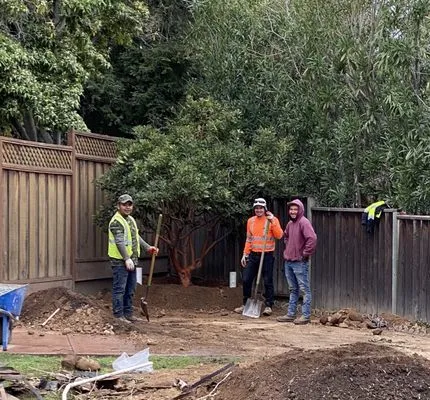
Red Roots Landscape
Red Roots Landscape is a family-owned, fully licensed and bonded general landscape contractor proudly serving San Martin and the broader South Bay, Central Coast, and Bay Area. Led by Guillermo Banuel...

Lost Emu Farms brings a natural, effective approach to land management in Aptos, CA. By utilizing goats and sheep for mobile grazing, we offer a unique alternative to conventional landscaping. Our ser...
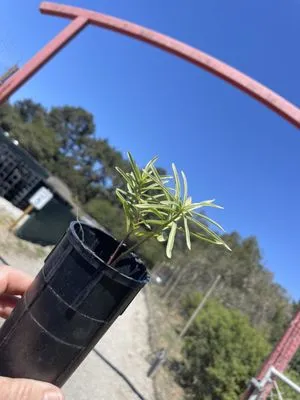
Central Coast Wilds
Central Coast Wilds, established in 1992 in Santa Cruz, California, is the nursery division of Ecological Concerns Inc., a licensed ecological landscape contractor. Founded by restoration ecologist Jo...
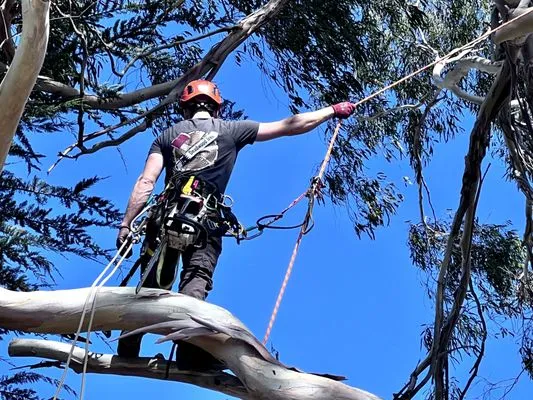
Deadwood Tree Service in Salinas, CA, is a locally owned and operated company specializing in hazard tree removal and mitigation for homes and businesses throughout Monterey and Santa Cruz counties. W...
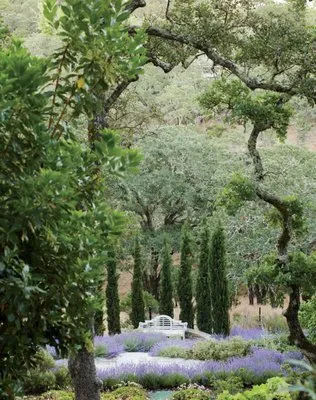
Maplewood Landscaping is a family-owned, full-service company proudly serving Castroville and the surrounding tri-county area for over 25 years. We specialize in creating and maintaining beautiful, fu...

Andres Landscape is a family-owned landscaping company with over 20 years of experience serving Santa Cruz, CA. We specialize in comprehensive landscaping, irrigation, and fencing solutions for both r...
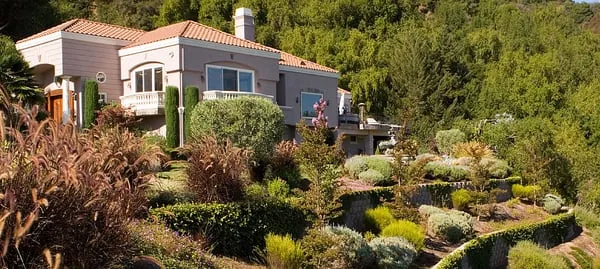
Shoreline Landscape Design
Shoreline Landscape Design began over four decades ago when founder Brian moved from his family's New Jersey nursery business to Santa Cruz. His background in design and fluency in Spanish, combined w...
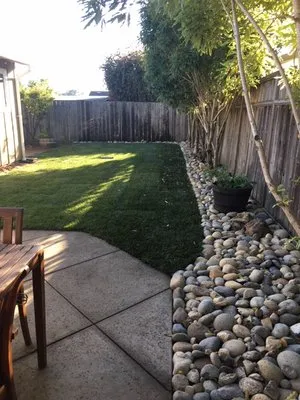
The Landscape Company
The Landscape Company, a full-service landscaping firm established in Capitola in 1978, is built on deep roots in the Santa Cruz County community. The owner, a graduate of Hamilton College and Syracus...
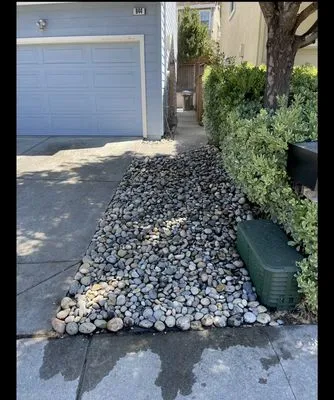
Republic Landscaping is a full-service landscaping company serving Castroville and the surrounding areas. We specialize in both creating beautiful, durable outdoor spaces and providing the ongoing car...
Estimated Landscaping Service Costs in Boulder Creek, CA
Frequently Asked Questions
Is a wood deck or a stone patio better for our high-fire-risk area?
In an Extreme Fire Hazard Severity Zone requiring WUI Zone 1 compliance, non-combustible materials are mandated within the critical 0-5 foot defensible space. Permeable decomposed granite patios are superior to wood decks here, as they provide a stable, fire-resistant surface that also manages runoff. This material choice satisfies defensible space regulations while addressing the site's drainage needs with durability.
A storm brought down a large branch. How quickly can a crew arrive for emergency cleanup?
For urgent storm response, crews can typically mobilize from the Boulder Creek Fire Protection District Station and navigate via Highway 9 to reach most Downtown Boulder Creek properties within 20-30 minutes during peak conditions. This routing prioritizes access to areas with high erosion potential. Initial triage focuses on clearing hazards from driveways, structures, and public right-of-ways to mitigate immediate safety risks.
We want to reduce lawn maintenance and noise. What are good native alternatives?
Replacing high-input turf with regionally adapted natives like California Lilac, Toyon, and Western Sword Fern dramatically reduces water, mowing, and fertilization needs. This transition aligns with evolving noise ordinances that restrict gas-powered blowers and mowers. These plants support local biodiversity and, once established, require minimal intervention, creating a landscape resilient to both regulatory changes and drought.
How can we keep our Tall Fescue lawn healthy during voluntary water conservation?
Under Stage 1 voluntary conservation, efficient water use is critical. Wi-Fi ET-based weather-sensing irrigation systems automatically adjust schedules based on local evapotranspiration data, preventing overwatering. For Tall Fescue blends, this means applying water only when needed, typically in the early morning to reduce loss. This technology, paired with proper mowing height, maintains turf health while strictly adhering to municipal water use expectations.
We've spotted invasive English Ivy and Himalayan Blackberry. How should we handle them?
Manual removal of invasive species like English Ivy is most effective, ensuring the entire root system is extracted. For persistent woody invasives, targeted cut-stump treatment with an approved herbicide may be necessary, but application must strictly follow the Regional Water Quality Control Board Stormwater Runoff Guidelines to protect watersheds. Treatments are timed outside of seasonal blackout dates to prevent runoff into Boulder Creek.
Our sloped yard has serious erosion and soggy patches. What's a durable solution?
The combination of steep slopes and underlying clay subsoil creates high saturation and erosion risk. A tiered approach using French drains to intercept subsurface water, paired with stabilized infiltration basins, is often required. Surfacing pathways and patios with permeable decomposed granite meets Santa Cruz County Planning Department runoff standards by allowing water to percolate, reducing surface flow and soil loss.
What permits and credentials are needed for regrading our half-acre lot?
Significant grading on a 0.45-acre lot in Santa Cruz County typically requires a permit from the County Planning Department to ensure proper erosion control and drainage plans. The contractor must hold a relevant C-27 Landscaping or C-12 Earthwork license from the California Contractors State License Board. This licensing verifies the expertise needed to manage the slope stability and hydrological impact inherent to Boulder Creek properties.
Our yard seems to struggle no matter what we plant. Could the soil itself be the problem?
Homes in Downtown Boulder Creek, built around 1953, have soils with a 73-year history of development pressure and compaction. The prevalent acidic sandy loam naturally drains well but is typically low in organic matter, leading to poor water and nutrient retention. Core aeration combined with incorporating 2-3 inches of finished compost can significantly improve soil structure and microbial activity. This addresses the inherent low fertility and prepares the soil for more resilient plantings.
