Top Landscaping Services in Big Bear City, CA, 92314 | Compare & Call

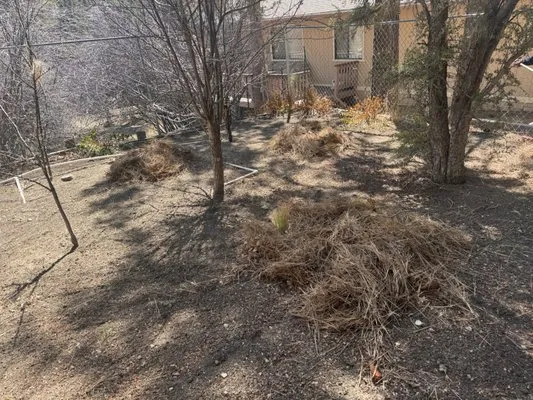
Deer AG is your trusted local partner in Big Bear City for junk removal, landscaping, and handyman services. We understand the unique challenges of our mountain climate, particularly lawn drought stre...
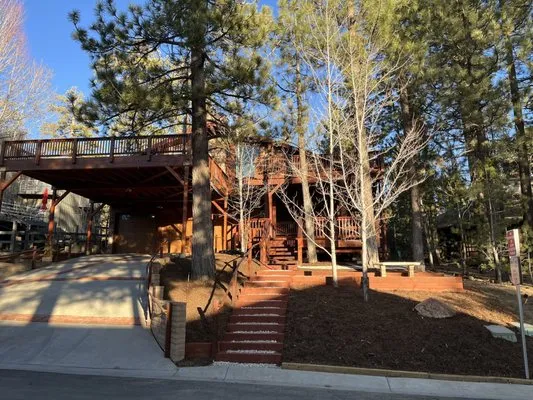
Estrada's Construction, Landscaping & Fencing
Estrada's Construction, Landscaping & Fencing is a Big Bear City family business built on local trust and craftsmanship. Owner Trini Estrada began in 1995 with a borrowed lawn mower, growing the compa...

TSL Landscape & Maintenance is your trusted, locally-owned partner for landscaping and general contracting in Big Bear City, CA. We specialize in diagnosing and solving the common issues Big Bear home...

Ziresco is a trusted landscaping company serving Big Bear City, CA, dedicated to solving the common local issues homeowners face with their outdoor spaces. Many properties in our mountain community st...
Q&A
Water runs straight off our sloped yard, causing erosion. What's a permanent solution?
Rapid infiltration on steep granitic slopes is a common erosion hazard. The solution involves creating a series of permeable barriers to slow and sink water. Using local decomposed granite for permeable patios or dry creek beds made with native river rock increases surface permeability. For severe slopes, installing a tiered network of French drains wrapped in non-woven geotextile fabric meets San Bernardino County Land Use Services standards for runoff management by redirecting water safely without soil loss.
What invasive plants should I watch for, and how do I remove them safely here?
High-priority invasive alerts for Zone 7a include Cheatgrass, Bull Thistle, and Myrtle Spurge. Manual removal before seed set is most effective. For persistent perennials, a targeted, foliar-applied glyphosate in late fall can be used, strictly avoiding any application within 100 feet of riparian zones to comply with local fertilizer and runoff ordinances. Always consult the local UC Cooperative Extension for current treatment recommendations and blackout dates to ensure safe, legal control.
Is a wooden deck or a stone patio better for longevity and fire safety in Big Bear?
Given the Extreme Fire Wise Rating and WUI Zone 3 compliance requirements, non-combustible materials are mandated within the critical 0-5 foot defensible space zone. Local decomposed granite or native river rock patios provide superior longevity without rot or pest issues and contribute zero fuel to a wildfire. These materials also integrate seamlessly with the native landscape, whereas wood decks require constant treatment and represent a significant liability in high-risk zones, often failing to meet updated 2026 defensible space codes.
My Big Bear City yard's soil seems thin and drains too fast. Is this normal for the area?
Properties built around 1979, like many in the Big Bear City Core, have soil profiles approximately 47 years old. On granitic sandy loam, this period often results in a shallow, compacted layer that restricts root growth and water retention. Core aeration and incorporating 2-3 inches of mature compost are essential to improve soil structure and increase organic matter above the native 1-2% baseline. This addresses the inherent low water-holding capacity and prepares the soil for healthier turf or native plantings.
We have a sudden HOA violation notice for overgrowth. How quickly can a crew arrive for an emergency cleanup?
An emergency compliance crew can typically be dispatched within 2-4 hours. From our staging area near Big Bear City Park, the route via CA-18 to most Core neighborhoods takes 20-30 minutes, accounting for mountain terrain and seasonal traffic. We prioritize these services with electric-powered equipment to operate within the 7 AM to 7 PM noise ordinance window, ensuring immediate remediation without further violation risk.
I want a lower-maintenance, quieter yard. What are my options beyond weekly mowing and blowing?
Transitioning high-input turf areas to a climate-adaptive xeriscape with native plants like Mountain Mahogany, Snowberry, and Rabbitbrush drastically reduces maintenance. These plants require no supplemental irrigation once established, eliminate weekly mowing, and provide critical habitat. This shift also future-proofs your property against tightening noise ordinances on gas-powered blowers, as native beds require minimal leaf cleanup and can be maintained with quieter electric equipment.
Do I need a permit to regrade and landscape my 0.25-acre lot?
Yes, significant grading or earthwork on a 0.25-acre parcel typically requires a permit from San Bernardino County Land Use Services. The trigger is often moving more than 50 cubic yards of material or altering drainage patterns that affect neighboring properties. This work must be performed by or under the supervision of a contractor holding a relevant C-27 (Landscaping) or C-12 (Earthwork) license from the Contractors State License Board (CSLB), ensuring adherence to engineering and erosion control standards for mountain terrain.
How do we keep Kentucky Bluegrass alive during Stage 1 water restrictions without wasting water?
Stage 1 voluntary conservation in Big Bear City necessitates precision irrigation. A smart Wi-Fi ET-based controller, paired with in-ground moisture sensors, applies water only when and where the turf's root zone needs it, eliminating runoff and overwatering. This system adjusts daily based on local evapotranspiration data, often reducing water use by 20-30% while maintaining turf health. Deep, infrequent watering cycles early in the morning further optimize efficiency for the cool-season grass blend.
