Top Landscaping Services in Bell Gardens, CA, 90201 | Compare & Call

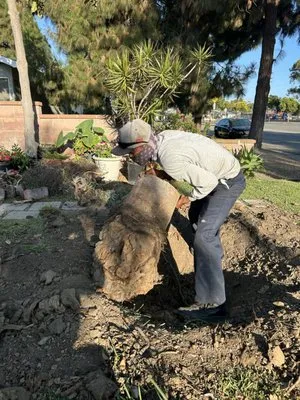
Aguilar Landscaping is a family-owned business built on the foundational values of hard work, integrity, and a sincere desire to help the Bell Gardens community improve their outdoor spaces. Owner Agu...
Davila Landscape is a trusted landscaping company serving Bell Gardens, CA, and surrounding areas. With a focus on creating and maintaining beautiful, functional outdoor spaces, we specialize in compr...

DreamHouse Landscaping in Bell Gardens, CA, is a local landscaping company specializing in comprehensive outdoor transformations. We combine expert craftsmanship in pavers and concrete with personaliz...
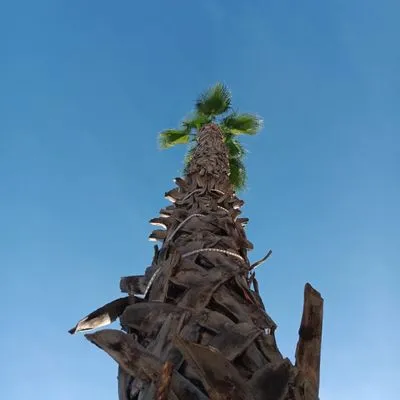
Perez Tree Service is your local, trusted partner for maintaining the health and beauty of your property in Bell Gardens. Our comprehensive services are designed to handle everything from routine upke...
Christians Landscaping
Christians Landscaping is a trusted local contractor serving Bell Gardens, CA, specializing in landscaping, painting, and general contracting services. We understand the unique challenges homeowners f...
Q&A
Why does my Bell Gardens soil feel compacted and drain poorly?
Bell Gardens Civic Center lots average 66 years of development since 1960 construction, creating mature alkaline sandy loam with pH 7.9-8.2. Decades of foot traffic and irrigation have reduced soil permeability through urban compaction. Core aeration with organic amendments like composted bark improves water infiltration while balancing pH for better plant health.
Are permeable pavers better than wood for longevity and safety?
Permeable concrete pavers outperform wood with 40+ year lifespans versus wood's 15-25 years in Zone 10b. Their non-combustible nature supports Low Fire Wise ratings by creating defensible space without fuel accumulation. Unlike wood that requires chemical treatments, pavers maintain structural integrity through wet-dry cycles while managing stormwater runoff.
Can I maintain healthy turf under Stage 2 water restrictions?
Wi-Fi ET-based weather sensing irrigation preserves TifTuf Bermuda while complying with Stage 2 conservation limits. These systems adjust watering schedules daily based on evapotranspiration rates, reducing water use 20-40% compared to traditional timers. Properly calibrated systems deliver 0.75 inches weekly during peak season, meeting municipal requirements without turf stress.
How quickly can you respond to storm damage for HOA compliance?
Emergency cleanup crews dispatch from John Anson Ford Park via I-710, reaching Bell Gardens Civic Center within 20-30 minutes during peak storm response. Electric equipment meets municipal noise ordinances while addressing fallen branches or drainage issues. This rapid response prevents HOA violations and secondary property damage from standing water.
What permits and licenses are needed for grading my 0.14-acre lot?
Grading work on 0.14-acre Bell Gardens properties requires Bell Gardens Planning Division permits for earth moving exceeding 50 cubic yards. Contractors must hold CSLB C-27 Landscaping or C-12 Earthwork licenses for proper bonding and insurance. Unlicensed grading risks $5,000+ fines and invalidates property insurance during slope failure events.
Should I replace high-maintenance turf with native plants?
Transitioning to California Poppy, Desert Mallow, Cleveland Sage, and Toyon reduces maintenance ahead of electric-only equipment mandates. These natives require 80% less water than turf, thrive in alkaline soils, and support local pollinators. Established native gardens need minimal pruning, eliminating gas-blower use while creating year-round visual interest.
What solutions prevent runoff on my compacted lot?
Alkaline sandy loam in Bell Gardens exhibits high runoff due to urban compaction reducing permeability. Installing permeable concrete pavers creates 30-50% void space for water infiltration, meeting Planning Division runoff standards. French drains connected to these systems redirect subsurface water away from foundations while recharging groundwater tables.
How do I control invasive species without chemical runoff?
Targeted manual removal of invasive grasses prevents spread while complying with Urban Runoff Prevention ordinances banning nitrogen/phosphorus applications. Solarization during summer months uses clear plastic to heat soil to 120°F, eliminating weed seeds without chemicals. Schedule treatments outside blackout dates to avoid fertilizer ordinance violations while protecting watersheds.
