Top Landscaping Services in Beaumont, CA, 92223 | Compare & Call
There are 231 landscaping companies server in Beaumont CA

Summers Landscaping is a family-owned lawn service business in Beaumont, CA, dedicated to providing reliable and personalized care for local yards. We offer a comprehensive range of services, includin...
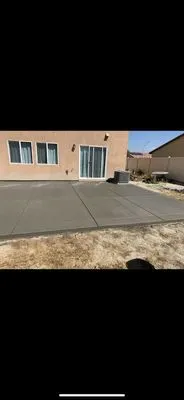
Valentins Landscaping
Valentin's Landscaping has been serving Gilman Hot Springs and the Riverside area since 2004, founded by Valentin after years of experience working for various construction companies. The business spe...

Inland Landscape is a full-service landscaping company serving Yucaipa, California. We specialize in irrigation systems, from design and construction to repair, and comprehensive landscape services in...
JP Landscape Services in Beaumont, CA, is a trusted local landscaping company dedicated to solving common residential landscaping challenges in our community. Many Beaumont homeowners struggle with is...
Sanchez's Landscaping is a trusted Beaumont, CA lawn service company specializing in artificial turf, irrigation, and lawn care. Many local homes struggle with bare or dry lawn patches due to our regi...

J&E Alumawood Patio Covers is a Beaumont-based contractor specializing in durable outdoor living solutions. We design and install custom Alumawood patio covers, pergolas, and other structures to enhan...

JG Landscaping is a trusted, locally-owned landscaping service dedicated to enhancing outdoor spaces throughout Beaumont, CA. We understand the common local challenges homeowners face, such as unsight...
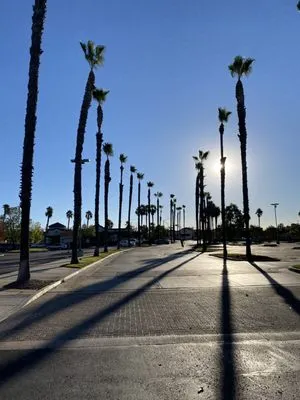
Green Oak Tree Care is a family-owned tree service and landscaping company serving Perris, CA. We specialize in comprehensive tree care including trimming, removal, and stump grinding, along with full...
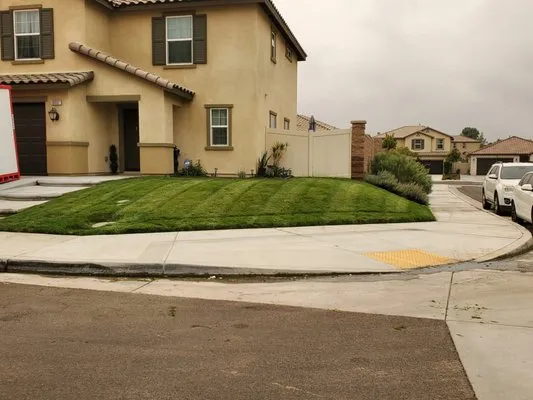
Aldama's Lawn Care is a family-owned and operated lawn service business based in Beaumont, CA, serving the Inland Empire and surrounding communities since 2000. Founded by Nicholas Aldama, the company...
Steve's Disking Weed Abatement is a locally owned and operated landscaping business serving Cherry Valley, CA, and the wider Inland Empire. With a focus on practical, reliable solutions, we specialize...
Estimated Landscaping Service Costs in Beaumont, CA
Questions and Answers
Should I replace traditional lawn areas with native plants to reduce maintenance?
Transitioning 500-1,000 square feet to California poppy, desert mallow, and deergrass reduces mowing frequency from weekly to seasonal while eliminating gas-powered equipment ahead of 2027 electric-only mandates. These natives establish deep taproots reaching 3-5 feet into subsoil moisture, requiring only 10-15% of turf irrigation volumes. Sugar bush and Cleveland sage provide year-round structure with minimal pruning, creating habitat corridors that support 2026 biodiversity targets for pollinator populations in residential landscapes.
What solutions prevent erosion on sloped properties with high runoff?
Permeable concrete pavers with 0.25-inch joint spacing and decomposed granite bases achieve 5-10 inch per hour infiltration rates, exceeding Beaumont Planning Department's 3-inch minimum for residential grades. French drains with 4-inch perforated PVC at 1% slope direct subsurface flow to dry wells filled with 1.5-inch washed drain rock. Contour grading creates 6-inch elevation terraces that slow sheet flow velocity below 1 foot per second, preventing topsoil loss in alkaline sandy loam's vulnerable surface layer.
Are permeable hardscapes better than wood for fire-resistant landscaping?
Decomposed granite and permeable concrete maintain non-combustible ratings under Extreme Fire Wise Zone 2 requirements, unlike wood's 300-400°F ignition threshold. These materials create 5-foot defensible space zones with 0% flame spread rating when cleared of organic debris. Their 0.35-0.45 albedo reflects solar radiation, reducing ambient heat 8-12°F compared to asphalt or dark wood surfaces. Joint spacing allows emergency water penetration for firefighting while preventing erosion during Santa Ana wind events.
How do I manage invasive species without violating fertilizer regulations?
Spot-treat yellow starthistle and fountain grass with 2% glyphosate solutions using shielded applicators during dry periods 72+ hours before forecasted rain, adhering to NPK runoff blackout dates. Manual removal of Bermuda grass rhizomes requires 8-inch depth excavation during soil moisture levels below 15% to prevent regrowth. Pre-emergent applications of corn gluten meal at 20 pounds per 1,000 square feet in early March suppress weed germination while adding 9% nitrogen content that complies with statewide slow-release requirements.
How quickly can you respond to emergency storm damage for HOA compliance in Beaumont?
Emergency cleanup crews dispatch from Stewart Park maintenance yard using I-10 access to Fairway Canyon, maintaining 20-30 minute response during peak storm events. Electric chainsaws and brush chippers operate within 65-decibel daytime limits under Beaumont's noise ordinance. Crews prioritize removing hazardous limbs exceeding 2-inch diameter and clearing drainage swales blocked by debris. Documentation includes timestamped photos and debris volume estimates for HOA compliance reporting within 24 hours of service completion.
What permits and licenses are required for grading my 0.22-acre lot?
The Beaumont Planning Department requires engineered grading plans for cuts/fills exceeding 2 feet vertical change or disturbing over 1,000 square feet on 0.22-acre parcels. Contractors must hold C-27 Landscaping or C-12 Earthwork licenses from California Contractors State License Board with $15,000 bond minimum. Erosion control permits mandate silt fence installation at 10-foot intervals along contours steeper than 3:1 slope ratios. Final inspections verify compaction to 95% Proctor density and drainage conformity with municipal stormwater management ordinances.
Why does my Fairway Canyon lawn struggle despite regular watering and fertilizing?
Beaumont's alkaline sandy loam soil (pH 7.9-8.2) in Fairway Canyon lots has limited organic matter retention due to 21 years of development since 2005. This soil maturity period shows typical compaction from construction equipment and irrigation, reducing permeability to 0.5-1.0 inches per hour. Core aeration with 3-4 inch depth spacing introduces oxygen channels while incorporating 2-3 cubic yards of compost per 1,000 square feet buffers pH toward neutral 6.5-7.0 range. Mycorrhizae inoculants establish symbiotic root networks that improve drought resilience in California poppy and Cleveland sage plantings.
Can I maintain healthy turf while following Beaumont's Stage 2 water restrictions?
Wi-Fi ET-based controllers adjust Tall Fescue irrigation to 0.75-1.0 inch weekly, matching evapotranspiration rates while staying 20% below municipal limits. These systems integrate NOAA weather data to skip cycles during precipitation events and reduce runtime during coastal fog periods. UC Verde Buffalo Grass requires only 0.5 inch weekly through dormancy programming from November to February. Soil moisture sensors at 6-inch depth prevent overwatering, particularly important in sandy loam's rapid percolation characteristics.
