Top Landscaping Services in Auburn, CA, 95602 | Compare & Call

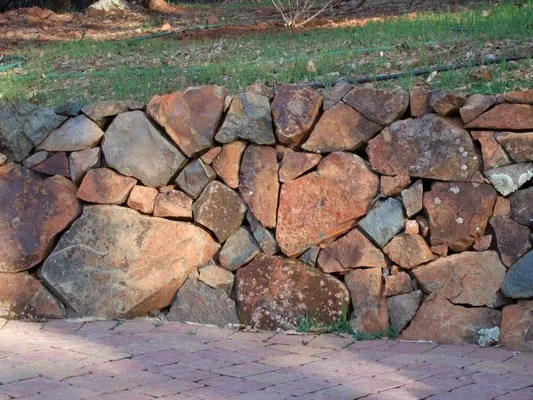
My journey with Landshaping began with a love for the outdoors, starting with mowing lawns in my neighborhood as a kid. This passion led me to earn a BS in Water Resources from Stanford University in ...
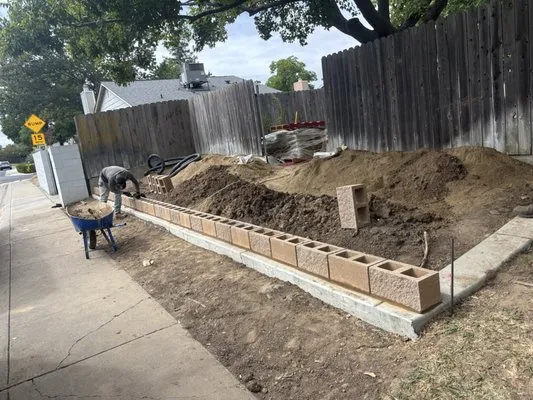
North-Cal Landscaping is a locally owned and operated company in Auburn, CA, dedicated to enhancing outdoor spaces with durable and thoughtful solutions. We focus on the specific needs of our communit...
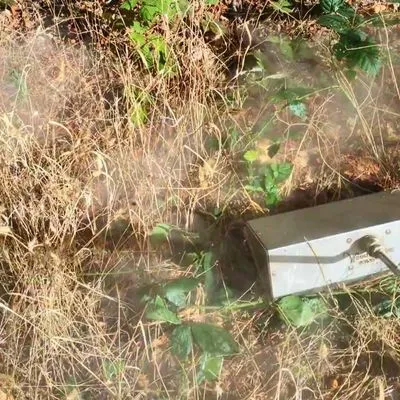
Ag-Steam in Auburn, CA, specializes in organic landscape maintenance and weed control using steam technology. Founded on the belief that everyone deserves access to effective herbicide alternatives, w...
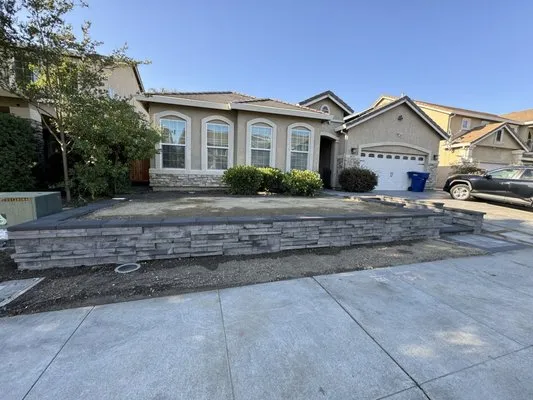
LR Landscaping & Pavers is a family-owned and operated Auburn, CA, contractor founded in 2007. As a fully insured and licensed business, we bring over 15 years of focused expertise in interlocking pav...
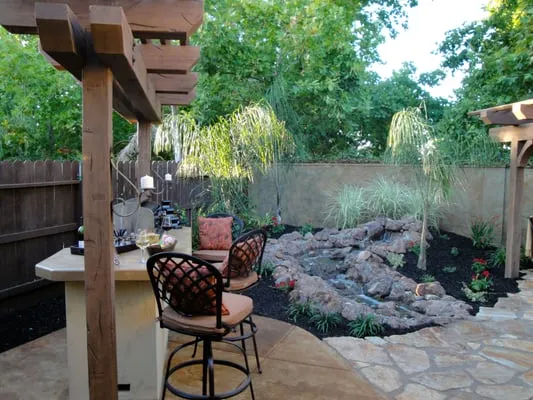
Since 1990, Clean Cut Landscape has been a trusted, full-service landscaping partner for residents and businesses in Auburn, CA, and the surrounding foothills. Founded and led by President Todd Larime...

Grass Roots Tree Services LLC is a locally owned and operated business in Auburn, CA, specializing in comprehensive tree care and landscaping solutions. Founded by Timothy, Michael, and Upham, the com...
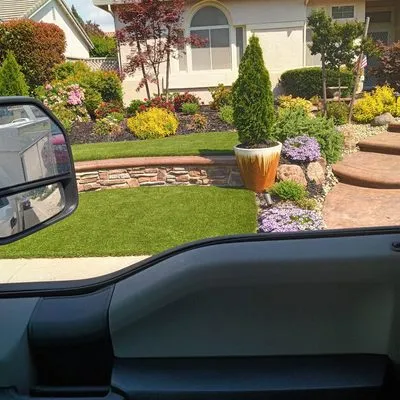
Turiace Landscaping has been serving Auburn, CA, and the surrounding Placer and Sacramento counties since the 1980s, bringing over 30 years of dedicated experience to every project. As a locally owned...
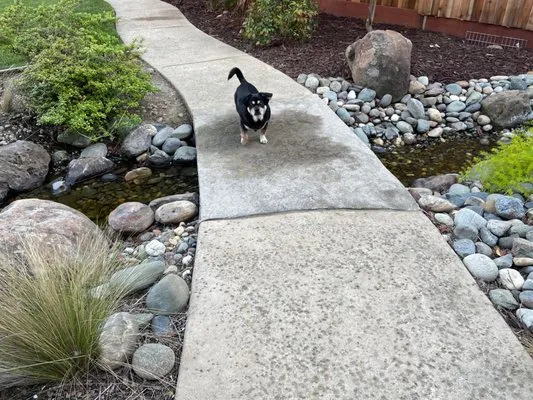
Rockface Waterscapes is a locally owned and operated landscaping and general contracting business serving Auburn, CA, and the surrounding areas. Founded by a lifelong Northern California resident who ...
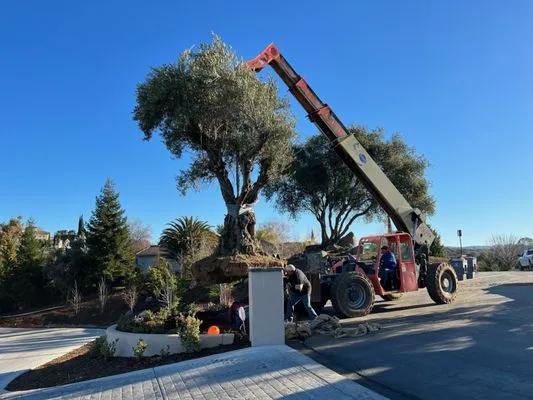
Aronson Landscape is a locally owned and operated landscaping company serving Auburn, CA, and the surrounding Sacramento area since 2008. Founded by Levi Aronson, a lifelong resident with deep communi...
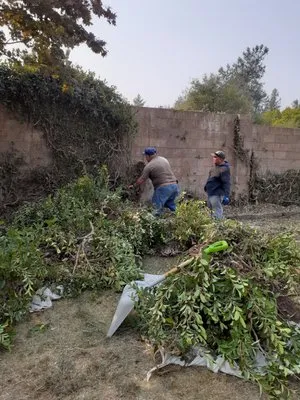
Jose Yard Maintenance is a family-owned lawn and garden service in Auburn, CA, built on integrity and dedicated to customer satisfaction. Owner Jose and his team bring over 20 years of hands-on experi...
Q&A
How can I keep my Tall Fescue lawn green under Stage 1 water restrictions?
Maintaining dwarf Tall Fescue under voluntary conservation requires precision. Wi-Fi-enabled, ET-based smart controllers are the standard. They adjust schedules daily using local weather station data, applying water only when evapotranspiration demands it, often reducing usage by 20-30% compared to timers. This technology targets root zones efficiently, preventing runoff on Auburn's sloped lots. Combined with early morning cycles to minimize evaporation, this system keeps turf healthy within municipal limits while preparing for potential stricter future stages.
Water pools against my foundation every winter; what's the best fix for my sloped yard?
Slope erosion and foundation pooling are endemic to Auburn's clay-rich, acidic Ultisols, which have low permeability. The solution is a two-tier approach: first, install a French drain lined with gravel to intercept subsurface water. Second, regrade the surface using permeable materials like decomposed granite for patios and walkways. This combination increases infiltration and meets the City of Auburn Community Development Department's stormwater runoff standards by managing flow rates. It transforms a compaction hazard into a managed, functional drainage system.
My HOA issued a violation notice for overgrowth; how fast can you get here for an emergency cleanup?
For urgent HOA compliance in Old Town Auburn, our dispatch from the Auburn Courthouse area allows for a rapid response. Crews travel via I-80 to access your neighborhood, with a standard arrival window of 20-30 minutes during peak operational hours. We maintain a fleet of electric-powered mowers and blowers to comply with strict residential noise ordinances, enabling immediate work without violation. This efficient routing and compliant equipment ensure we can address overgrowth and submit before-and-after documentation to your HOA same-day.
Should I use wood or stone for a new patio in this high-fire-risk area?
Given Auburn's Extreme Fire Wise rating, material selection is critical for defensible space. Sierra Granite pavers and decomposed granite are non-combustible, mineral-based materials that provide a permanent, fire-resistant hardscape. Wood structures, even treated, represent a continuous fuel source within the ember zone. Mineral materials also integrate better with the native soil pH and require no sealing or chemical treatments. For longevity, safety, and compliance with fire mitigation guidelines, stone outperforms wood in every metric for Wildland-Urban Interface zones.
Do I need a permit to regrade my backyard and who is qualified to do the work?
On a 0.25-acre lot in Auburn, significant grading that alters water flow or removes substantial vegetation requires a permit from the City of Auburn Community Development Department. The contractor must hold a specific license from the Contractors State License Board (CSLB), typically a C-27 (Landscaping) license, and often a supplementary C-12 (Earthwork and Paving) classification for major earthmoving. This ensures the work meets structural and environmental codes. Unlicensed grading risks slope failure, neighbor disputes, and significant fines from the city.
Why is my soil so compacted and acidic, even after years of fertilizing?
Properties in Old Town Auburn, built around 1981, have 45-year-old soils. This age means the original construction-grade topsoil has fully degraded into the underlying native Ultisols. These acidic soils (pH 5.5-6.5) naturally compact over decades, forming a hardpan that restricts root growth and water percolation. Annual fertilization, especially with synthetic salts, exacerbates this compaction without rebuilding soil structure. The solution is not more fertilizer but core aeration and incorporation of compost to increase organic matter and microbial activity.
I'm tired of weekly mowing and gas blower noise; are there lower-maintenance options?
Transitioning to a native plant palette directly addresses both maintenance fatigue and regulatory trends. Species like Manzanita, Ceanothus, Deergrass, and Western Redbud thrive in Auburn's Zone 9a acidic soils without fertilization or summer irrigation. Once established, this landscape eliminates weekly mowing and drastically reduces the need for leaf blowing, aligning with the shift toward electric-only equipment in residential zones. This creates a fire-resilient, biodiverse habitat that stays ahead of tightening noise and air quality ordinances.
My lawn has strange patches; could it be an invasive pest or disease?
In Auburn's WUI zone, invasive species like Yellow Starthistle and Medusahead grass are primary alerts, outcompeting natives and increasing fire fuel. Disease in Tall Fescue, such as brown patch, is also common in poorly drained soils. Treatment must comply with the Regional Water Quality Control Board's MS4 permit, which prohibits phosphorus fertilizers and regulates herbicide application timing. A soil assay can identify the specific issue, allowing for a targeted, compliant treatment plan that avoids ordinance blackout dates and protects watersheds.
