Top Landscaping Services in Atwater, CA, 95301 | Compare & Call

There are 240 landscaping companies server in Atwater CA
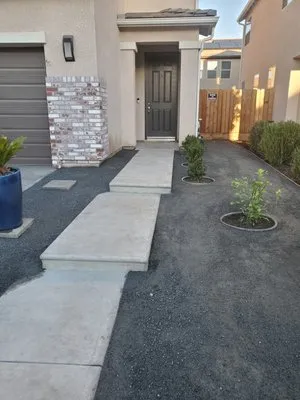
New Image Landscaping
New Image Landscaping is a licensed and locally-owned landscaping service operating in Fresno and the Central Valley. With over nine years of dedicated service, our team of professional landscapers sp...
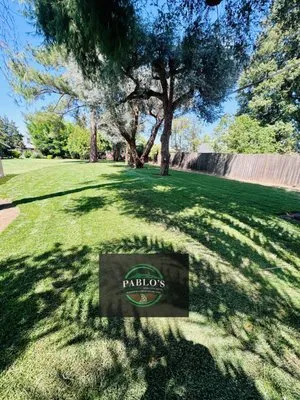
Pablo's Landscaping & Concrete is a family-owned and operated business serving Clovis, CA, specializing in comprehensive outdoor transformations. As a father-and-son team, we focus on creating durable...
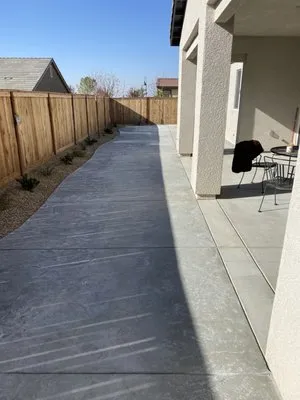
Hood Landscaping has been a trusted name in Fresno and the Central Valley for over 39 years. Our journey began in the late 80s with hands-on experience in a local tree service, learning every facet of...
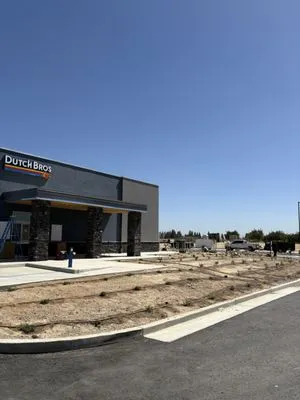
Platinum Landscape is a Fresno-based landscaping company dedicated to transforming outdoor spaces with quality craftsmanship and personalized service. We specialize in artificial turf installation, ir...
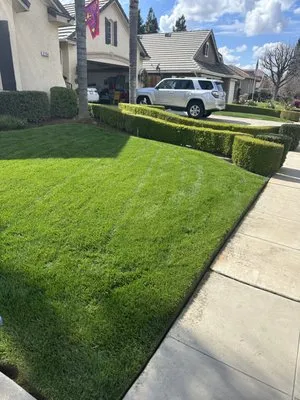
Carlos Garcia Yard Services has been a trusted name in Fresno's landscaping community since 2001. Founded by Carlos Garcia, who turned his personal passion for gardening into a dedicated business, thi...
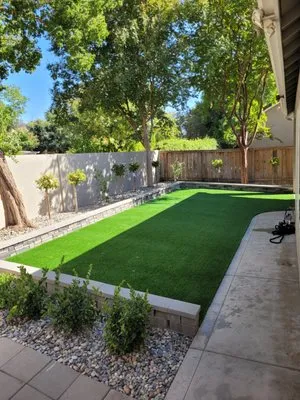
Specialty Landscape Inc. is a minority-owned, local landscaping firm serving the Central Valley with over 18 years of professional experience. Founded in 2005 by Armando Soto, our Fresno-based company...
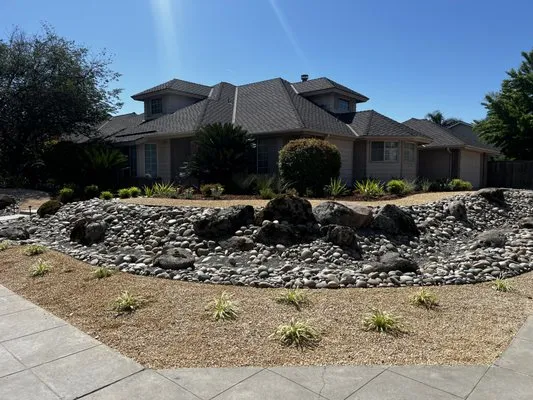
Guarantee Landscape is a family-owned and operated business that has been proudly enhancing the Fresno and Clovis area for over 14 years. Founded and led by Chris, who brings specialized training in a...
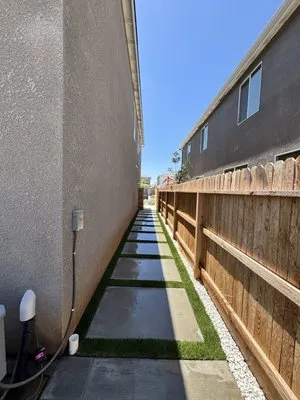
Lu Morales Landscaping and Turf helps Fresno homeowners create beautiful, resilient outdoor spaces. We specialize in custom landscaping, synthetic turf installation, and comprehensive irrigation servi...
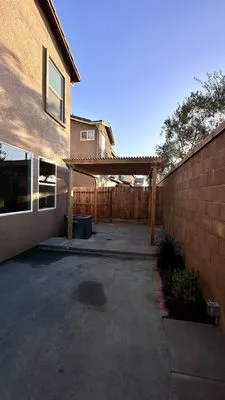
Garzon Landscape & Maintenance is a locally-owned and operated landscaping and hardscaping company serving Fresno and the surrounding area. Officially established in 2017, we are a licensed and insure...
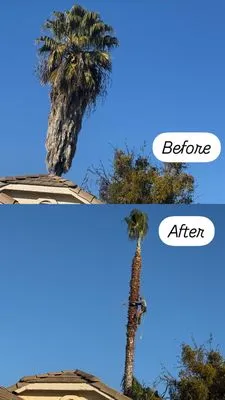
Martinez Landscape is a licensed landscaping company serving Turlock, CA, with over a decade of experience transforming outdoor spaces. We specialize in comprehensive landscape solutions, from initial...
Estimated Landscaping Service Costs in Atwater, CA
Questions and Answers
We're tired of weekly mowing and gas-powered maintenance. What are our options for a quieter, lower-input yard?
Transitioning to a climate-adaptive landscape with native plants is the forward-looking solution. Species like Deergrass, Western Redbud, and California Poppy are evolved for our climate, requiring minimal water once established and no weekly mowing. This shift not only conserves water but also aligns with the move toward electric equipment, helping you stay ahead of tightening noise ordinances related to gas blowers and mowers.
How can we keep our Tall Fescue lawn healthy during Atwater's Stage 1 water restrictions without wasting water?
Effective irrigation in Zone 9b requires precision. We program Wi-Fi ET-based weather-sensing controllers to apply water only when evapotranspiration data indicates a deficit. This system automatically adjusts for daily heat and wind, delivering water directly to the root zone of Tall Fescue during optimal early morning hours. This method typically reduces water use by 20-30% while maintaining turf health, keeping you well within voluntary conservation guidelines.
Water pools in our yard after every rain. What's causing this, and what hardscape solution won't just push the problem onto our neighbor?
Pooling is a direct result of the low infiltration rate inherent to San Joaquin Loam. The high clay content acts as a barrier. Instead of channeling runoff, we design solutions that increase ground absorption. Using permeable materials like decomposed granite for patios and paths allows water to percolate through the surface. This approach often meets the Atwater Community Development Department's standards for on-site stormwater management by reducing runoff volume and velocity.
We want to regrade our 0.19-acre lot to fix drainage. What permits and contractor qualifications are required for this work?
Regrading that alters water flow or involves significant earthmoving requires a permit from the Atwater Community Development Department. For a project of this scale, you must hire a contractor holding a specific 'C-27' Landscaping license or a 'A' General Engineering license from the California Contractors State License Board. This ensures they are bonded, insured, and legally qualified to perform engineered grading that protects your property and complies with all state and local drainage codes.
We have a major storm cleanup need for HOA compliance. What is your typical emergency response time for a property in Downtown Atwater?
For emergency cleanup and compliance work, our standard dispatch from our central staging area near Ralston Park allows for a 20-30 minute arrival during peak conditions. We route via CA-99 for the most reliable access. Our electric maintenance fleet, which complies with the local 7:00 AM to 9:00 PM noise ordinance, is prepared for rapid deployment to mitigate storm debris and restore property safety.
Is decomposed granite a good choice for a new patio, considering our moderate fire risk and desire for low maintenance?
Yes, decomposed granite is an excellent inert material for the Urban-Wildland Interface. Unlike wood, it does not combust, contributing directly to your home's defensible space as recommended for a 'Moderate' Fire Wise rating. It also requires no sealing, staining, or replacement from rot. Its natural, permeable surface manages minor runoff and blends with the native landscape, offering durability and fire resilience for decades.
Our Downtown Atwater yard seems to struggle with compacted soil that doesn't absorb water well. Why is this so common here, and what's the long-term solution?
Properties built around the 1978 average for Atwater have nearly 50 years of soil maturity, meaning the native San Joaquin Loam has become heavily compacted. This alkaline soil (pH 7.2-7.5) naturally has a high clay content and low permeability. The solution is not just aeration, but deep soil amendment with compost to build organic matter, which improves water infiltration and supports root health for the long term.
We've spotted what looks like an invasive weed. How should we handle it without harming our other plants or violating local codes?
First, identify the species; common alerts in our area include yellow starthistle or field bindweed. Manual removal is best for small infestations. For targeted treatment, use organic herbicides or spot-applications strictly according to label, avoiding the city's nitrogen-limited runoff mitigation blackout dates typically in late fall. This prevents chemicals from entering the watershed during the first rains, protecting local waterways and staying compliant with local ordinances.
