Top Landscaping Services in Aromas, CA, 95004 | Compare & Call

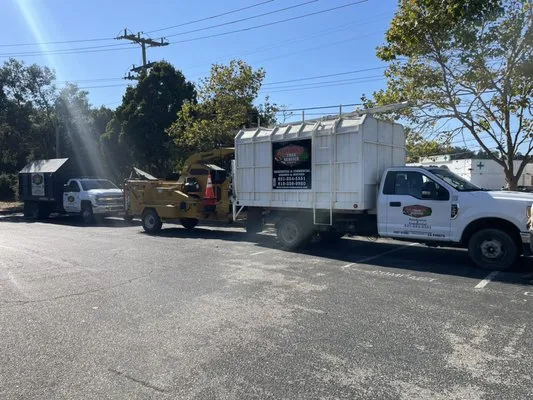
Colores Tree Service is a licensed tree service contractor based in Aromas, CA, with over 15 years of experience serving the local community. We specialize in comprehensive tree care, including trimmi...
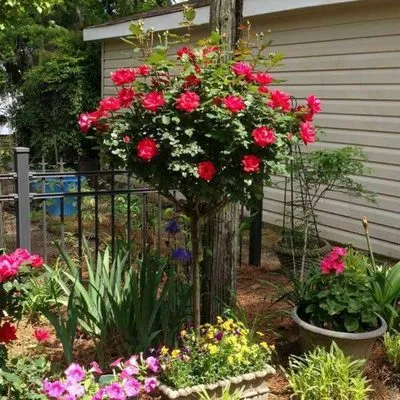
Aromas Garden Landscaping was founded in 2018 by a professional with over two decades of hands-on experience in the Monterey Bay area. My journey began in Carmel, where I learned the craft from a ment...
Guardado's Landscape is a trusted local landscaping company serving Aromas, CA, and the surrounding areas. We specialize in addressing common local landscaping challenges, particularly poor lawn gradi...

Benji's Landscape and Design is a trusted local landscaping and design firm serving Aromas, CA, and the surrounding areas. Specializing in landscape design, we help homeowners and businesses create be...
FAQs
How quickly can you respond to an emergency storm cleanup that violates HOA compliance standards?
Emergency dispatch from Aromas Grange Hall via US-101 allows arrival within 45-60 minutes during peak storm conditions. This routing accounts for typical debris clearance and traffic patterns while maintaining compliance with San Benito County Resource Management Agency requirements. Our electric equipment fleet operates within Aromas's 8:00 PM to 7:00 AM quiet hours, enabling after-hours response without noise ordinance violations. The 0.50-acre property size requires specialized equipment that we maintain on standby for rapid deployment.
What invasive species should I watch for, and how do I treat them without violating water quality guidelines?
Aromas faces particular risks from yellow starthistle, tree of heaven, and French broom invasions that threaten native plant communities. Treatment must follow Regional Water Quality Control Board Non-Point Source Guidelines regarding herbicide application timing and runoff prevention. Mechanical removal during late February's peak mulching season often proves most effective for initial control. Any chemical applications require precise calibration to prevent soil contamination in San Benito Clay Loam's 6.5-7.5 pH range.
What's the most effective solution for controlling high runoff on my sloped Aromas property?
Permeable decomposed granite hardscaping creates infiltration basins that capture and slowly release stormwater, addressing San Benito Clay Loam's high runoff characteristics. This material maintains 40-60% permeability rates while stabilizing soil against seasonal clay expansion. Installation must follow San Benito County Resource Management Agency grading permits that require specific percolation testing. Properly engineered decomposed granite systems can handle the 45-60 minute peak storm intensity typical for Aromas's topography.
What permits and licensing are required for regrading my half-acre lot in Aromas?
Grading work on 0.50-acre properties requires San Benito County Resource Management Agency permits that address erosion control and drainage management. Contractors must hold active California Contractors State License Board landscaping classification C-27 licenses with proper bonding. The permit process evaluates soil disturbance impacts on San Benito Clay Loam's stability and seasonal expansion characteristics. Professional licensing ensures compliance with Regional Water Quality Control Board guidelines regarding sediment runoff into watersheds.
Is decomposed granite or wood decking better for creating usable outdoor space in fire-prone areas?
Permeable decomposed granite provides superior fire resistance compared to wood, earning higher ratings in WUI Zone 2 defensible space assessments. This material maintains structural integrity during seasonal clay expansion while offering better drainage than compacted surfaces. Decomposed granite requires minimal maintenance and won't contribute to fuel loads during fire season. For 0.50-acre properties in high fire-risk zones, decomposed granite installations support evacuation access and firefighter mobility requirements.
How can I maintain Tall Fescue turf during Stage 1 water restrictions without wasting municipal water?
Wi-Fi ET-based weather sensing irrigation systems calculate evapotranspiration rates specific to Aromas's microclimate, applying water only when Tall Fescue actually needs it. These systems automatically adjust for temperature, humidity, and wind factors, typically reducing water use by 20-30% compared to traditional timers. Programming follows the bi-weekly March-October mowing schedule while staying within voluntary conservation guidelines. The technology prevents overwatering that would exacerbate San Benito Clay Loam's seasonal expansion issues.
Should I replace some lawn areas with native plants to reduce maintenance and equipment noise?
Transitioning from Tall Fescue to California Poppy, Coast Live Oak, Purple Sage, and Deergrass plantings significantly reduces mowing frequency and eliminates gas-powered equipment use during quiet hours. These natives require minimal irrigation once established, aligning with Stage 1 conservation goals while providing habitat connectivity. The change supports WUI Zone 2 fire-wise compliance through reduced fuel loads and strategic defensible space planning. Electric maintenance equipment operates effectively within native plantings without disturbing the 8:00 PM to 7:00 AM noise ordinance restrictions.
Why does my Aromas Town Center yard have such dense, compacted soil that resists water penetration?
Properties built around 1981 in Aromas Town Center have 45-year-old soil profiles that have settled into San Benito Clay Loam's natural compaction tendencies. This soil type develops low permeability over decades, restricting root growth and water infiltration. Core aeration with organic amendments like composted bark or aged manure is necessary to improve soil structure and oxygen availability. Without intervention, this mature clay loam will continue to exhibit poor drainage and limited nutrient cycling capacity.
