Top Landscaping Services in Armona, CA, 93202 | Compare & Call
There are 240 landscaping companies server in Armona CA

Providence Horticulture, Inc. is a locally owned and operated Fresno company led by certified arborist Robert, who has over 13 years of hands-on experience. Founded in 2000, the company combines deep ...
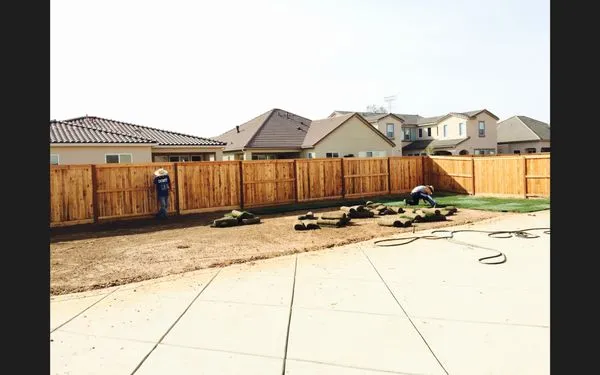
GreenVision Landscaping is a full-service landscaping company serving Fresno, CA, specializing in creating and maintaining beautiful, sustainable outdoor spaces. We offer comprehensive services includ...

Divine Landscape
Divine Landscape has been a trusted name in Visalia, Tulare, Kings, and Fresno counties since 2010. We specialize in transforming outdoor spaces with a comprehensive approach that includes custom land...
Mendoza's Landscaping is a full-service landscaping company serving Fresno, CA, with expertise in both design and construction. We specialize in comprehensive solutions including landscape design, irr...
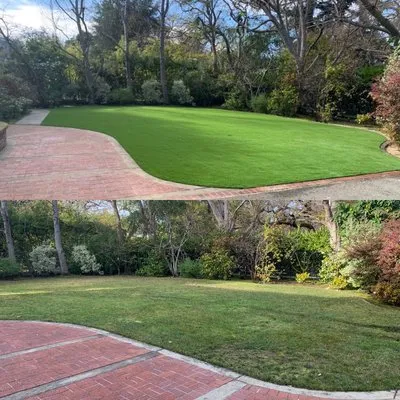
Bloom and Lawn Landscape brings over 15 years of expertise to Hollister and the surrounding San Benito County, now proudly serving the Fresno Central Valley as well. We are a full-service landscape co...
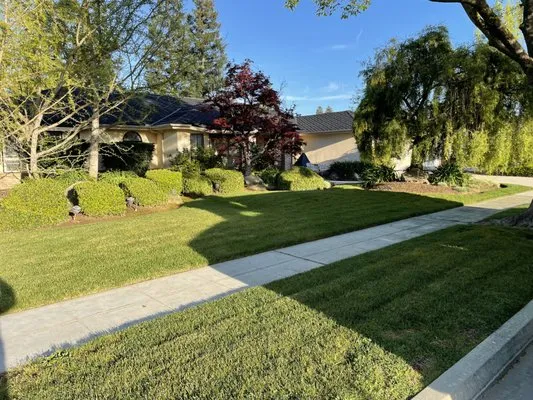
All Green Landscape is a locally owned and operated company serving Fresno, CA, with expertise in lawn care, plumbing inspection, and fencing services. We focus on delivering reliable, detailed work f...
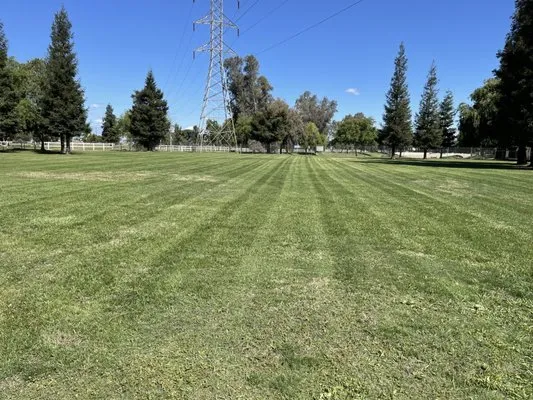
Jr Landscaping Maintenance is your trusted local partner for keeping Fresno properties healthy and beautiful. We specialize in comprehensive tree and lawn services, from routine lawn care and expert t...
Top Quality Landscaping is your Bakersfield partner for creating and maintaining beautiful, resilient outdoor spaces. We specialize in comprehensive services from landscape design and irrigation to la...
Rancho Tree Service
Rancho Tree Service is a licensed and experienced provider serving Kern, Tulare, and Kings Counties from our Bakersfield base. For over 15 years, we have built a reputation for reliable residential an...
Campbell Construction is a trusted Bakersfield-based contractor specializing in landscaping, masonry/concrete, and excavation services. With expertise in soil backfilling, earthmoving, excavation, and...
Estimated Landscaping Service Costs in Armona, CA
Common Questions
Can I maintain healthy turf while following Armona's Stage 2 water conservation rules?
Wi-Fi ET-based weather sensing irrigation preserves Tall Fescue or Hybrid Bermuda turf within voluntary conservation limits. These systems adjust watering schedules daily based on evapotranspiration rates, reducing consumption 20-30% compared to timer-based systems. Programming follows municipal water budgets while preventing dormancy during peak summer months. Regular nozzle audits ensure uniform distribution without exceeding soil percolation rates in clay loam conditions.
What invasive species threaten Armona landscapes, and how do I treat them safely?
Yellow starthistle and tree-of-heaven present primary invasive risks in Armona's moderate fire zone. Manual removal before seed set avoids herbicide use during State Water Board blackout dates. For established infestations, targeted glyphosate applications in early spring minimize non-point source runoff. Always verify treatment windows with Kings County extension services to comply with fertilizer ordinance restrictions. Monitoring for re-growth ensures complete eradication without soil contamination.
Why does my Armona Town Center yard have such hard, compacted soil that struggles to absorb water?
Armona lots developed around 1991 have 35-year-old soil profiles with alkaline clay loam (pH 7.5-8.2) that naturally compacts over decades. This soil type in Armona Town Center experiences reduced permeability due to calcium carbonate accumulation from irrigation water. Core aeration every 2-3 years with organic amendments like composted manure addresses compaction while lowering pH toward neutral. Soil testing before amendment ensures proper nutrient balance without overcorrecting alkalinity.
Are permeable pavers better than wood decking for Armona's climate and fire risks?
Permeable concrete pavers outperform wood in longevity, requiring no sealing or replacement in Armona's alkaline soil conditions. Their non-combustible nature supports moderate Fire Wise ratings by creating defensible space around structures. Unlike wood, pavers resist termite damage and won't warp from irrigation salinity. Installation with proper base materials ensures 25+ year service life while meeting WUI buffer zone requirements for ember resistance.
What permits and licenses are needed for grading my 0.22-acre Armona property?
Grading projects exceeding 50 cubic yards require Kings County Community Development Agency permits with engineered drainage plans. California Contractors State License Board (CSLB) licensing is mandatory for any excavation deeper than 18 inches on 0.22-acre lots. Licensed professionals carry insurance covering soil displacement and utility line protection. Unlicensed grading risks fines up to $5,000 plus restoration costs for improper slope stabilization in clay loam soils.
How quickly can you respond to emergency storm damage for HOA compliance in Armona?
Emergency cleanup crews dispatch from Armona Park via CA-198 with 20-30 minute arrival during peak response windows. This routing avoids residential congestion while maintaining compliance with Kings County's 8:00 AM to 7:00 PM noise ordinance. Electric equipment fleets operate within decibel limits for after-hours emergencies. Documentation for HOA compliance includes timestamped arrival photos and debris removal verification.
What solutions address poor drainage and salt buildup in Armona's clay soils?
High salinity accumulation in alkaline clay loam requires French drains with gravel reservoirs to improve percolation. Permeable concrete pavers meet Kings County Community Development Agency runoff standards by allowing 5-8 inches per hour infiltration. Subsurface drainage systems should include cleanouts for periodic flushing to remove salt deposits. Grade adjustments of 2% slope direct water away from foundations while preventing erosion during heavy rainfall.
How can I reduce maintenance while preparing for electric equipment requirements?
Replacing high-maintenance turf with California Poppy, Narrowleaf Milkweed, Deergrass, and Western Redbud creates low-water landscapes that thrive in Zone 9b. These natives require minimal pruning, eliminating gas-blower dependency ahead of noise ordinance transitions. Established native plantings need only seasonal attention, reducing weekly mowing schedules to quarterly maintenance. This approach supports 2026 biodiversity standards while cutting water use by 60-70%.
