Top Landscaping Services in Antioch, CA, 94509 | Compare & Call

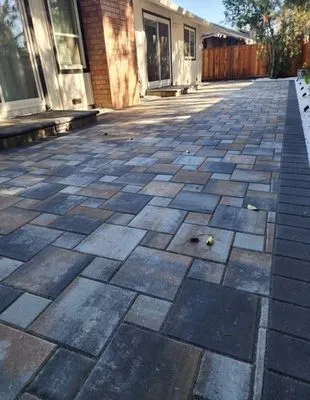
Second Generation Landscaping is a family-owned and operated contractor proudly serving Antioch and the surrounding communities for over a decade. We treat every project, big or small, with the same d...
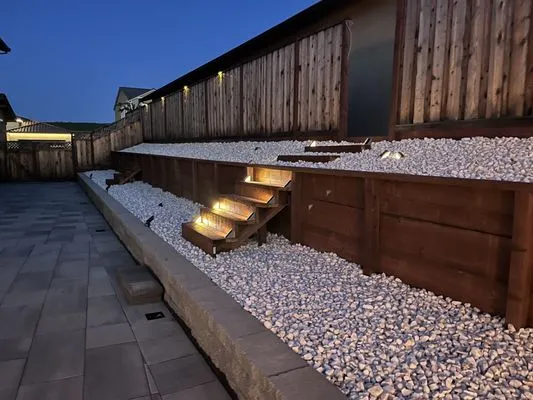
For over two decades, BDC Landscape has been a trusted, licensed, and bonded partner for homeowners across Antioch and the Bay Area. Our team brings a deep well of experience to every project, from co...
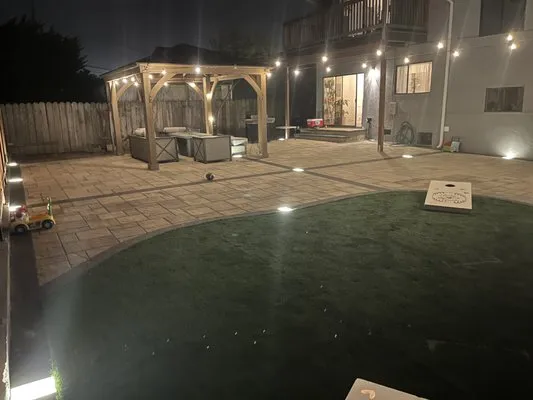
Westcoast Hardscape is a locally-owned hardscape contracting business in Antioch, CA, established in 2017. We specialize in creating custom outdoor spaces, including kitchens, patios, and fire pits, w...
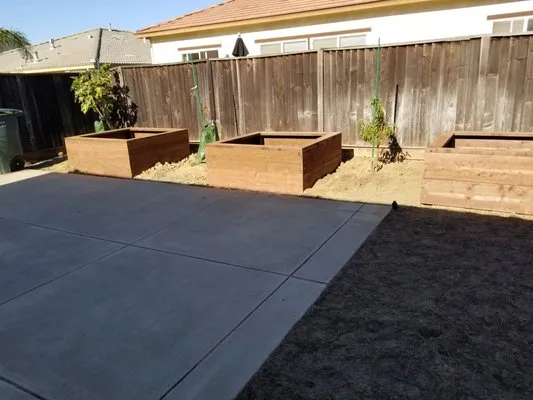
Jimenez Landscape Construction is a trusted name in Antioch, built on over two decades of dedicated service. Founded on a genuine passion for plants, enhancing homes, and helping our neighbors, we app...
Campos Landscaping and Tree Service is a trusted, licensed provider serving Antioch, CA, for over a decade. Founded with a hands-on approach to lawn care and tree work, we have grown into a full-servi...
Oly Landscape Construction
Oly Landscape Construction Corporation has been a trusted local name in Antioch for over two decades, founded on Olegario Gonzalez's dedication to the craft. We provide a comprehensive range of servic...
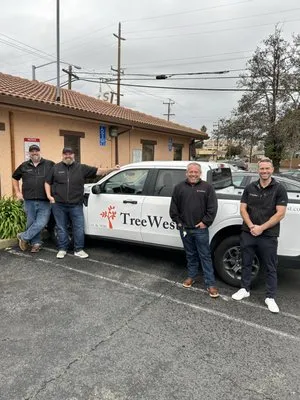
Tree West is your local Antioch partner for a complete, healthy outdoor space. We are a full-service team dedicated to landscaping, irrigation, and tree care, providing reliable solutions for both res...
Ochos Landscaping has been serving the East Bay community since 1999, providing reliable landscaping solutions for residents in Antioch, Brentwood, Concord, Walnut Creek, San Ramon, Pleasanton, and Li...
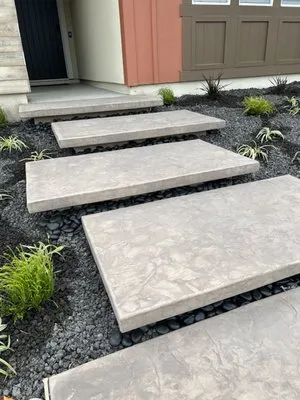
Three Lions Landscape is a dedicated landscaping and hardscaping contractor based in Antioch, CA. We specialize in transforming outdoor spaces with custom-built features like outdoor kitchens, fire pi...
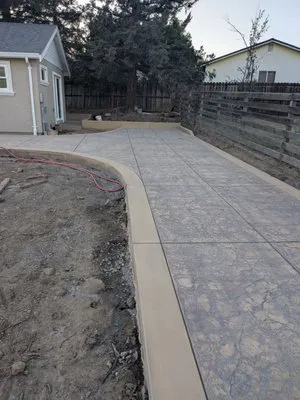
Eagle Eye Landscape is a trusted landscaping, masonry, and fencing contractor serving Antioch, CA homeowners. We specialize in comprehensive outdoor solutions including earthmoving, fence installation...
FAQs
Can I maintain Tall Fescue turf while following Antioch's Stage 2 water restrictions?
Wi-Fi ET-based weather sensing irrigation systems automatically adjust watering schedules using real-time evapotranspiration data from local weather stations. These systems reduce Tall Fescue water use by 25-40% compared to traditional timers while maintaining turf health. Programming follows Antioch's voluntary conservation guidelines, prioritizing deep, infrequent watering during cooler morning hours to minimize evaporation and comply with municipal water limits.
How quickly can you respond to an HOA violation notice for overgrown vegetation?
Emergency cleanup crews dispatch from Antioch Community Park via CA-4, reaching Lone Tree properties in 25-35 minutes during peak traffic. We maintain electric equipment fleets that comply with Antioch's noise ordinance prohibiting gas-powered operation from 7 PM to 8 AM. This allows immediate response to compliance issues while avoiding violation fines, with most overgrowth situations resolved within a single service visit.
What solutions prevent runoff problems in Antioch's expansive clay soil?
Expansive clay loam in Antioch creates high runoff during winter rains. Installing permeable concrete pavers with 5-8mm joint spacing allows 3-5 inches per hour infiltration, meeting Antioch Community Development Department's stormwater management standards. For existing hardscapes, French drains with clean washed gravel and geotextile fabric redirect water away from foundations. These systems prevent soil saturation that leads to structural damage in clay soils.
What drought-tolerant alternatives work better than high-maintenance turf?
Replacing water-intensive turf with California Poppy, Western Redbud, Purple Sage, and Deer Grass creates resilient landscapes requiring 80% less irrigation. These natives support local pollinators while eliminating weekly mowing and gas-powered equipment use. Transitioning to electric maintenance tools ahead of Antioch's noise ordinance restrictions reduces operational noise and emissions, with established native plantings needing only seasonal pruning rather than frequent blowing.
What permits and licenses are needed for grading my 0.15-acre lot?
Grading projects on 0.15-acre lots require Antioch Community Development Department permits for any cut/fill exceeding 50 cubic yards. California Contractors State License Board C-27 landscaping licenses are mandatory for contractors performing this work, ensuring proper erosion control and drainage implementation. Unlicensed grading risks fines up to $5,000 and voided insurance coverage, particularly important in clay soils where improper grading causes foundation issues.
Are permeable pavers better than wood decking for fire safety?
Permeable concrete pavers provide superior fire resistance compared to combustible wood materials, crucial in Antioch's Moderate WUI Buffer Zone. They create defensible space without organic fuel accumulation, with a Class A fire rating versus wood's Class C. Pavers maintain structural integrity during seasonal clay expansion and contraction, lasting 25+ years with minimal maintenance versus wood's 10-15 year lifespan requiring regular sealing and replacement.
Why does my Lone Tree neighborhood soil feel so compacted and alkaline?
Antioch's Lone Tree area has clay loam soil with pH 7.5-8.2, typical of Contra Costa County's alluvial deposits. Homes built around 1985 have 41-year-old soil profiles where decades of irrigation without organic amendments have increased compaction and alkalinity. This soil requires annual core aeration in early spring to improve percolation, plus applications of elemental sulfur or acidified compost to gradually lower pH for optimal plant nutrient availability.
How do I control invasive species without chemical runoff concerns?
Mediterranean grass and yellow starthistle present the highest invasion risks in Antioch's clay loam. Manual removal during early growth stages prevents seed set without herbicides. For established infestations, targeted spot treatments with glyphosate alternatives like iron-based herbicides avoid Clean Water Act violations regarding nitrogen and phosphorus runoff. Apply during dry periods in late spring when soil moisture is low to prevent chemical movement into watersheds.
