Top Landscaping Services in Amador Pines, CA, 95666 | Compare & Call
There are 82 landscaping companies server in Amador Pines CA
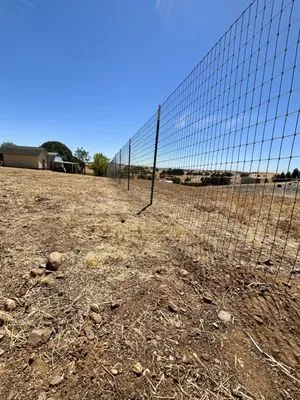
Perimeter 1 Fencing is a trusted, family-owned and operated business serving Diamond Springs, CA. We specialize in comprehensive fencing, gate, and property enhancement services, from installation and...
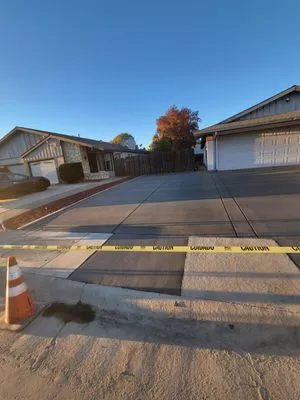
TM Concrete is a Sacramento-based contractor specializing in masonry, concrete, and landscaping services. With expertise in artificial turf, irrigation, and hardscape construction, we help local homeo...

EB Landscaping is your Rocklin-based partner for creating and maintaining a healthy, beautiful outdoor space. We focus on providing reliable, high-quality lawn care and landscape maintenance services ...

Gold Leaf Landscaping is a local Jackson, CA company dedicated to enhancing and protecting properties throughout Amador County and the surrounding region. We specialize in creating beautiful, function...
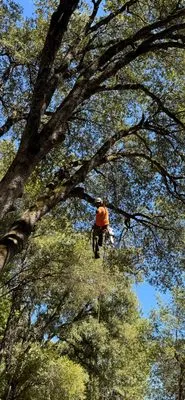
A Cut Above is a locally-owned tree and landscape service based in Volcano, CA, dedicated to the health and safety of the community's natural surroundings. With decades of combined experience, our cer...
JK&L Landscape and Yard Cleaning began as a weekend passion project, a way to build something meaningful while balancing full-time work. Tired of the instability of moving from job to job, the owner m...
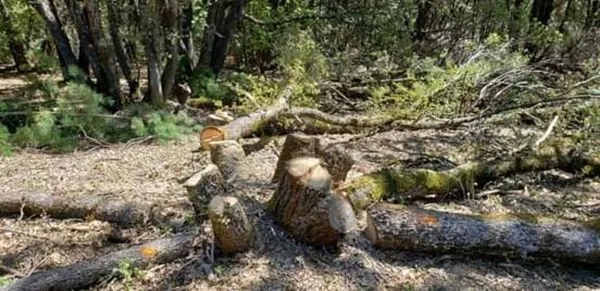
Motherlode Outsiders Maintenance is a Pine Grove-based contractor dedicated to providing practical, reliable outdoor solutions for local property owners. We specialize in transforming and maintaining ...

R E Precision Lawncare is a trusted lawn care provider serving Sonora, CA. We specialize in expert lawn care services designed to combat the specific challenges of our local climate, including lawn dr...
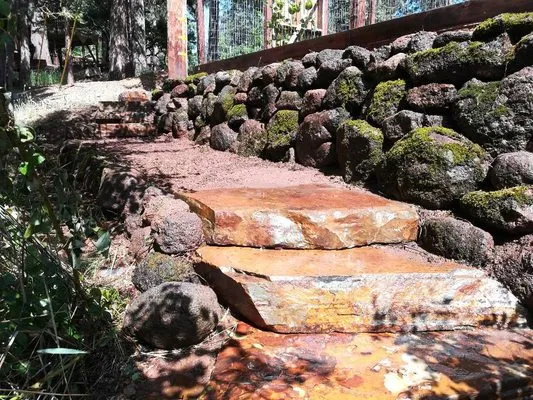
MountainSide Landscaping is a C-27 licensed contractor serving Twain Harte and the surrounding communities with comprehensive landscape solutions. For over two years, we have built a reputation on rel...
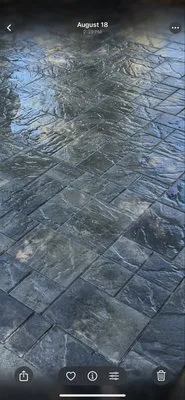
Hello, I'm Pedro Valtierra. My family and I have called Jackson home for over two decades, and it's here that I started Valtierra Landscape in 2025, bringing many years of hands-on experience to every...
Estimated Landscaping Service Costs in Amador Pines, CA
Question Answers
How quickly can you respond to an emergency storm cleanup for HOA compliance?
An emergency dispatch from our central staging near the Amador County Fairgrounds uses CA-49 for primary access to Sierra Foothill Estates. Accounting for peak traffic and storm debris, a dedicated crew with electric chippers and grapple loaders can typically be on-site within the 45-60 minute window. This protocol prioritizes clearing drainage paths and securing hazardous limbs to meet immediate safety and covenant standards.
Why is proper licensing so important for grading and drainage work on our property?
Any significant grading on a 0.35-acre lot that alters water flow or involves retaining walls over 4 feet typically requires a permit from the Amador County Planning Department. The work must be performed by a contractor holding a C-27 Landscaping or C-12 Earthwork license from the CSLB. This ensures adherence to engineered plans, liability insurance coverage, and compliance with state sediment control laws, protecting you from costly fines and property damage.
Why does our soil seem so compacted and poor here in Sierra Foothill Estates?
Soil maturity on lots from the 1982 development period is approximately 44 years. The prevalent acidic granitic loam naturally compacts over decades of standard maintenance, limiting root penetration and water infiltration. This history necessitates annual core aeration and the incorporation of coarse organic compost to rebuild structure and cation exchange capacity, directly countering the inherent low pH and low permeability.
What are the long-term benefits of replacing lawn with native plants?
Transitioning to a palette of California Poppy, Foothill Penstemon, Deergrass, and Western Redbud eliminates weekly mowing and drastically reduces irrigation demand. This xeriscape approach creates a fire-resilient landscape compliant with WUI Zone 2 standards and preempts tightening noise ordinances by removing the need for gasoline-powered blowers. The resulting habitat supports local pollinators and requires only an annual pruning with electric equipment.
Is decomposed granite or wood better for a new patio in our high-fire zone?
Decomposed granite is superior for defensible space in Very High fire risk zones. Unlike wood, it is a non-combustible, inorganic material that does not ember or contribute fuel load. When compacted and stabilized, it provides a durable, permeable surface that complements local fieldstone. This choice directly supports WUI Zone 2 compliance by creating a critical firebreak that requires no chemical treatments or decay maintenance.
How do we keep our Tall Fescue lawn green during voluntary water conservation?
Stage 1 restrictions make precision irrigation non-optional. A properly calibrated Wi-Fi ET-based system schedules irrigation by subtracting local rainfall from real-time evapotranspiration data. For dwarf Tall Fescue varieties, this means deep, infrequent watering cycles timed for early morning, which can reduce annual water use by 20-30% while maintaining turf health and complying with municipal guidelines.
Our sloped yard is eroding; what's a durable solution that also looks good?
Erosion on slopes is acute in granitic loam due to low aggregate stability. A tiered solution begins with subsurface French drains wrapped in non-woven geotextile, then surfaces with permeable decomposed granite secured by a polymer stabilizer. Integrating local fieldstone for check dams and retaining walls manages flow velocity. This system often meets the Amador County Planning Department's stormwater runoff standards without requiring extensive impervious cover.
What invasive species should we watch for, and how are they treated safely?
Primary alerts are for Yellow Starthistle and Medusahead, which thrive in disturbed acidic soils. Manual removal before seed set is most effective. For established patches, a targeted, non-residual herbicide applied in late spring—strictly outside the state-mandated Nitrogen Management Standards blackout dates—is used. This is followed by seeding competitive native grasses to prevent reinfestation, ensuring treatments are precise and ecologically sound.
