Top Landscaping Services in Altadena, CA, 91001 | Compare & Call
There are 230 landscaping companies server in Altadena CA
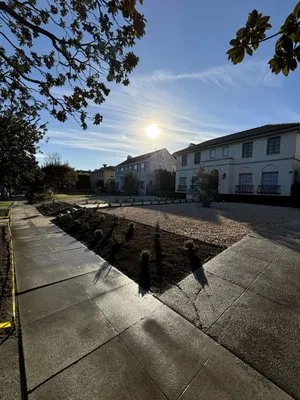
Dario Landscaping is a family-owned landscaping company dedicated to enhancing properties throughout Kagel Canyon, Los Angeles County, and Ventura County. We provide a comprehensive range of services ...
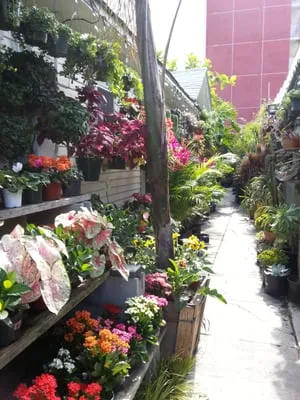
Mickey Hargitay Plants is a Los Angeles nursery and landscaping specialist with deep roots in the community since 1980. We focus on helping local residents and businesses create thriving green spaces ...
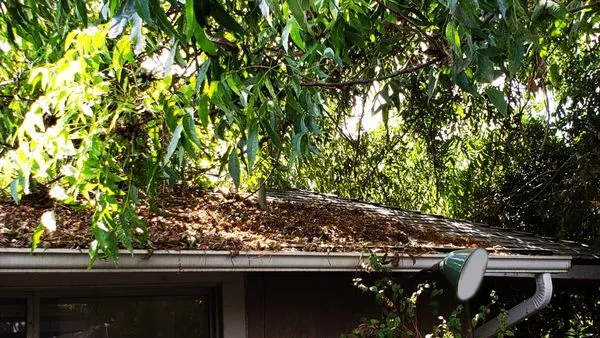
Glez Tree Service is a family-owned and operated tree and landscape care provider with over 30 years of experience serving Burbank and the San Fernando Valley. We offer comprehensive services, from ro...

Serenity Gardening & Landscaping Services
Serenity Gardening & Landscaping Services is a locally owned and operated landscaping company serving City of Industry and surrounding areas. With over 15 years of professional experience, we speciali...
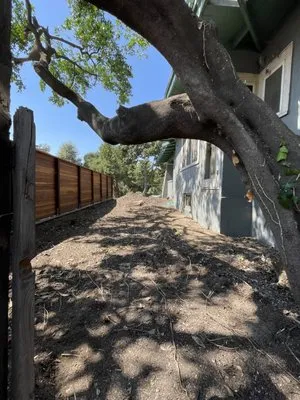
Santiago’s Landscape Services, led by licensed contractor Santiago Banuelos (#1063644), is your trusted local partner for all aspects of outdoor home care in Altadena. We offer comprehensive professio...
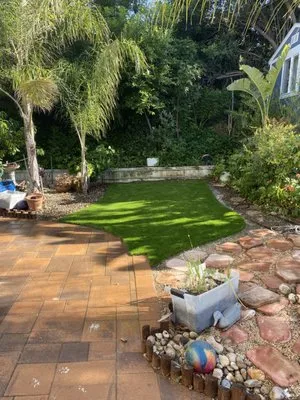
Wild Landscape is a Los Angeles-based lawn, tree, and irrigation specialist dedicated to creating resilient, water-wise outdoor spaces. We understand the unique challenges Southern California homeowne...
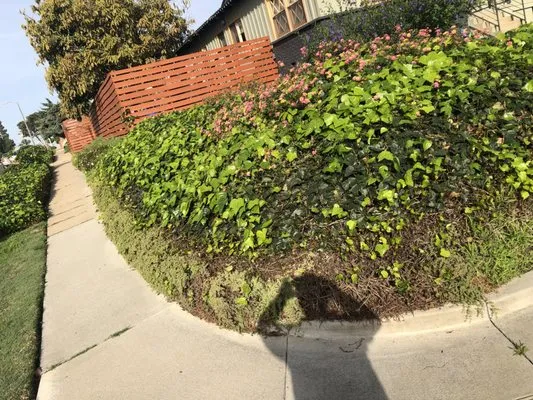
Aquatic Irrigations is your Los Angeles partner for a healthy, green landscape. We understand the local challenges homeowners face, like persistent dry and bare lawn patches caused by inefficient wate...
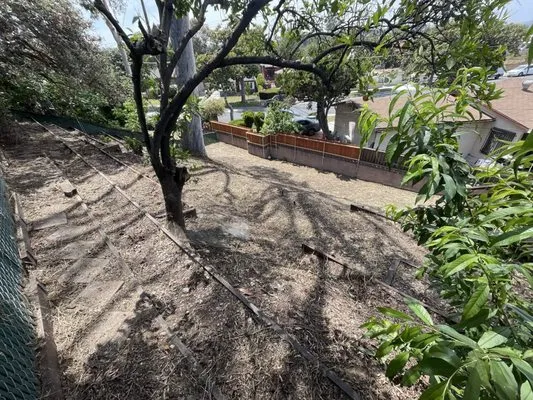
Miguel's Gardening Service is a licensed and locally owned landscaping business serving Altadena and the surrounding communities. For over 20 years, Miguel and his team of experienced tree pruners and...
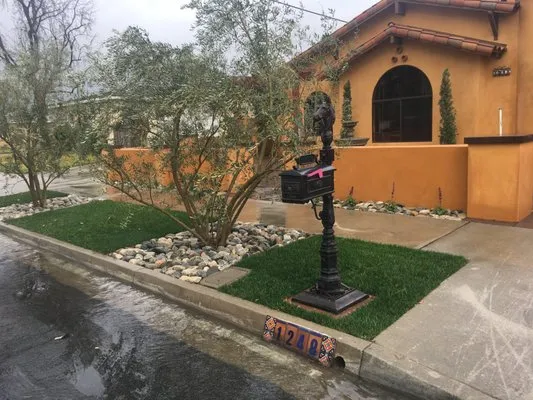
Joel & Sons Landscape Construction is a family-owned and operated business that has been beautifying Covina and the surrounding San Gabriel Valley since 2002. Founded by Joel and now working alongside...

Founded in 1994 by Claudine Josselyn and Edward Ordookhanian, Creative Concepts Landscape grew from a deep-rooted passion for Los Angeles gardens into a trusted, full-service landscape firm in La Cres...
Estimated Landscaping Service Costs in Altadena, CA
Frequently Asked Questions
What should I do about invasive weeds without using harsh chemicals?
Vigilance for invasive species like mustard or fountain grass is key in this ecosystem. Treatment prioritizes mechanical removal and targeted organic herbicides to protect soil biology. Any application must comply with the Regional Water Quality Control Board's MS4 Permit, which restricts nutrient runoff. This often means adhering to seasonal blackout dates to prevent fertilizers and herbicides from entering watersheds during rainy periods.
Is Decomposed Granite a good choice for patios and paths in a fire-prone area?
Yes, Decomposed Granite is a superior, non-combustible material for hardscaping in Very High Fire Hazard Severity Zones. It provides a stable, permeable surface that contributes to required defensible space by eliminating flammable organic mulch or wood near structures. When properly installed and compacted, it offers longevity and minimal maintenance while meeting fire agency recommendations for Zone 1-3 compliance around your home.
How can I keep my Tall Fescue lawn alive with only two watering days a week?
Under Stage 2 voluntary conservation, efficient watering is mandated. Wi-Fi ET-based smart controllers are essential; they automatically adjust schedules using local weather data to replace only the water lost to evaporation. For Dwarf Tall Fescue, this means deeper, less frequent irrigation cycles that promote drought-tolerant roots while strictly adhering to the two-day-per-week limit, maximizing each gallon applied.
Why does my landscaper need a special license to regrade my backyard?
Grading and earthwork on a 0.22-acre lot that alters drainage patterns or slope stability is regulated work. It requires a contractor holding a C-27 Landscaping license from the California Contractors State License Board (CSLB). Furthermore, significant grading often necessitates a permit from the Los Angeles County Department of Regional Planning to ensure the work does not create erosion or runoff hazards for neighboring properties, a critical consideration in the foothills.
What is your emergency response time for storm debris cleanup?
For urgent HOA compliance or post-storm debris flow mitigation, our dispatch from the Eaton Canyon Nature Center area uses I-210 for primary access. Accounting for peak traffic and local road conditions, we maintain a target arrival window of 35 to 50 minutes. Our fleet consists of electric-only equipment to comply with county noise ordinances during immediate cleanup operations.
My sloped yard has erosion after heavy rain. What solutions are permitted?
High slope erosion and debris flow potential are significant in Granitic Sandy Loam. Permeable hardscapes like Decomposed Granite are a primary solution, allowing water to infiltrate rather than run off. These systems must be engineered to manage flow rates and often require a grading permit from the Los Angeles County Department of Regional Planning to ensure they meet current runoff and sediment control standards.
Is there a lower-maintenance alternative to my traditional lawn that also reduces noise?
Transitioning to a climate-adaptive landscape with natives like Cleveland Sage, Toyon, and White Sage drastically reduces water and maintenance needs. This approach eliminates the frequent mowing and blowing that gas equipment requires, keeping you ahead of Altadena's electric-only blower mandate. A native palette supports local biodiversity and creates a resilient, fire-adapted habitat that aligns with 2026 ecological standards.
Why does my soil seem so compacted and difficult to work with?
Homes in the Altadena Foothills, built on average in 1946, sit on soil that is now 80 years mature. The native Granitic Sandy Loam naturally compacts over decades of foot traffic and irrigation. This reduces soil percolation and root penetration for plants. Core aeration and incorporating organic compost are critical to restore structure and water infiltration in these established landscapes.
