Top Landscaping Services in Alpine, CA, 91901 | Compare & Call
There are 239 landscaping companies server in Alpine CA
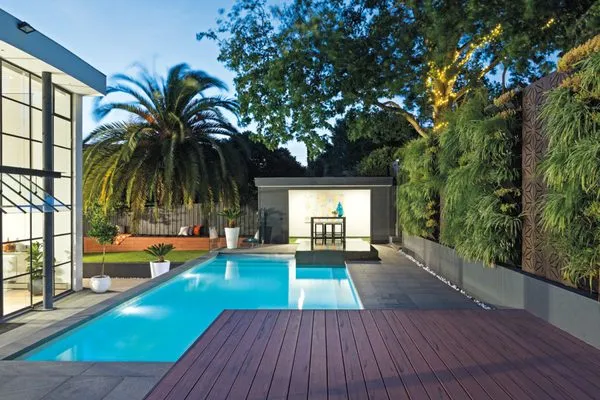
Shalin Design is a premier indoor and outdoor landscaping firm serving San Diego and the surrounding communities. We specialize in creating beautiful, sustainable landscapes that are as functional as ...
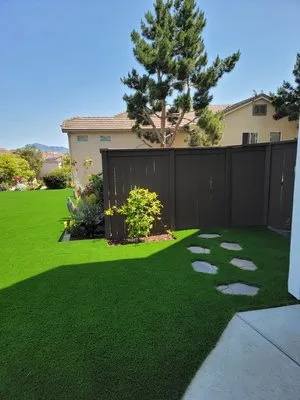
Evolution Turf is a San Diego-based landscaping company specializing in artificial turf solutions. We help homeowners transform their outdoor spaces with durable, low-maintenance synthetic grass that ...
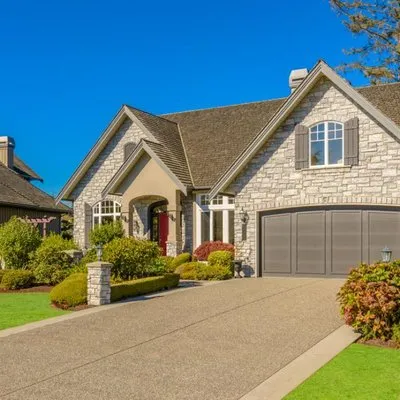
Ace Landscape is a San Marcos-based licensed contractor specializing in comprehensive outdoor solutions. We combine design expertise with skilled construction to manage projects from initial concepts ...
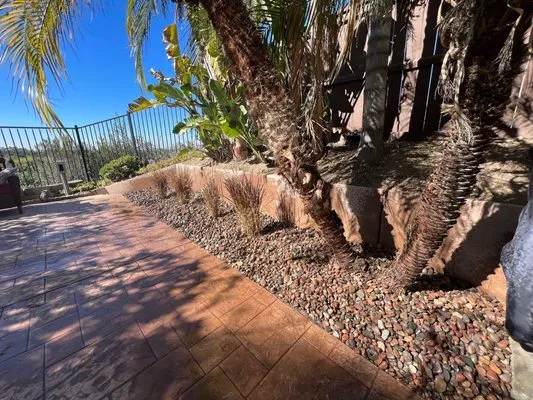
Serene Lawncare & Landscaping
Serene Lawncare & Landscaping is a trusted, local El Cajon business providing comprehensive outdoor solutions, including junk removal, lawn care, and fence services. We specialize in addressing common...

Heald Irrigation Systems is built on a foundation of honesty, integrity, and good morals, ensuring every project is done right. Owner and mechanical engineer Rick Heald entered the industry unexpected...
Simple-Gro Lawncare Services has been helping San Diego homeowners achieve healthier, greener lawns since 2016. Founded by specialists with over a decade of lawncare experience, the company started wi...
Steady Bros Construction
Steady Bros Construction is a San Diego-based, full-service firm specializing in landscaping, design, and demolition. We understand the unique challenges local homeowners face, such as clogged drip ir...
Roberto's Tree and Lawn Work is a family-owned and operated business serving El Cajon and the surrounding communities. Founded in 2020 by a father and son team, what began as a way to provide stabilit...

San Marcos Landscape & Tree Service is a trusted, locally-owned company with over three decades of experience serving San Diego County. Led by California Licensed Arborists, we provide a comprehensive...
Estimated Landscaping Service Costs in Alpine, CA
Question Answers
Is decomposed granite better than wood for our fire-prone property?
Decomposed granite provides superior fire resistance with zero combustible material, critical for Extreme fire-wise rated zones. Unlike wood decking that requires flame-retardant treatments, granite's mineral composition meets WUI Zone 3 defensible space requirements inherently. Permeable concrete pavers offer similar benefits with 40-year longevity versus wood's 15-year replacement cycle. Both materials maintain 5-foot non-combustible zones around structures while allowing emergency vehicle access across 0.50-acre lots.
We need emergency storm debris removal to meet HOA compliance deadlines. What's your fastest response time to Alpine?
Our electric fleet dispatches from the Alpine Community Center via I-8 with 45-60 minute peak response during storm events. This routing avoids traffic bottlenecks near Descanso while accommodating San Diego County's noise ordinance restrictions on equipment hours. We prioritize steep slope stabilization first, using tracked electric loaders that operate within decibel limits for residential zones.
We've spotted invasive yellow starthistle. How do we treat it without violating fertilizer regulations?
Yellow starthistle requires immediate manual removal before seed set in late spring, followed by soil solarization during June-July heat. We avoid chemical treatments that risk nitrogen runoff under Regional Water Quality Control Board MS4 permit regulations. Instead, we apply mycorrhizal inoculants to compete with invasive root systems. Treatment scheduling avoids blackout dates near waterways, using organic herbicides only during approved application windows with less than 5% slope runoff risk.
Our steep slope erodes during heavy rains. What solutions work with Alpine's soil conditions?
Granitic decomposed soils have high runoff potential requiring engineered drainage solutions. We install French drains with 3/4-inch clean rock wrapped in non-woven geotextile, placed 18-24 inches below grade to intercept subsurface flow. Surface applications of decomposed granite and permeable concrete pavers increase infiltration rates to meet San Diego County Planning & Development Services' 2026 runoff standards. Contour grading with native Deergrass stabilizes slopes while allowing natural percolation.
What permits and licenses are needed for regrading our half-acre slope?
Grading on 0.50-acre Alpine properties requires San Diego County Planning & Development Services permits for any cut/fill exceeding 50 cubic yards. The California Contractors State License Board mandates C-27 landscaping classification with additional earthwork endorsement for slope stabilization. Licensed professionals must submit erosion control plans demonstrating compliance with 2026 sediment runoff standards. Unlicensed grading risks $5,000-10,000 fines plus restoration costs, as steep slopes fall under strict hillside development ordinances.
Should we replace high-maintenance turf with native plants to reduce gas equipment use?
Transitioning to California Lilac, White Sage, and Toyon reduces mowing frequency by 80% while providing year-round habitat value. These natives establish deep root systems within 2-3 growing seasons, eliminating the need for bi-weekly maintenance during March-June and September-November peaks. Electric hand tools maintain these plantings quietly within noise ordinance hours. The conversion also enhances WUI Zone 3 defensible space compliance through strategic placement of Coast Live Oak.
Our Alpine Heights yard seems compacted and drains poorly. Could this be related to our 1989-built home's original soil?
Alpine Heights lots from the late 1980s have 37-year-old soil profiles with acidic to slightly alkaline granitic decomposed parent material. This soil type naturally develops low permeability over decades, especially on slopes where organic matter depletion accelerates compaction. Core aeration with compost amendments addresses the pH 6.2-7.5 range by improving cation exchange capacity. Regular soil testing every 3-5 years monitors phosphorus availability in these mature landscapes.
How can we maintain Tall Fescue under Stage 2 water restrictions without brown spots?
Wi-Fi ET-based weather sensing with soil moisture sensors reduces irrigation by 30-40% while preserving turf health. The system calculates evapotranspiration rates specific to Alpine's 9b microclimate, applying water only during optimal absorption windows. We program separate zones for UC Verde Buffalo Grass areas, which require 50% less moisture than traditional turf. Monthly sensor calibration ensures compliance with municipal water budgets during drought periods.
