Top Landscaping Services in Acton, CA, 91390 | Compare & Call
There are 230 landscaping companies server in Acton CA
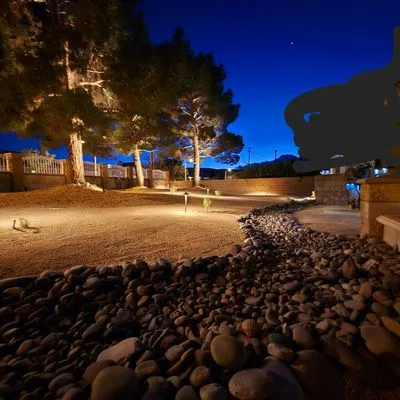
Bill's Landscaping is a licensed and bonded company serving homeowners across Lancaster and the Antelope Valley. We specialize in creating functional and beautiful outdoor spaces tailored to our high-...
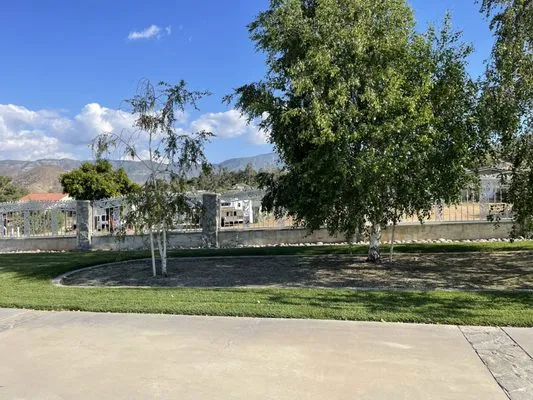
West Pro Landscape is a full-service landscaping company serving Littlerock, CA, specializing in comprehensive outdoor solutions for local homeowners. We address common local issues like irrigation sy...
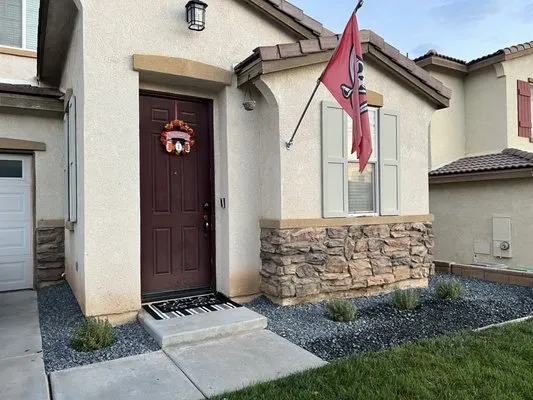
Agro-Tech Landscape Construction is a Lancaster-based landscape company serving the Antelope Valley. We specialize in creating and maintaining beautiful, functional outdoor spaces for both homes and b...
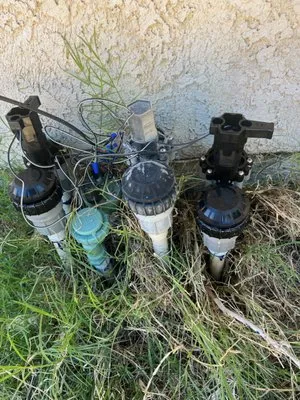
Rodriguez Landscaping & Gardening Services is a family-owned business dedicated to enhancing the outdoor spaces of Lancaster residents. We handle the full scope of your exterior needs, from routine la...
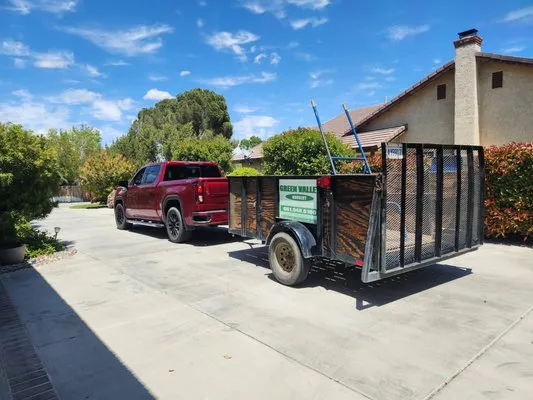
Green Valley Nursery in Lancaster, CA, is a specialized nursery established in 2013, focusing on plants that thrive in the Antelope Valley's extreme climate with hot summers and cold winters. Our expe...
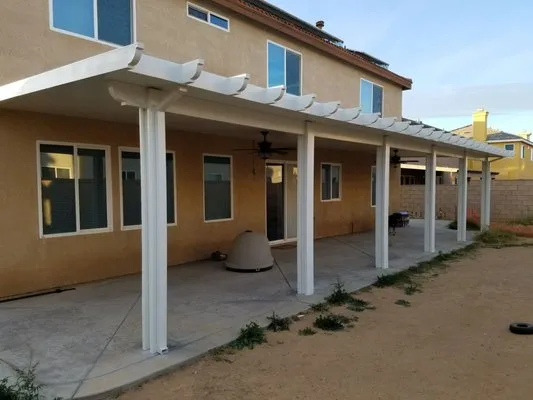
Kevin Brown Landscaping has been serving Antelope Valley homeowners since 1986, growing from a small side job into a trusted local business. What began as Kevin's pursuit while training to become a fi...
Landscape Connection Group
Landscape Connection Group is a fully licensed and insured landscaping company serving Lancaster, CA, with over 15 years of experience in both commercial and residential projects. Founded and led by o...
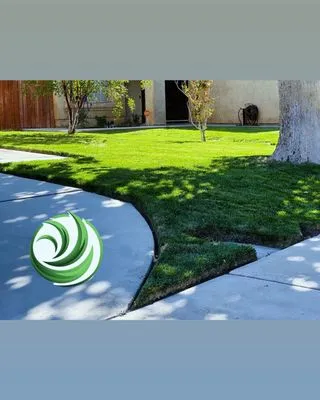
Opal View is a comprehensive landscaping and design firm serving Lancaster, CA, and the surrounding Antelope Valley. We specialize in transforming outdoor spaces through expert earthmoving, irrigation...
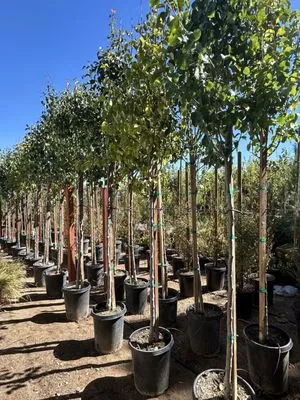
Evergreen Nursery is a Palmdale-owned nursery, founded in 2014, where a passion for plants grew into a community resource. The dream was to create a welcoming space with a great selection of trees, pa...
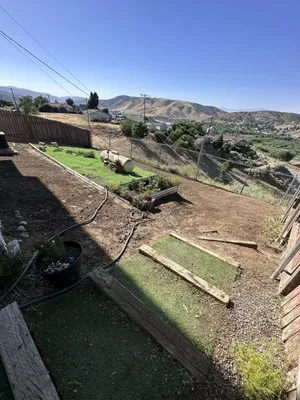
Blue Jay Landscaping in Lancaster, CA, is a locally owned and operated business with deep roots in the community. Founded by someone who learned the trade from their grandfather, the company brings ov...
Estimated Landscaping Service Costs in Acton, CA
Q&A
We have an invasive weed taking over. How do we treat it without harming the environment?
First, identify the species; common threats here include Yellow Starthistle or Sahara Mustard. Manual removal before seed set is most effective. For persistent perennials, targeted, organic spot-treatments using herbicides like iron-based or acetic acid formulas are permissible. Crucially, these methods avoid synthetic nitrogen runoff, complying with the local fertilizer ordinance protecting riparian zones. A consistent monitoring and manual removal schedule is the cornerstone of long-term control without ecosystem harm.
How can we keep our Tall Fescue healthy under Stage 2 water conservation rules?
Effective irrigation under voluntary conservation mandates precision. A Wi-Fi ET-based system is essential; it automatically adjusts schedules using local weather station data for evapotranspiration (ET), applying water only when the landscape actually needs it. This technology can reduce water use by 20-30% compared to traditional timers. For Tall Fescue, deep, infrequent watering cycles that encourage deep root growth are programmed, ensuring turf health while operating well within municipal water budgets.
Our property has serious erosion after heavy rain. What's the best solution?
Sandy loam soils in flash flood zones are highly susceptible to erosion. The solution integrates grade correction with permeable surfaces. Creating swales or dry creek beds to direct flow, combined with strategic plantings for stabilization, is critical. For paths and seating areas, using decomposed granite—a permeable hardscape material—allows water to percolate into the subsoil. This approach manages runoff on-site and helps projects meet the Los Angeles County Department of Regional Planning's standards for stormwater management.
How quickly can you respond to an emergency storm cleanup to avoid HOA fines?
Our protocol for urgent compliance work prioritizes dispatch from our central staging at Acton Park. Using real-time traffic data, the route via CA-14 is optimized for a target arrival window of 45 to 60 minutes during peak conditions. The crew utilizes electric-powered equipment, which complies with local noise ordinances and allows for immediate commencement upon arrival, even before 8:00 AM, to mitigate property damage and violation risks efficiently.
Is decomposed granite a better choice than wood for patios and paths in our high-fire zone?
For WUI Zone 3 compliance with an Extreme fire-wise rating, decomposed granite is superior. It is a non-combustible, inorganic material that creates critical defensible space. Unlike wood, it will not ignite, contribute to ember production, or require chemical flame retardants. Its durability and permeability also outperform wood in our climate, requiring less maintenance and improving site drainage. For longevity, safety, and meeting fire code mandates, mineral-based materials like decomposed granite are the responsible technical selection.
Our soil seems dense and water runs off. Is this typical for Acton Proper?
Yes, this is a common legacy issue. Houses built around 1985, like many in Acton Proper, are now 41 years old. The original sandy loam and alluvial soils have become compacted over decades, losing permeability and organic matter. This compaction, combined with the naturally high pH of 7.2-8.0, restricts root growth and water infiltration. Restoring soil health requires core aeration and amendments like compost to rebuild structure and biological activity.
We want to reduce mowing and gas blower noise. What's a good alternative to grass?
Transitioning to a climate-adaptive xeriscape with regional natives is the definitive solution. Plants like California Buckwheat, Desert Mallow, and Narrowleaf Milkweed are evolved for local conditions, requiring minimal water and no regular mowing. This landscape eliminates the need for gas-powered blowers, aligning with tightening noise ordinances. It also significantly enhances biodiversity, providing critical habitat for pollinators and supporting regional 2026 ecological resilience goals beyond simple aesthetics.
Why do we need a special license for regrading our 2.5-acre lot?
Grading on this scale significantly alters watersheds and erosion patterns, falling under strict county jurisdiction. The Los Angeles County Department of Regional Planning requires engineered grading plans for any cut or fill over a certain volume to prevent slope failure and downstream flooding. Only a contractor holding a specific C-27 or C-12 license from the California Contractors State License Board is legally permitted to execute such work. This ensures the operator has the bonding, insurance, and technical expertise to manage the substantial environmental and geotechnical risks involved.
