Top Landscaping Services in Valencia West, AZ, 85757 | Compare & Call
There are 88 landscaping companies server in Valencia West AZ

Desert Heat Landscaping is a Tucson-based company specializing in comprehensive landscaping solutions designed for the Sonoran Desert's unique climate. We help homeowners and businesses combat common ...
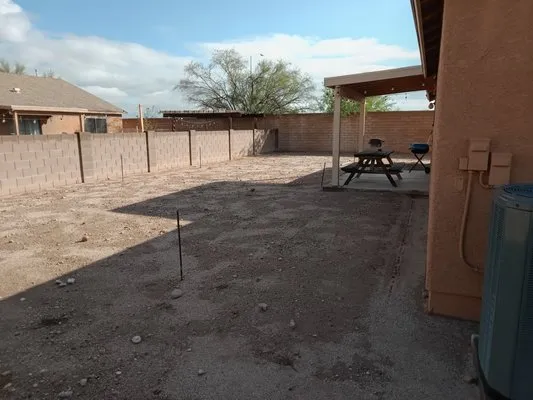
The Busy Beas is a full-service landscaping company serving Tucson, AZ, specializing in comprehensive outdoor solutions from design to maintenance. We address common local challenges like hard soil co...

Jackpot Landscaping is a Tucson-based company specializing in tree services, artificial turf, and comprehensive landscaping solutions. We help local homeowners and businesses maintain beautiful, funct...
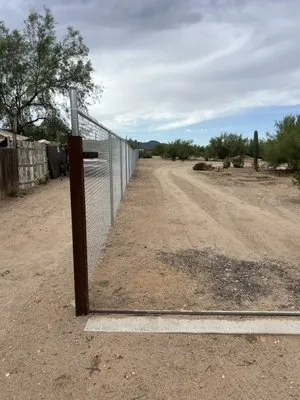
Yard Smart Landscape
Yard Smart Landscape is a Tucson-based company specializing in transforming residential and commercial outdoor spaces. With a focus on practical design and reliable maintenance, they help clients navi...
EZKonstruction is a licensed, bonded, and insured general contractor serving Tucson and surrounding areas with over 15 years of hands-on experience. Our team of professionals specializes in residentia...
T & V Landscape and Irrigation Junk Removal
T & V Landscape and Irrigation Junk Removal is a Tucson-based company providing comprehensive outdoor solutions for local homeowners. Specializing in landscaping, irrigation, and junk removal, they ad...
M & M Landscaping is your trusted local partner in Tucson for keeping your outdoor space healthy and vibrant. We understand the unique challenges Tucson homeowners face, from dry lawn patches to broke...

Competitive Landscape Services provides professional landscaping solutions tailored to Tucson's unique desert environment. A common local challenge is dealing with sprinkler coverage gaps and mulch th...
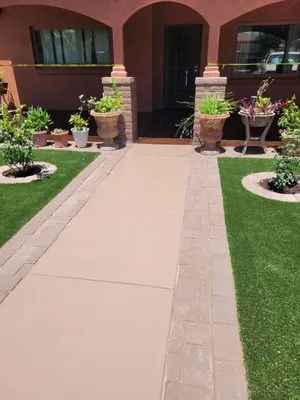
Machado Brothers is a family-owned and operated business serving Tucson, AZ, with comprehensive home improvement and property care services. Specializing in flooring, painting, and landscaping, we bri...
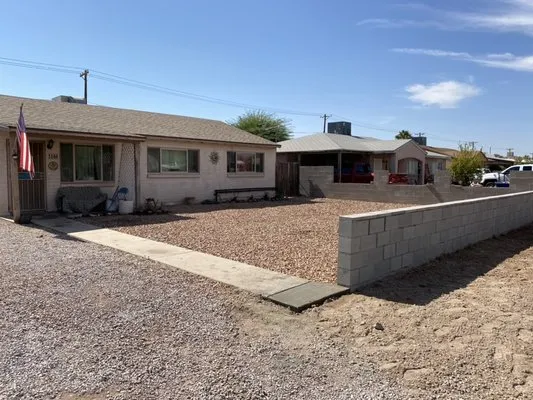
Desert Wood Landscaping serves Tucson homeowners with comprehensive tree care, lawn services, and junk removal. Our focus is on solving common local landscaping challenges, such as overwatering and su...
Estimated Landscaping Service Costs in Valencia West, AZ
Q&A
How quickly can you respond to an HOA violation notice for overgrown vegetation?
Emergency cleanup crews dispatch from the Valencia Library area via I-19, arriving within 25-35 minutes during peak hours. This route minimizes travel delays while allowing equipment transport for immediate vegetation management. Crews prioritize safety protocols and communication with property owners upon arrival. Response times account for current traffic patterns and seasonal demand fluctuations.
What permits and licenses are required for significant landscaping changes?
Grading or drainage modifications on 0.35-acre Valencia West properties require permits from Pima County Development Services to ensure compliance with runoff management standards. Contractors must hold current Arizona Registrar of Contractors licensing for earthwork exceeding 12 inches of elevation change. Unlicensed grading can result in fines and mandatory restoration orders. Professional documentation of soil compaction and permeability testing satisfies most permit requirements.
Is crushed granite or wood better for patio surfaces in our climate?
Crushed granite offers superior longevity in Valencia West's alkaline soil conditions, with 15-20 year lifespan compared to wood's 5-7 years. This permeable material reduces heat island effect and meets Moderate Fire Wise rating requirements for defensible space around structures. Properly compacted and edged crushed granite installations require minimal maintenance and resist weed penetration. The material's natural drainage properties prevent water accumulation during heavy rains.
What solutions address pooling water and runoff issues in my yard?
Alkaline sandy loam soils in Valencia West often develop caliche layers that create impermeable barriers, causing high runoff during monsoon seasons. Installing French drains or dry wells with permeable crushed granite surfaces improves water infiltration rates. These systems must meet Pima County Development Services runoff standards for 0.35-acre lots. Proper grading away from foundations prevents structural damage and erosion.
What are the benefits of replacing traditional turf with native plants?
Transitioning from high-maintenance turf to Desert Marigold, Brittlebush, and Ocotillo reduces water consumption by 60-80% and eliminates weekly mowing. Native plantings support local pollinators and require minimal fertilization, aligning with evolving noise ordinances that may restrict gas-powered equipment. These drought-tolerant species establish deep root systems that stabilize soil and improve permeability. Xeriscaping with Parry's Agave and Velvet Mesquite creates fire-resistant landscaping in WUI Zone 2 areas.
How do I maintain healthy turf while complying with Stage 2 water restrictions?
Wi-Fi ET-based weather sensing irrigation systems adjust watering schedules using real-time evapotranspiration data from local weather stations. These systems reduce TifTuf Bermuda water usage by 20-30% compared to traditional timers while maintaining turf health. Programming deep, infrequent watering cycles during early morning hours minimizes evaporation loss. Regular system audits ensure proper coverage and prevent runoff violations.
Why does my Valencia West lawn struggle despite regular watering and fertilizing?
Valencia West lots built around 2006 have 20-year-old alkaline sandy loam soil with pH 8.1 that has become compacted and nutrient-depleted. This soil type naturally restricts water penetration and root development, particularly for turf like TifTuf Bermuda. Core aeration with organic amendments such as composted manure or peat moss improves soil structure and microbial activity. Regular soil testing every 2-3 years helps monitor pH levels and nutrient availability.
How should I handle invasive species without using restricted chemicals?
Common invasive alerts include buffelgrass and fountain grass, which compete with native vegetation and increase fire risk. Manual removal during early growth stages proves most effective, followed by solarization with clear plastic sheeting. Low-nitrogen organic fertilizers applied outside peak growing seasons support desirable plant health without violating local BMP guidelines. Regular monitoring prevents re-establishment while maintaining soil microbial balance.
