Top Landscaping Services in South Tucson, AZ, 85713 | Compare & Call
There are 237 landscaping companies server in South Tucson AZ

Eco-Landscaping in Tucson, AZ provides comprehensive tree services, landscaping, and demolition solutions tailored to the unique desert environment. Specializing in everything from tree removal and pr...

Tucson A1 Landscaping & Design is a full-service landscaping company serving Tucson, AZ, and surrounding areas. We specialize in creating and maintaining beautiful, sustainable outdoor spaces that thr...
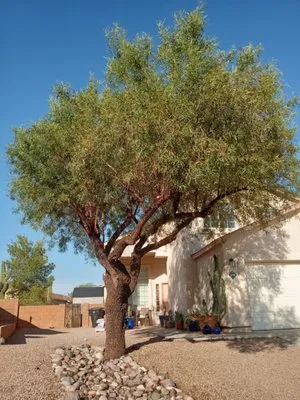
GP Landscaping is your trusted, full-service home improvement partner in Tucson, AZ, specializing in landscaping, masonry, painting, and drywall. We understand the unique challenges Tucson homeowners ...
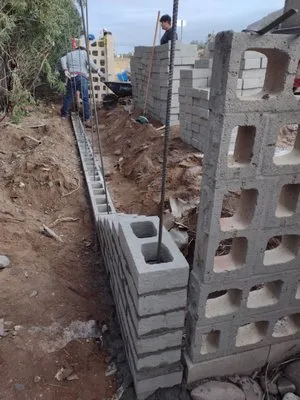
Kino Landscape & Construction is a licensed, bonded, and insured (ROC #353255) contractor serving Tucson and surrounding communities like Oro Valley, Sahuarita, and Vail. We specialize in transforming...
For over nine years, Ortiz Construction has been a trusted, family-owned name serving Tucson homeowners. With a combined 25 years of experience in residential construction, we bring a practical, hands...
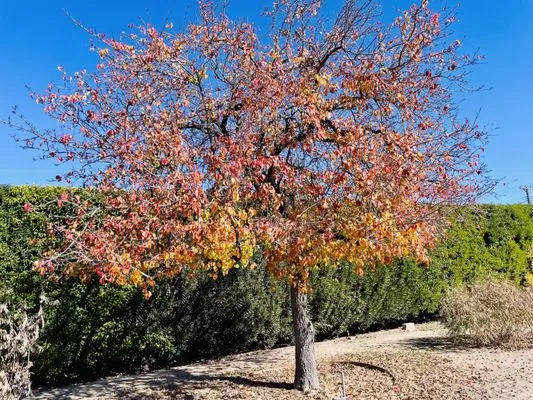
Green Leaf Tree Service is a Tucson-based, full-service landscaping and tree care company dedicated to solving the unique challenges of desert and suburban yards. We specialize in diagnosing and corre...
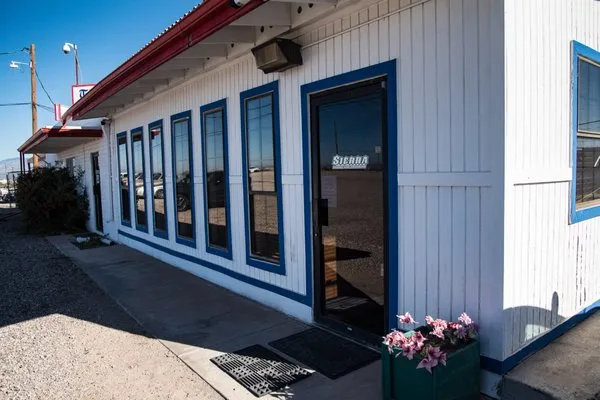
Sierra Mining and Crushing is a locally owned and operated recycling center in Tucson, AZ, established in 1998. We specialize in sourcing and processing landscaping materials like sand, gravel, decora...
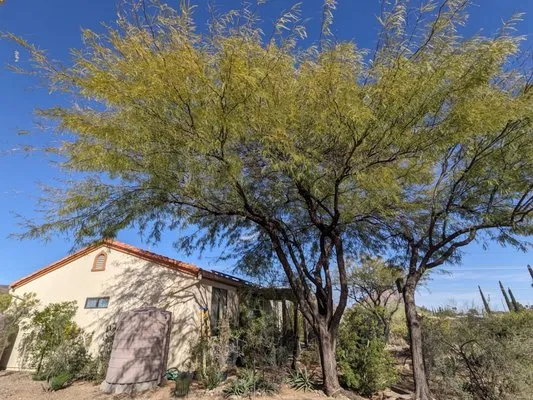
Munoz landscaping
Munoz Landscaping is a full-service Tucson company helping homeowners create and maintain beautiful, resilient outdoor spaces. We specialize in the unique challenges of the Sonoran Desert, from sun-sc...
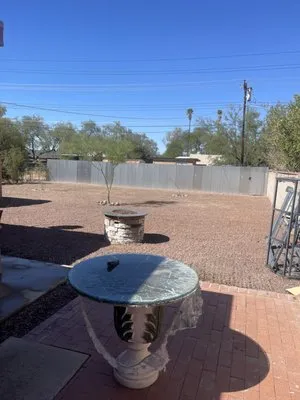
RG Landscape is your trusted, local landscaping partner in Tucson, AZ, specializing in keeping outdoor spaces beautiful and resilient in our unique desert climate. We provide comprehensive landscape m...
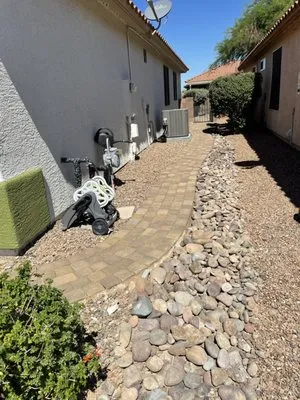
Arizona Sunset Landscaping is your local Tucson partner for creating and maintaining beautiful, resilient outdoor spaces. We specialize in a comprehensive range of services from landscape design and i...
Estimated Landscaping Service Costs in South Tucson, AZ
Frequently Asked Questions
Is decomposed granite a good choice for patios and paths here?
Stabilized crushed decomposed granite is an optimal, long-lasting material for South Tucson. It provides a permeable, low-dust surface that withstands heat and foot traffic far better than wood, which degrades rapidly in the arid sun. Its light color reduces heat island effect, and its non-combustible nature contributes to defensible space, supporting your property's Moderate Fire Wise rating in WUI Zone 2 by creating a fuel-break around structures.
Do I need a permit to regrade my 0.15-acre lot, and what kind of contractor should I hire?
Any significant regrading that alters drainage patterns or involves substantial earthmoving on a 0.15-acre lot typically requires a review and permit from the City of South Tucson Planning & Development. This ensures compliance with flood control ordinances. You must hire a landscaper licensed by the Arizona Registrar of Contractors. Their licensing bond and insurance protect you, and it is illegal for an unlicensed individual to perform such contracted work exceeding $1,000 in value.
My yard floods during monsoons but the soil stays dry. What's wrong?
This is a classic symptom of high runoff from caliche compaction in Calcareous Sandy Loam. Water cannot percolate through the hardened subsurface layer, causing rapid sheet flow and erosion. The solution involves breaking up this layer via deep tilling or vertical mulching. For hardscape areas, using stabilized, crushed decomposed granite instead of impervious surfaces increases permeability and helps meet City of South Tucson Planning & Development standards for stormwater management.
Why does my yard in the South Tucson Residential District feel so hard and dry compared to newer areas?
Homes here, averaging 64 years old since 1962, have soil that has matured under intense sun with minimal organic input. The native Calcareous Sandy Loam, with its high pH of 7.9-8.2, becomes heavily compacted and forms an impermeable layer of caliche. This prevents water infiltration and root growth. To restore function, we recommend core aeration in early spring followed by incorporating a low-nitrogen, acidic compost to gradually improve soil structure and biology.
How quickly can a crew respond for an HOA violation notice requiring immediate cleanup?
For an emergency compliance situation, a dispatched crew can typically arrive within the 20-30 minute peak storm response window. Our standard route originates from staging near the El Pueblo Neighborhood Center, utilizing I-10 for rapid access to the South Tucson Residential District. This efficiency allows us to address overgrown vegetation or debris before fines are levied, and we operate with electric equipment to comply with noise ordinances at any hour.
What invasive weeds should I watch for, and how do I treat them safely?
Buffelgrass and fountain grass are primary invasive species alerts due to their high fuel load and threat to native ecosystems. Manual removal is most effective for small infestations. For larger areas, a targeted glyphosate application is necessary, but it must be planned carefully. Treatments must avoid any runoff toward storm drains to comply with the Pima County Stormwater Management Ordinance, which prohibits phosphorus applications and regulates herbicide use near drainage infrastructure.
Is it possible to keep my TifTuf Bermuda green under Stage 1 water restrictions?
Yes, using Wi-Fi ET-based weather sensing controllers is the definitive method for conservation. These systems automatically adjust runtime based on real-time evapotranspiration data, applying water only when the turf needs it. This precise approach often uses less water than a fixed schedule while maintaining turf health. It is the most effective strategy for staying within voluntary municipal limits and preserving your lawn's density and color through the summer.
What's a low-maintenance alternative to grass that can handle the heat and new noise rules?
Transitioning to a xeriscape palette of regionally native plants like Desert Willow, Baja Fairy Duster, and Velvet Mesquite eliminates the need for frequent mowing and watering. These plants require no blowing, aligning with the 8 PM to 7 AM restriction on gas-powered equipment. This landscape builds biodiversity, supports pollinators, and creates a resilient, climate-adaptive yard that stays ahead of likely tightening water and maintenance ordinances.
