Top Landscaping Services in Shongopovi, AZ, 86043 | Compare & Call
There are 199 landscaping companies server in Shongopovi AZ

Conn Pest Control-Verde Valley
For over 50 years, Conn Pest Control has been a trusted name for residential, commercial, and new construction projects across Northern Arizona. Based in Cottonwood and serving the Verde Valley, our e...
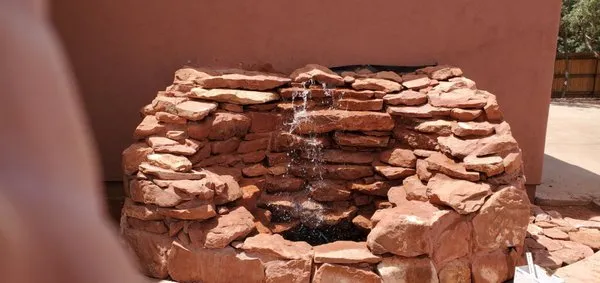
Founded as a family vision in 2016, Reliable Hauling LLC was established by a father with the hope that one of his children would one day continue the tradition. For over three years, we have served S...
Mingus Shadows Landscaping and Hardscaping
Mingus Shadows Landscaping & Hardscaping LLC is a family-owned business deeply rooted in Clarkdale and the Verde Valley. We understand the specific challenges of our high-desert terrain, where hard, r...
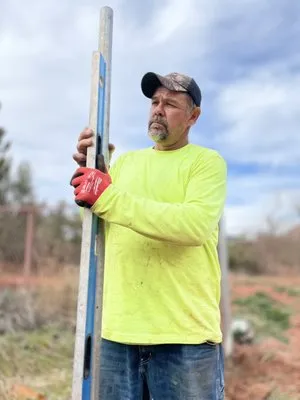
For over 25 years, Hometown Handyman's owner, Josh, has been solving problems for Cottonwood residents. His journey started early, rebuilding small engines at 13 under the guidance of his father and g...
Angelo's Landscape Maintenance in Cottonwood, AZ, is your local partner for a healthy and vibrant property. As a dedicated landscaper, I focus on taking the work off your shoulders, providing reliable...
Elemental Worx is a full-service landscaping company serving Cottonwood, AZ, dedicated to creating and maintaining beautiful, resilient outdoor spaces tailored to our unique desert climate. We special...
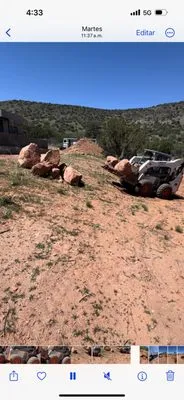
With over 25 years of hands-on experience in the Verde Valley, Landaverde Landscaping is a locally-owned and licensed business built from the ground up. Founder's journey began two decades ago, master...
A&J Landscaping Services is a veteran-owned, family-operated business built on decades of Cottonwood living and a deep-rooted connection to the Verde Valley. For 40 years, owner AJ has called this com...

For over 13 years, JR General Home Repair & Hardscape has been a trusted family-owned business serving Rimrock and the surrounding Verde Valley. Founded on a foundation of hands-on experience in home ...
CureAZ is a locally owned and operated business serving Cottonwood and the Verde Valley since 2022. Founded by a lifelong resident, we combine deep community knowledge with reliable service across jun...
Estimated Landscaping Service Costs in Shongopovi, AZ
Frequently Asked Questions
How can I keep my Blue Grama lawn alive under Stage 2 water restrictions?
Stage 2 mandates require precise water use. A drip irrigation system paired with solar-powered soil moisture sensors is the standard solution. This technology applies water directly to the root zone only when the ET rate indicates need, eliminating runoff and evaporation. This method can reduce Blue Grama's water requirement by up to 50% compared to traditional sprinklers, keeping you in compliance while maintaining turf health.
What permits do I need to regrade my half-acre property?
All significant land alteration in Shongopovi requires approval from the Hopi Tribe Land Office, which reviews for erosion control and cultural resource protection. The contractor must hold a valid Hopi Tribal Business License. For a 0.50-acre lot, grading work that modifies drainage patterns or involves cut-and-fill over 18 inches typically triggers this permit process, ensuring it complies with tribal environmental and land-use codes.
I need emergency storm debris cleared to meet HOA requirements. How quickly can a crew arrive?
For urgent compliance work, we dispatch from the Second Mesa Cultural Center. Taking AZ-87 allows our electric fleet, which complies with rural acoustic guidelines, to reach Shongopovi Village Center within the 60-90 minute window typical for this region. We prioritize flash flood sediment deposition cleanup, as this material can smother plants and hardscape if not removed promptly.
Why does my soil seem so hard and lifeless compared to older gardens I've seen?
Properties in Shongopovi Village Center developed around 1976 have soils that are now 50 years old. Over this time, alkaline Aridisols have become highly compacted from foot traffic and irrigation with mineral-heavy water, reducing permeability and organic matter. This creates a hardpan layer that restricts root growth and water infiltration. Core aeration and incorporating compost are essential to rebuild soil structure and support plant health in our 7a zone.
I'm tired of monthly mowing. What's a truly low-maintenance alternative?
Transitioning to a xeriscape with native plants like Four-wing Saltbush, Indian Ricegrass, Apache Plume, and Cliffrose eliminates routine mowing and blower use. This aligns with the shift toward quieter, electric maintenance equipment. These deep-rooted natives stabilize soil, require no supplemental fertilizer, and provide superior habitat, directly supporting 2026 biodiversity benchmarks for the Wildland-Urban Interface.
Is wood or stone better for a patio in this high-fire-risk area?
In a High Fire Wise rated zone, non-combustible materials are mandatory for defensible space. Crushed local sandstone and decomposed granite are superior to wood for longevity, fire resistance, and drainage. They also blend aesthetically with the native landscape. A properly installed stone patio requires no chemical treatments or sealing, aligning with the organic land management ethos and reducing long-term maintenance.
My property washes out during summer monsoons. What's a lasting fix?
Alkaline Aridisols in our area have low permeability, exacerbating flash flood erosion. The solution is to replace impermeable surfaces with permeable hardscapes like crushed local sandstone or decomposed granite. These materials allow water to percolate into the ground, reducing flow velocity and sediment deposition. Any regrading or channel installation for a 0.50-acre lot must be designed to meet Hopi Tribe Land Office runoff management standards.
What are the biggest weed threats here, and how do I deal with them organically?
Invasive species like Russian thistle and cheatgrass are primary alerts, exploiting disturbed Aridisols. Control requires manual removal or targeted organic herbicidal soap before they set seed, as the local organic-only fertilizer ordinance prohibits synthetic herbicides. Timing is critical; treatment must avoid the spring and late fall blackout dates for nitrogen applications to prevent nutrient runoff into the watershed.
