Top Landscaping Services in San Tan Valley, AZ, 85128 | Compare & Call

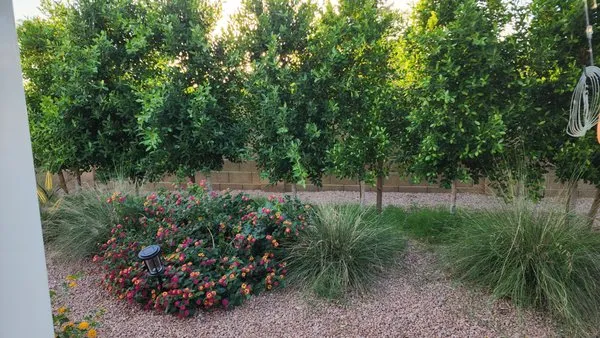
The Yard Experts
The Yard Experts was founded by licensed landscape contractors with a clear, simple mission: to deliver quality craftsmanship and reliable customer service for every yard in Arizona. We understand tha...
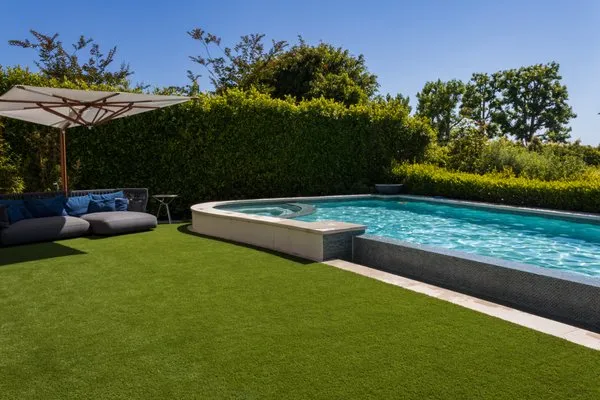
HavenHub is a full-service landscape architecture and construction firm proudly serving San Tan Valley, AZ. We specialize in transforming challenging outdoor spaces into beautiful, functional, and low...
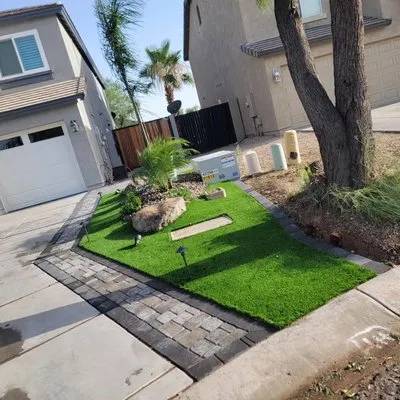
Las Perlas Landscaping
Las Perlas Landscaping is a family-owned San Tan Valley business founded in 2011 by a husband-and-wife team who bring over 15 years of professional landscaping experience from California. Rooted in th...
Cloud 9 Landscape was born on the dirt roads of Queen Creek, where a deep-rooted passion for planting—honed through generations of family foresters and early days fixing pipes—transformed into a dedic...
Majestic Hardscape & Landscape
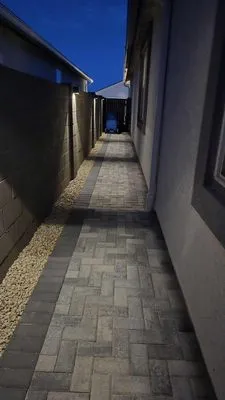
For over 15 years, Majestic Hardscape & Landscape Design LLC has been a trusted, family-owned business dedicated to enhancing outdoor living in San Tan Valley and Queen Creek. Owner Francisco brings a...

Nava's Landscaping is a trusted, locally-owned landscaping company serving San Tan Valley, AZ. We understand the unique challenges homeowners face here, from persistent weed growth in gravel and rock ...
Franciscan Landscape
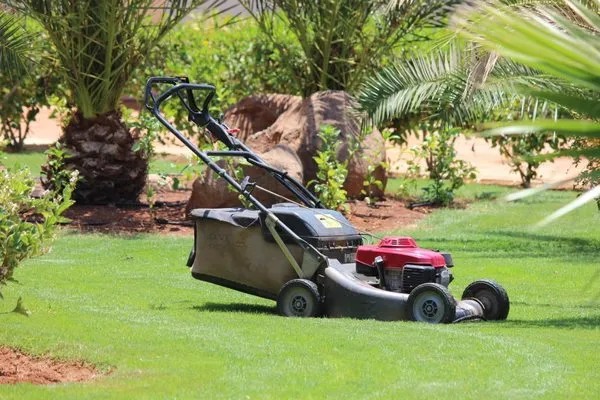
Franciscan Landscape brings decades of passion and expertise to San Tan Valley homeowners, transforming residential yards into vibrant, sustainable outdoor spaces. With a lifelong dedication that bega...
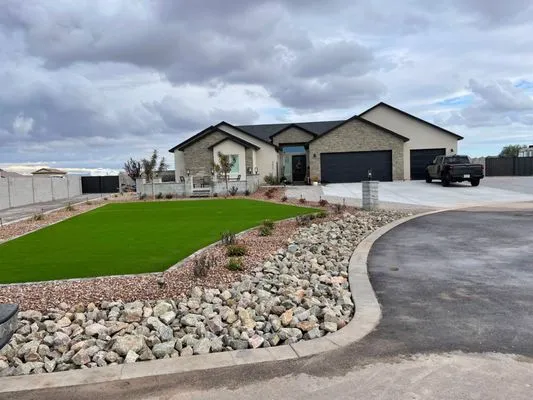
Saavedra Contracting is a San Tan Valley-based general contracting and landscaping company serving residential and commercial clients throughout the area. With expertise spanning demolition, construct...
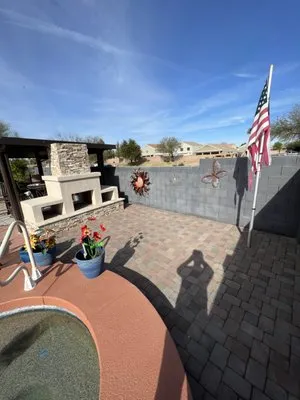
JG's Landscaping LLC has been serving San Tan Valley and surrounding areas since 2017, bringing over 15 years of combined experience to every project. We specialize in comprehensive landscaping soluti...
Accent Landscaping
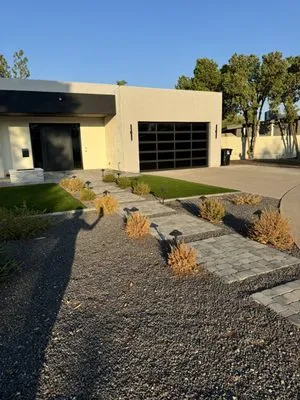
Accent Landscaping is a San Tan Valley-based design and construction firm specializing in comprehensive outdoor solutions for the local desert climate. We address the common challenges of desert soil ...
Question Answers
Should I replace some lawn with desert plants to reduce maintenance?
Transitioning high-water turf areas to Desert Marigold, Brittlebush, and Ocotillo reduces irrigation needs 70-90% while providing habitat for native pollinators. This xeriscaping approach anticipates future noise ordinance restrictions on gas-powered equipment by eliminating weekly mowing requirements. Velvet Mesquite trees offer natural cooling through transpiration while their deep taproots access subsurface moisture unavailable to turf grasses.
How do I control invasive buffelgrass without harming my landscape?
Buffelgrass identification requires careful distinction from native grasses during its March green-up period. Manual removal before seed set in late spring prevents spread while avoiding nitrogen fertilizer applications that could violate Best Management Practices timing restrictions. Spot treatments with glyphosate during dormant periods minimize impact on surrounding Desert Marigold and Brittlebush while preventing fuel load accumulation in WUI Zone 2 areas.
How quickly can you respond to an HOA violation notice for overgrown vegetation?
Emergency cleanup crews dispatch from San Tan Mountain Regional Park via State Route 79, reaching Johnson Ranch properties within 45-60 minutes during peak traffic. This response time accounts for loading specialized equipment for Tifway 419 Bermuda turf maintenance and desert-adapted plant management. Crews prioritize addressing visible violations from street view to achieve immediate compliance while scheduling follow-up soil assessment.
What permits and licenses are needed to regrade my backyard slope?
Grading work on 0.22-acre lots requires Arizona Registrar of Contractors licensing for earth moving and erosion control, with specific endorsements for caliche soil excavation. Pinal County Community Development issues permits for drainage alterations affecting more than 100 cubic yards of material movement. Professional licensing ensures compliance with Best Management Practices for sediment control during monsoon season and proper disposal of excavated caliche material.
Can I maintain green Bermuda grass while following Stage 1 water restrictions?
Wi-Fi ET-based weather sensing controllers optimize Tifway 419 Bermuda irrigation by calculating actual evapotranspiration rates rather than using fixed schedules. These systems reduce water use 25-40% while maintaining turf health by adjusting for daily temperature, humidity, and wind conditions. Programming separate zones for turf versus native plantings ensures each receives appropriate moisture levels within municipal conservation guidelines.
What's causing standing water near my foundation after monsoon rains?
Caliche layers in calcareous sandy loam create impermeable barriers that trap runoff, particularly problematic on 0.22-acre lots with limited drainage pathways. Installing permeable decomposed granite pathways improves surface permeability while French drains with gravel layers bypass compacted soil. Pinal County Community Development requires engineered drainage solutions that manage runoff without transferring problems to adjacent properties.
Why does my Johnson Ranch yard have such compacted soil that water just runs off?
San Tan Valley's calcareous sandy loam soil naturally compacts over time, especially in neighborhoods like Johnson Ranch where homes average 20 years old since 2006 construction. Soil maturity calculations show these lots have developed significant caliche layers that reduce permeability to 0.5 inches per hour. Core aeration with organic amendments like composted mesquite bark addresses pH 8.1 alkalinity while improving soil structure for better water infiltration.
Is decomposed granite better than wood decking for my backyard patio?
Desert Gold decomposed granite offers superior longevity in USDA Zone 9b conditions, resisting termite damage and UV degradation that plagues wood structures within 5-7 years. Its permeable surface meets Moderate Fire Wise rating requirements for defensible space by eliminating combustible materials within 30 feet of structures. The material's natural thermal properties reduce radiant heat accumulation compared to wood or concrete surfaces.
