Top Landscaping Services in Queen Creek, AZ, 85140 | Compare & Call

There are 219 landscaping companies server in Queen Creek AZ
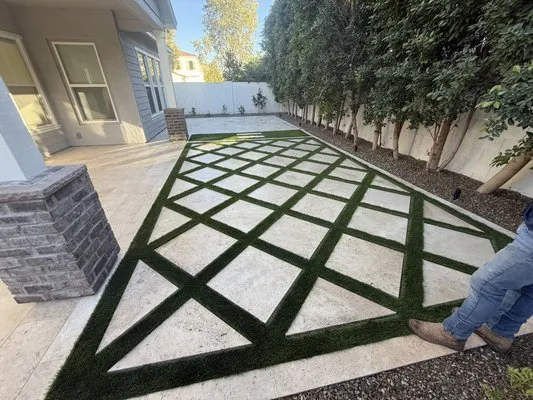
TFP Landscaping is a family-owned and operated Scottsdale business dedicated to creating and maintaining beautiful, functional outdoor spaces. We combine practical design with quality construction for...
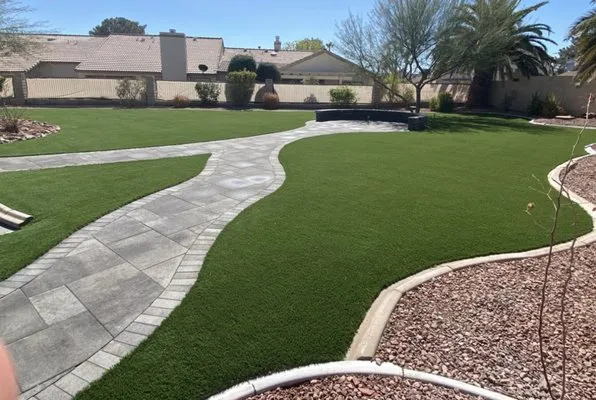
Rock N Block Turf N Hardscapes is a Phoenix-based landscaping company specializing in artificial turf, hardscaping, and comprehensive outdoor transformations. With over 3 million square feet of turf i...
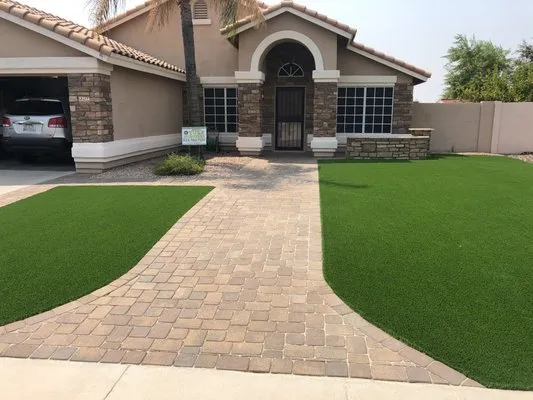
Turf Monsters is a local, family-owned landscaping company founded by Mike, who has been designing yards since 2007. With extensive experience across Southern California and the Phoenix metro area, Mi...
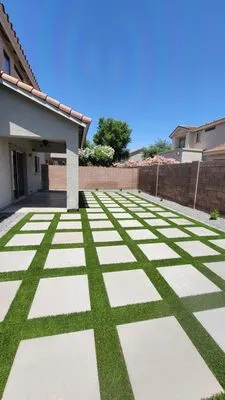
Albert's Landscaping, based in Chandler, AZ, is a locally-owned and operated landscaping service led by Alberto Ramirez, who brings over five years of professional experience to every project. Startin...
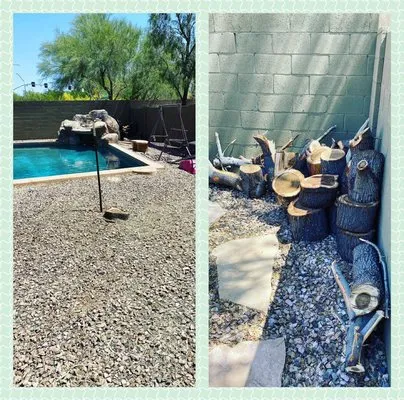
Arizona Landscaping Services in Phoenix, AZ is a dedicated local landscaping company serving the Phoenix community with comprehensive outdoor care solutions. We specialize in a wide range of services ...
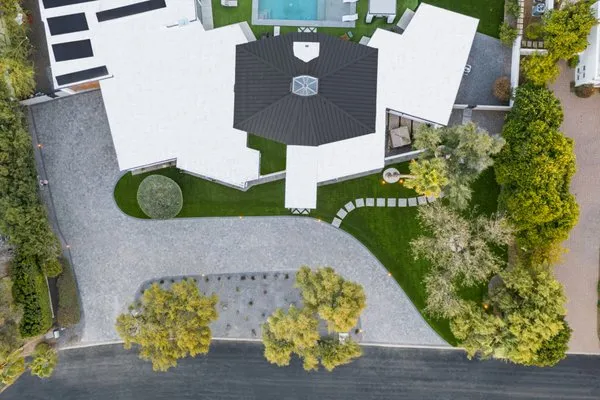
KO's Landscaping
KO's Landscaping, serving Glendale, AZ since 2010, is a locally owned and operated business founded by Eduardo Garcia. Starting at just 18 years old, Eduardo built the company through dedication and l...
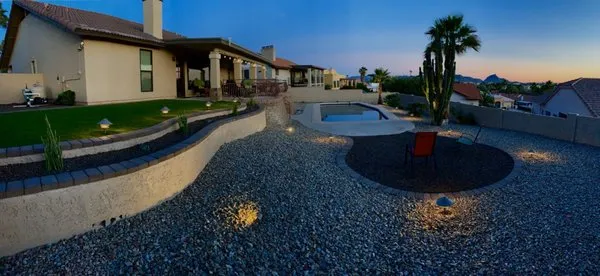
As a family-owned and operated landscape service, we are personally dedicated to enhancing your Phoenix home's outdoor beauty. With over 20 years of industry experience, we take a collaborative, one-o...
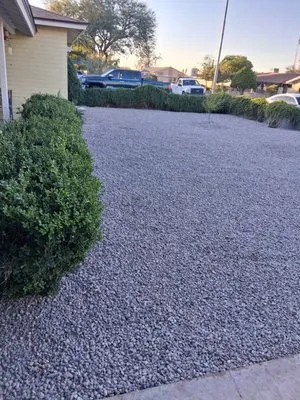
Geronimo Pacheco Landscaping is a licensed Phoenix company dedicated to building and caring for residential and commercial landscapes. We focus on creating functional, beautiful outdoor spaces that fi...
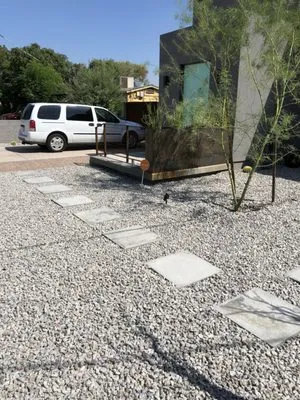
Reparo Landscaping is a family-owned and operated business serving Glendale, AZ, with a commitment to transforming outdoor spaces. Founded by Rosario, and now run with his son, we bring a deep, person...
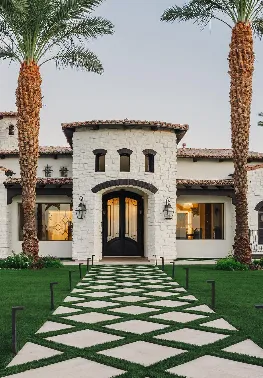
JNK Landscaping and Pools is a family-owned Gilbert business founded in 2015 by Arizona native Naji Warrayat. Named after his children Jaylen, Nasira, and Kyden, the company specializes in creating pe...
Estimated Landscaping Service Costs in Queen Creek, AZ
Common Questions
What permits and licenses are needed for regrading my 0.22-acre lot?
Grading work on Queen Creek properties requires permits from the Development Services Department and contractors licensed by the Arizona Registrar of Contractors. The 0.22-acre lot size triggers specific engineering requirements for drainage and slope stability. Licensed professionals must demonstrate competency in soil mechanics and local code compliance. Unpermitted grading can result in fines and complicate future property transactions.
How do I keep my TifTuf Bermuda healthy during Queen Creek's Stage 1 water restrictions?
Wi-Fi ET-based weather sensing controllers optimize irrigation by calculating evapotranspiration rates in real time. These systems adjust watering schedules based on temperature, humidity, and wind data from local weather stations. This technology maintains TifTuf Bermuda's health while reducing water use by 20-30% compared to traditional timers. Proper programming ensures compliance with voluntary conservation measures without sacrificing turf quality.
What invasive species should I watch for in my Queen Creek landscape?
Buffelgrass and fountain grass pose significant threats in Queen Creek's moderate Firewise zones. These invasive species outcompete natives and increase fire risk. Treatment involves careful herbicide application during active growth periods, avoiding nitrogen fertilizer blackout dates specified in local Best Management Practices. Manual removal before seed set complements chemical control for sustainable management.
Should I replace some lawn with native plants to reduce maintenance?
Transitioning from high-maintenance turf to native species like desert willow, brittlebush, and ocotillo significantly reduces water and chemical inputs. These plants are adapted to Queen Creek's USDA Zone 9b conditions and require minimal irrigation once established. This approach aligns with evolving noise ordinances that may restrict gas-powered equipment. Native plantings also support local pollinators and require less frequent maintenance cycles.
What's causing water to pool in my yard after monsoon rains?
High runoff in Queen Creek results from calcareous sandy loam's tendency to form impermeable sodic crusts. This soil type has poor infiltration rates when compacted. Using decomposed granite (minus-1/4 inch) for permeable hardscapes can improve drainage while meeting Queen Creek Development Services Department runoff standards. Strategic grading and soil amendments further enhance water movement through the profile.
How quickly can you respond to an HOA violation notice for overgrown vegetation?
Emergency cleanup crews can typically reach Town Center properties within 25-35 minutes during peak hours. The dispatch route from Queen Creek Botanical Gardens uses State Route 24 for efficient access. This response time accommodates urgent HOA compliance needs while accounting for traffic patterns. Crews prioritize safety equipment and proper documentation during such visits.
Why does my Queen Creek soil feel so compacted and alkaline?
Queen Creek's Town Center neighborhood has calcareous sandy loam soil with a pH of 8.1, typical of newer developments built around 2010. With 16 years of soil maturity since construction, compaction from grading and irrigation has reduced permeability. This soil type tends to form a sodic crust that restricts root growth and water infiltration. Core aeration with organic amendments like composted manure can improve soil structure and microbial activity.
Is decomposed granite better than wood for patio surfaces in Queen Creek?
Decomposed granite offers superior longevity and fire resistance compared to wood in Queen Creek's climate. Its mineral composition withstands UV degradation and temperature extremes better than organic materials. For properties in moderate Firewise zones, decomposed granite provides defensible space without combustible elements. The minus-1/4 inch fraction compacts well for stable walking surfaces while maintaining some permeability.
